
Yukon Winter Photography
Experience the wildlife, landscapes, and northern lights of Canada’s north.
March 25-31 2027 - sold out
What makes this tour special?
-
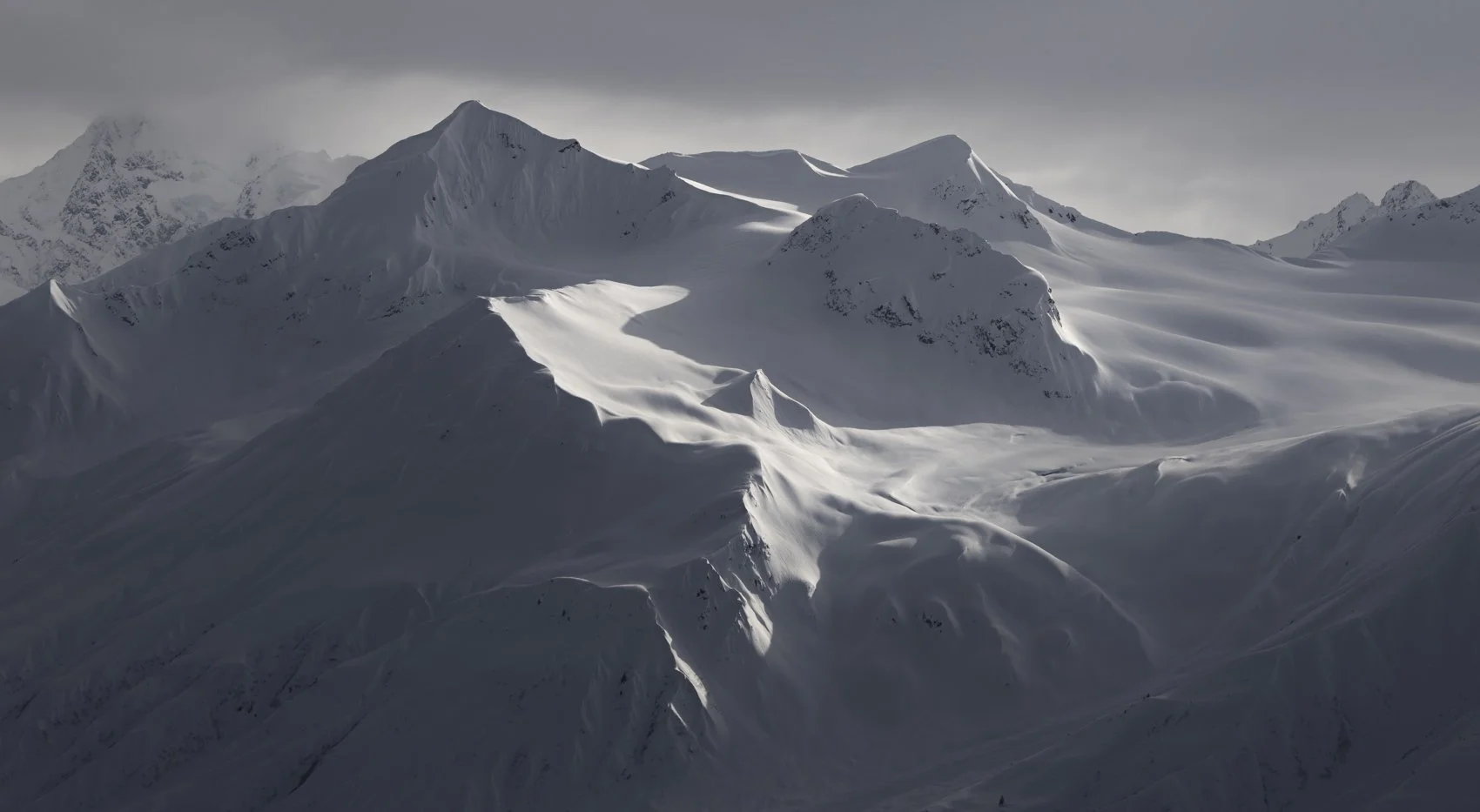
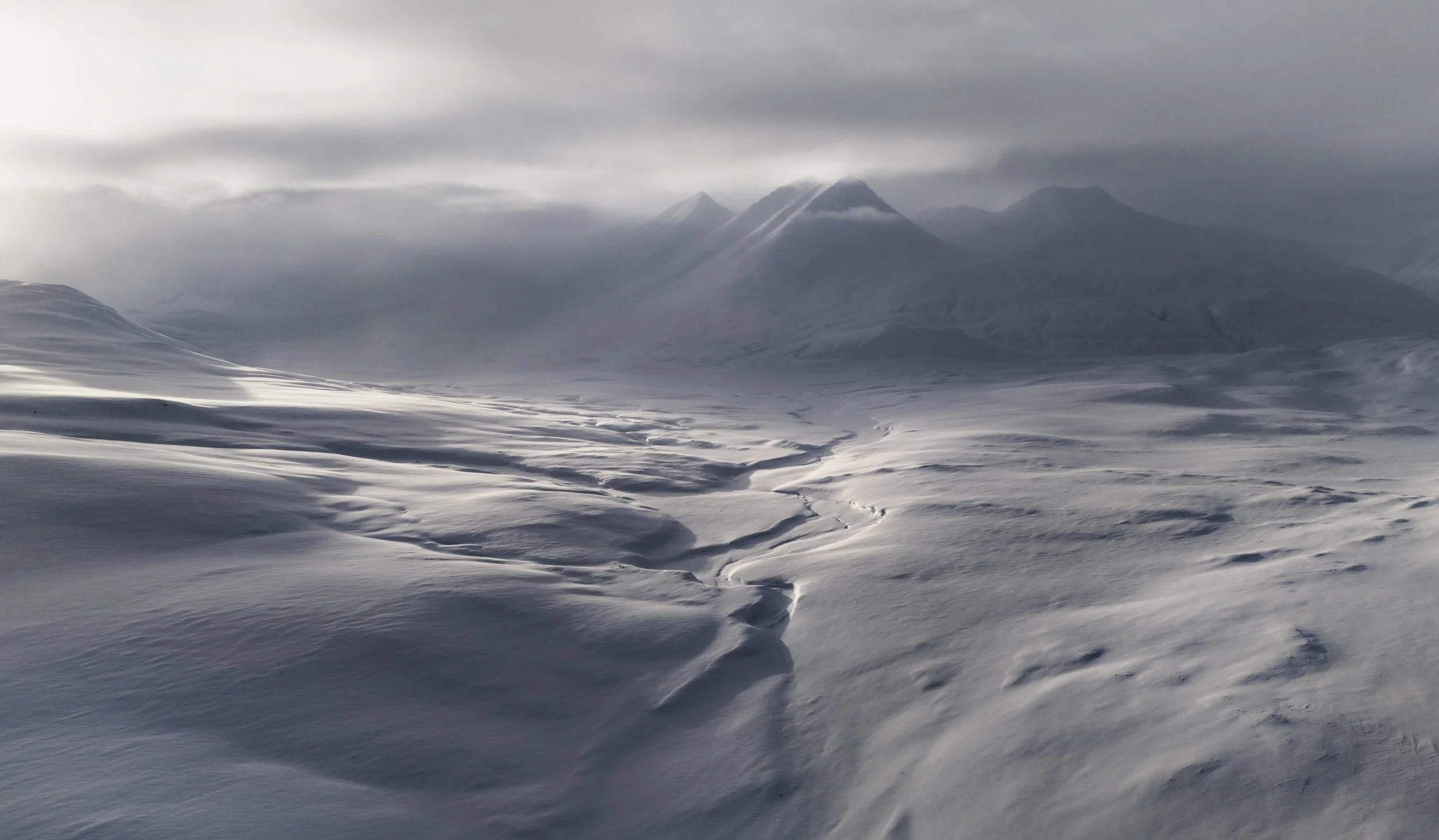
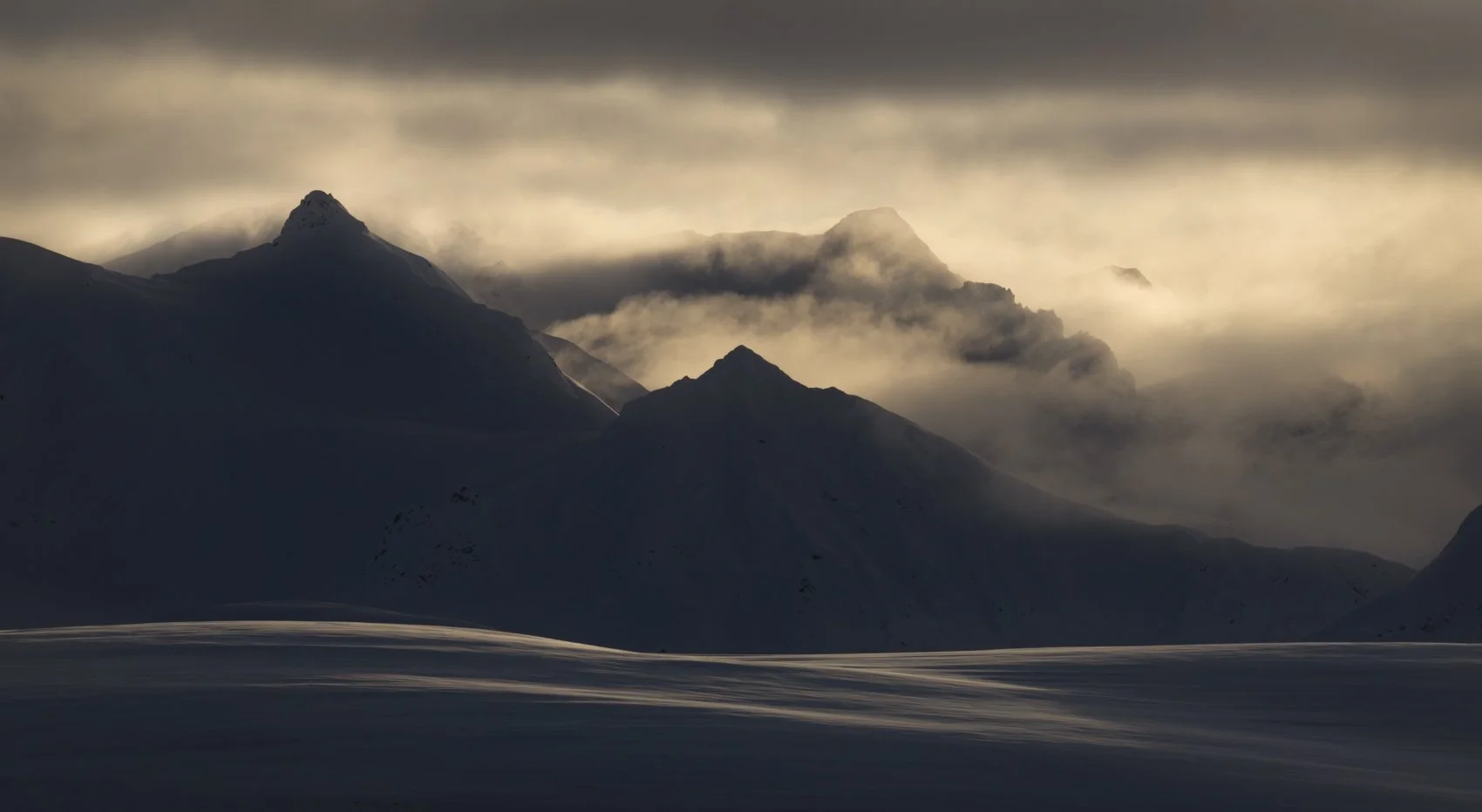
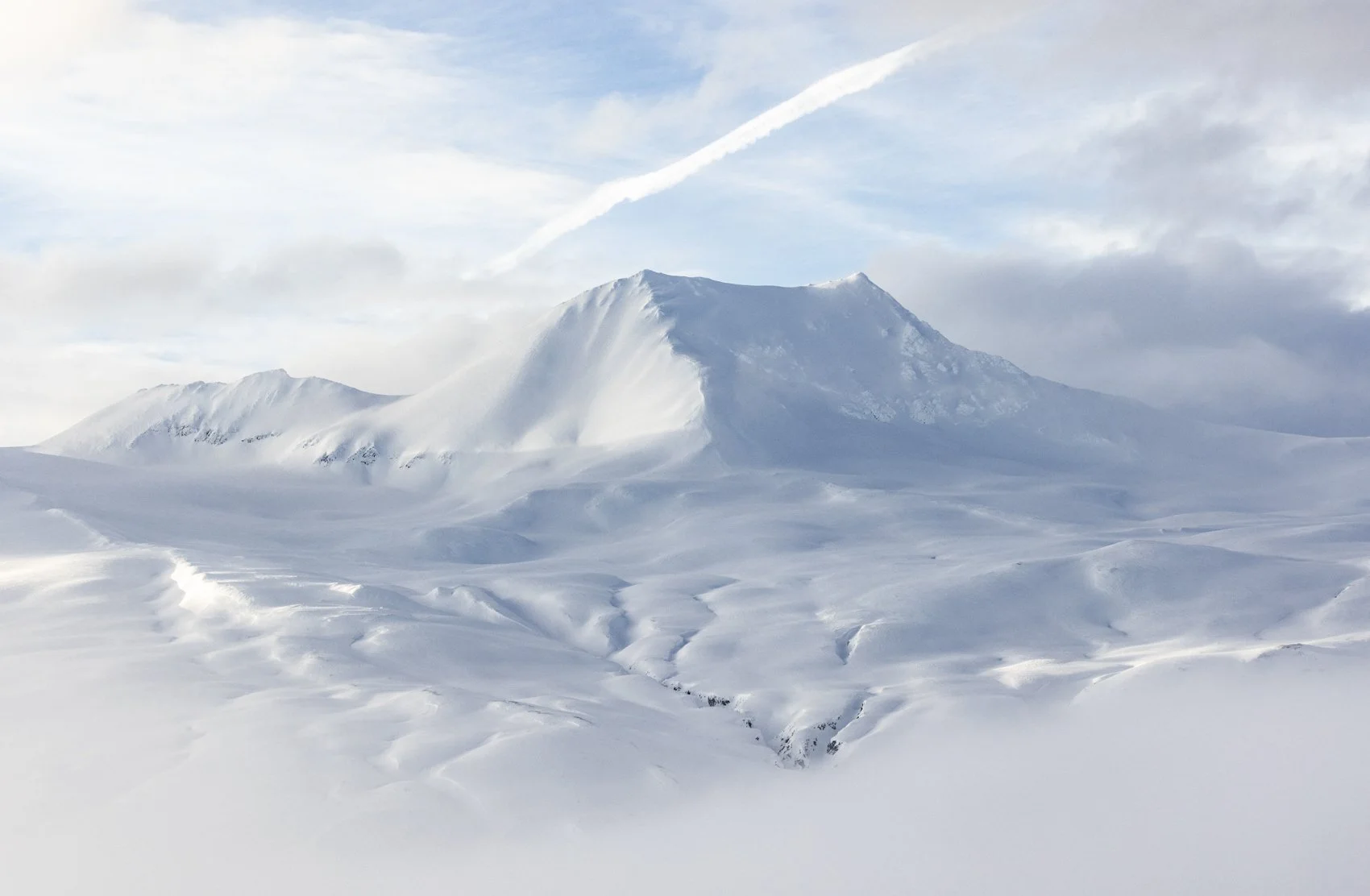
Breathtaking landscapes and unique photographic compositions all around
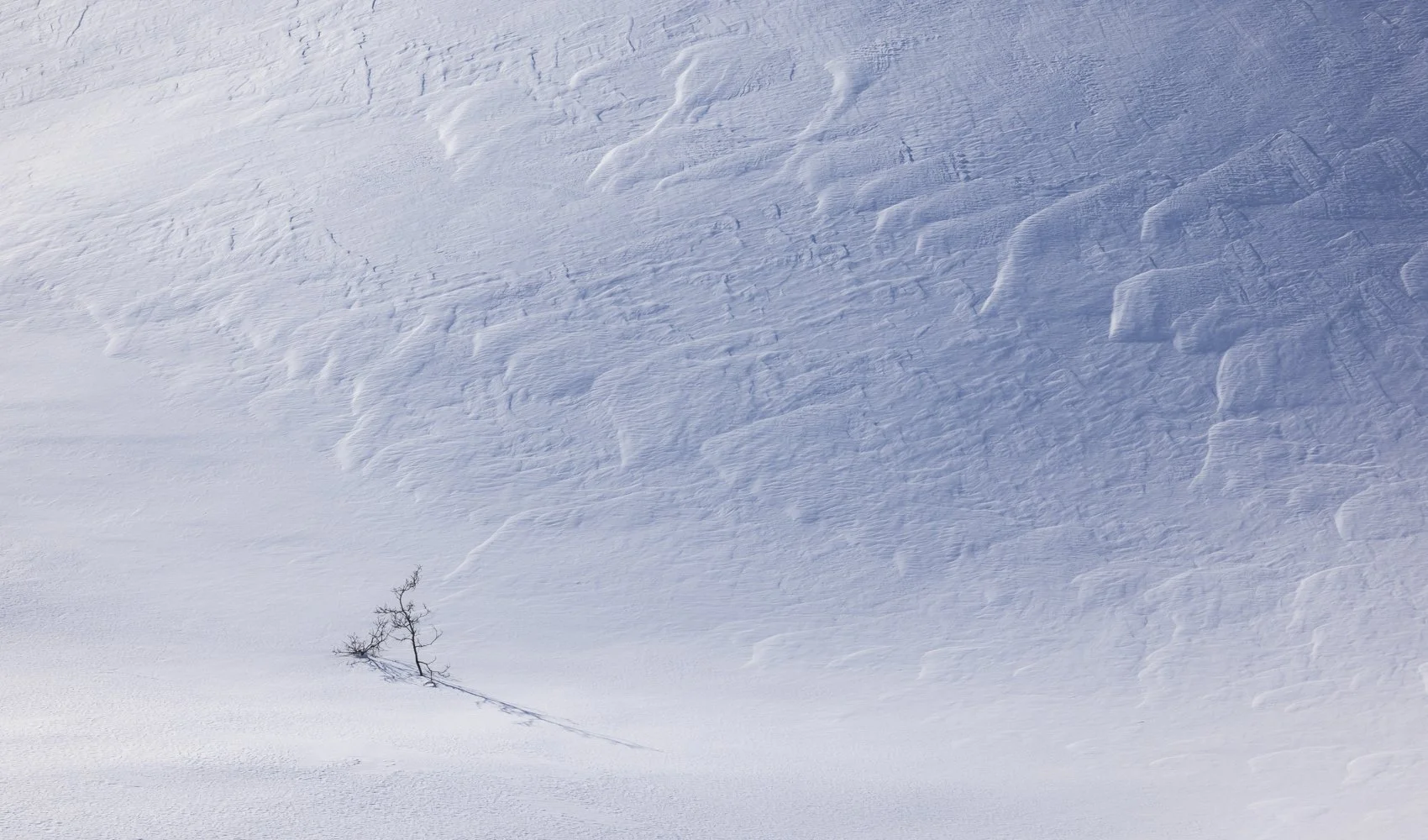
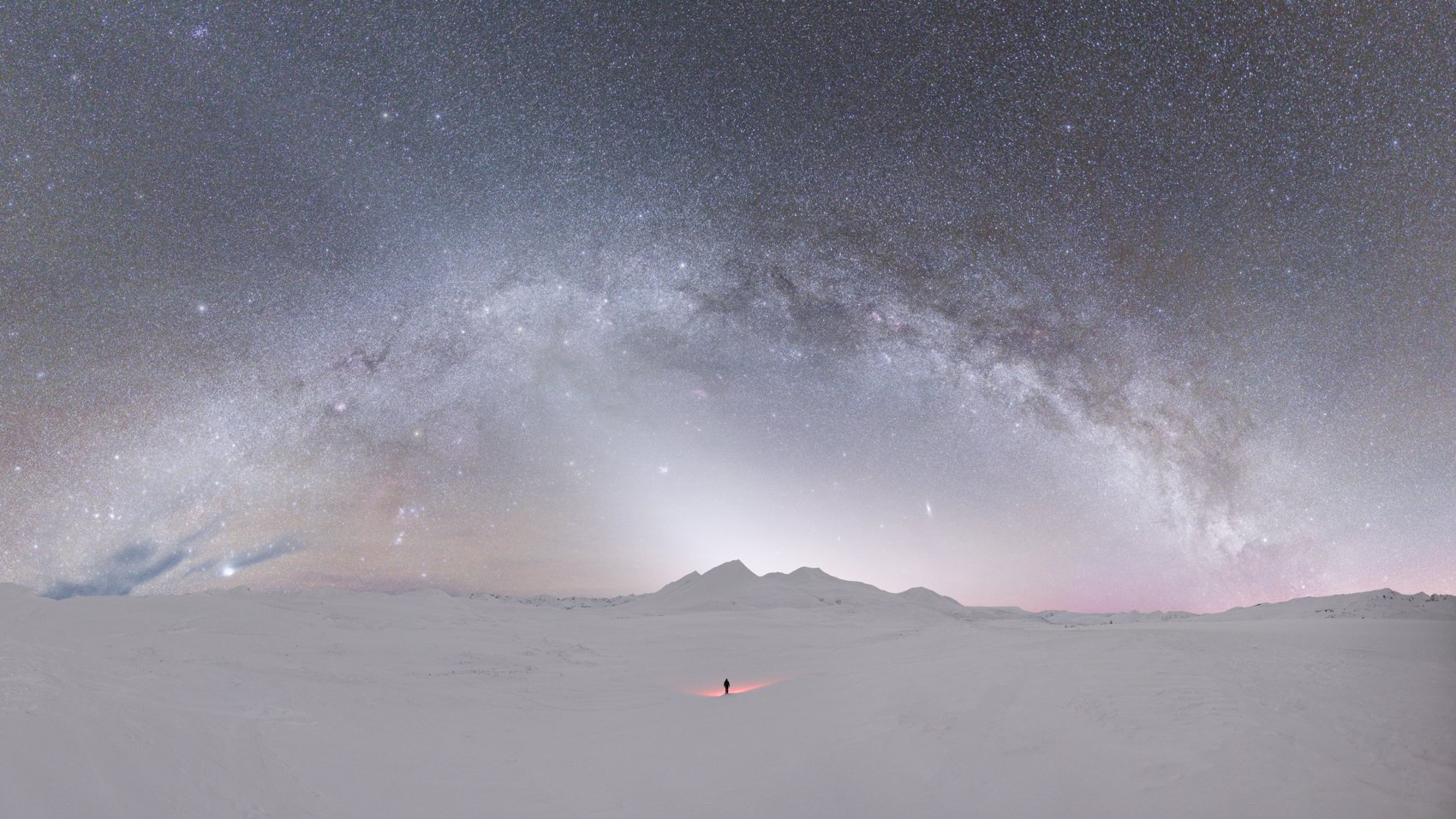
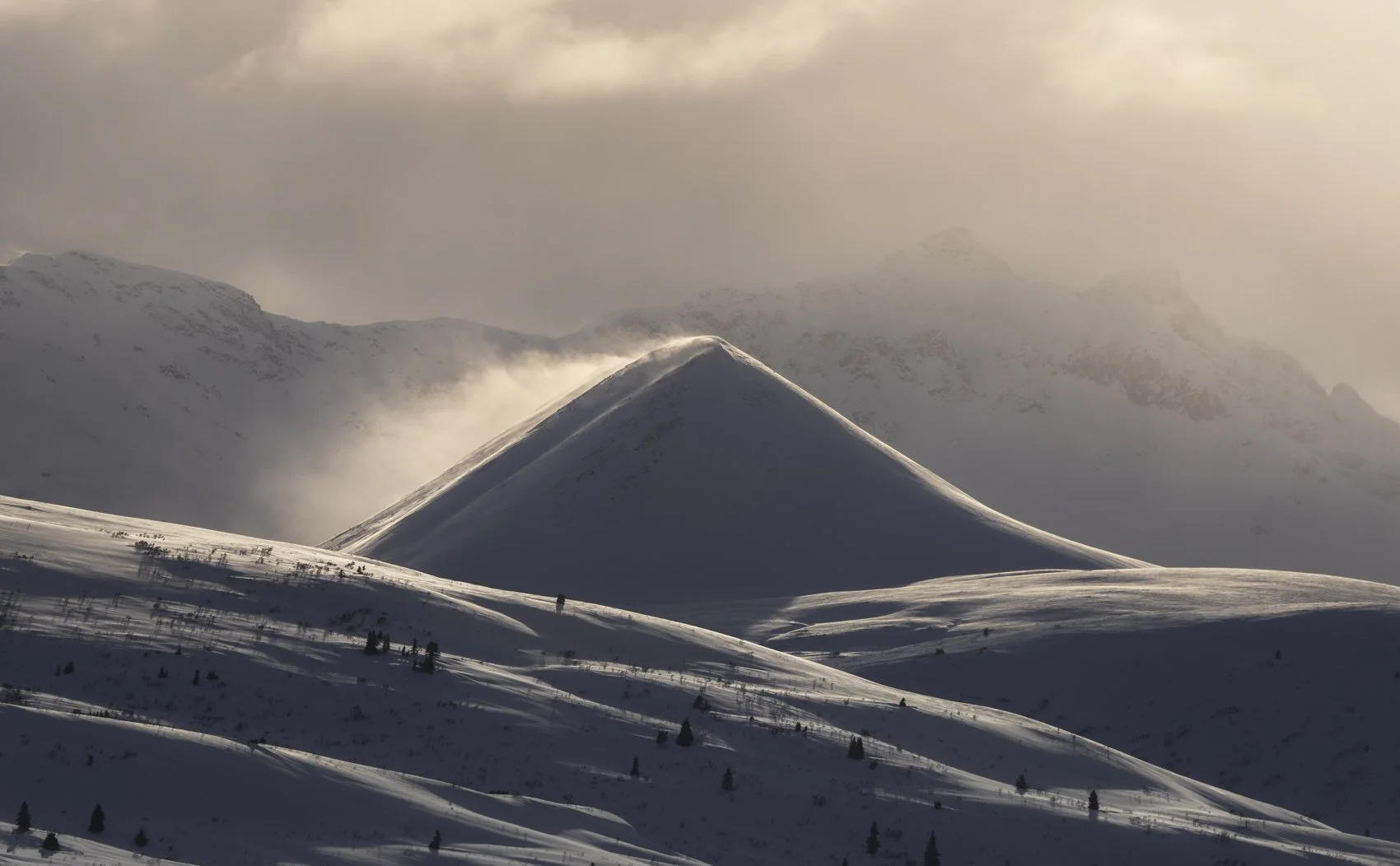
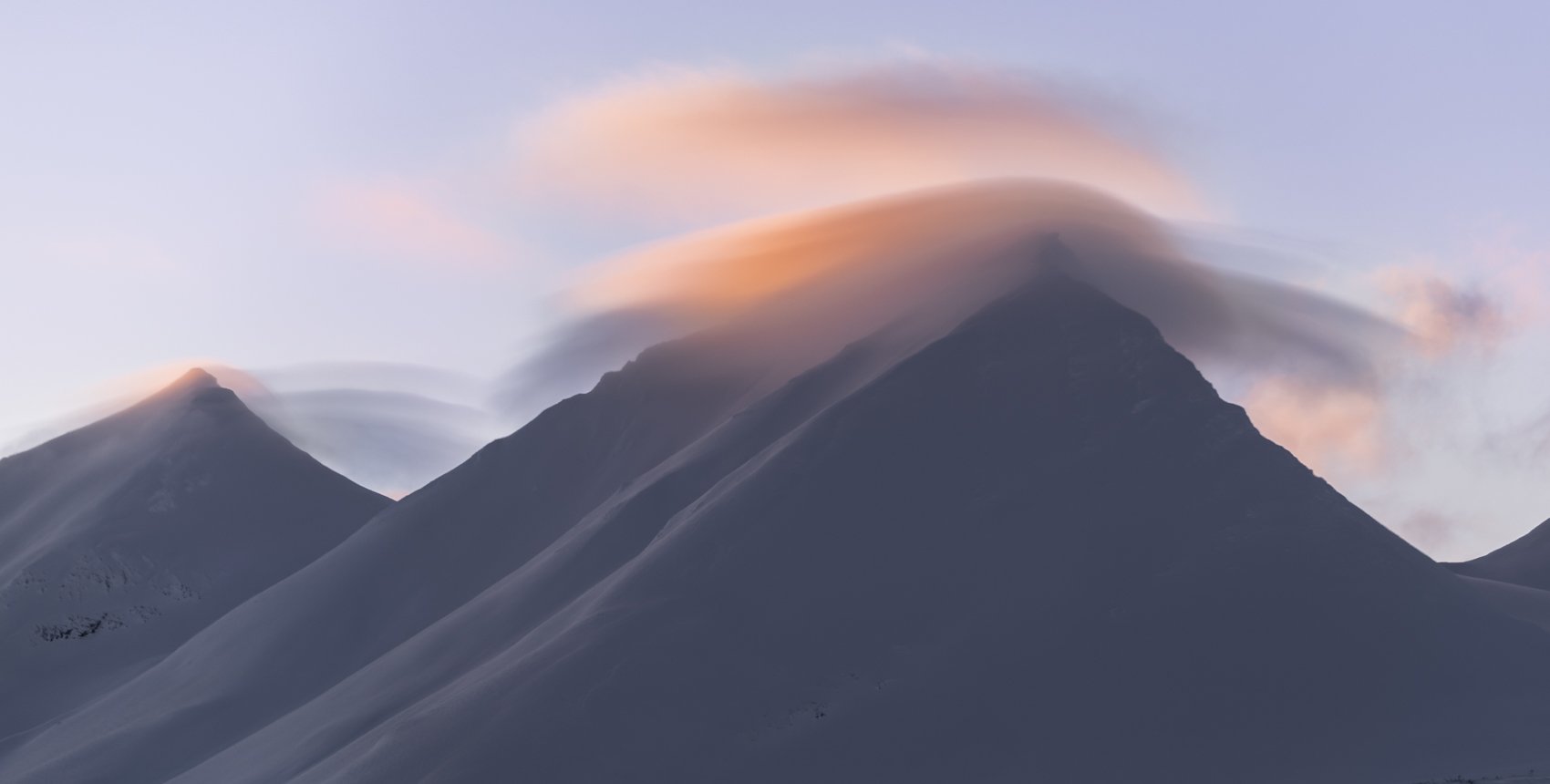
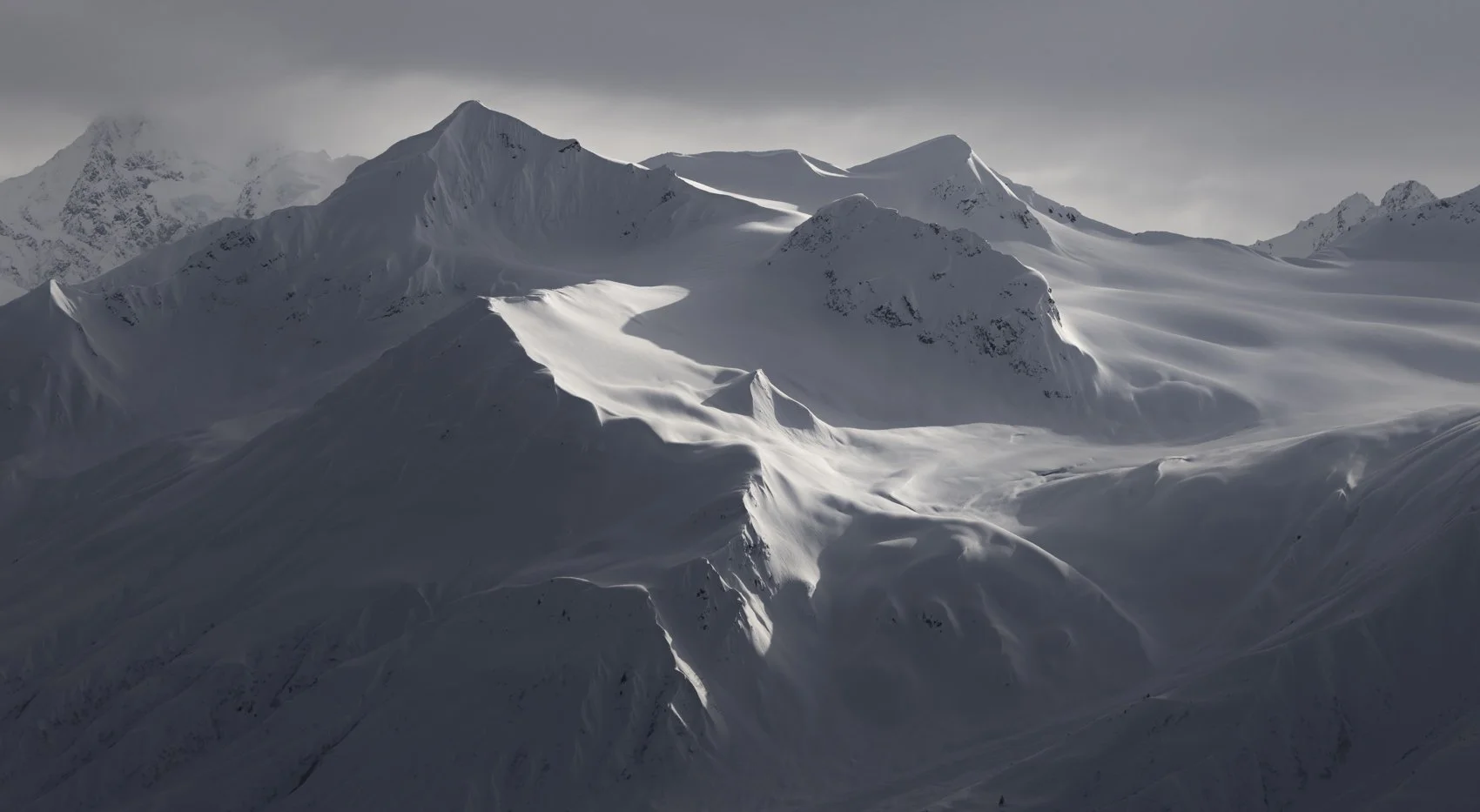
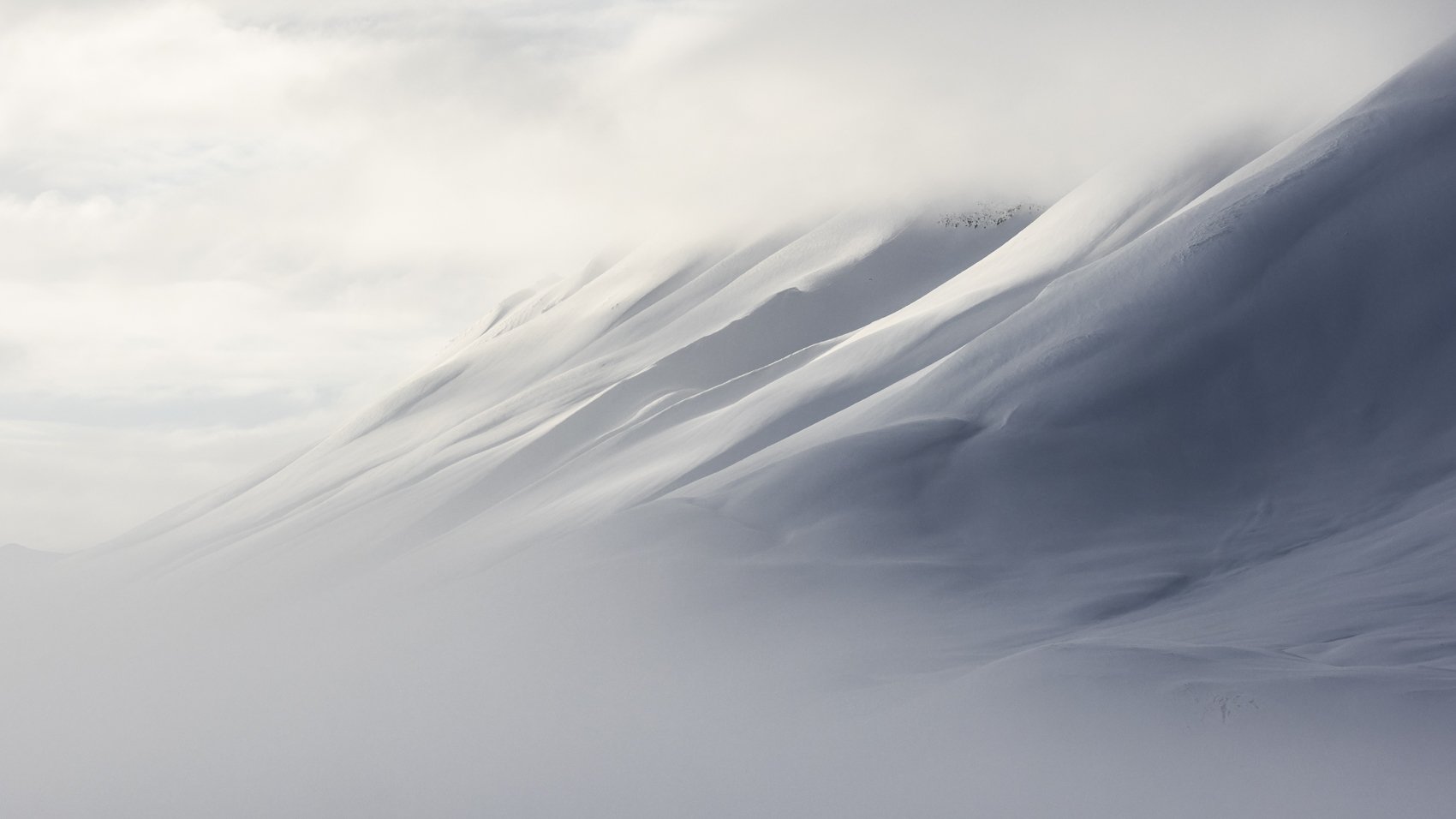
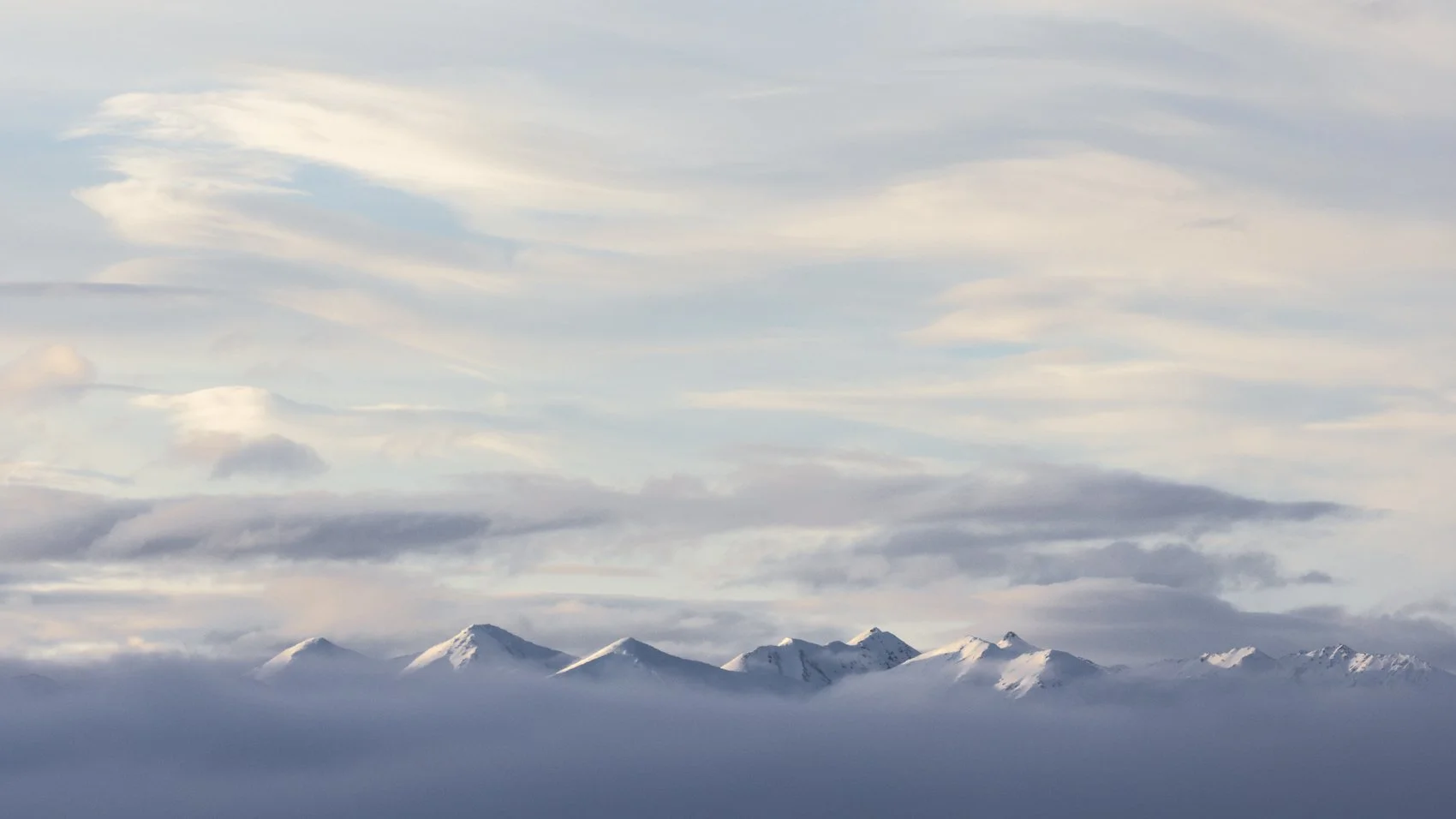
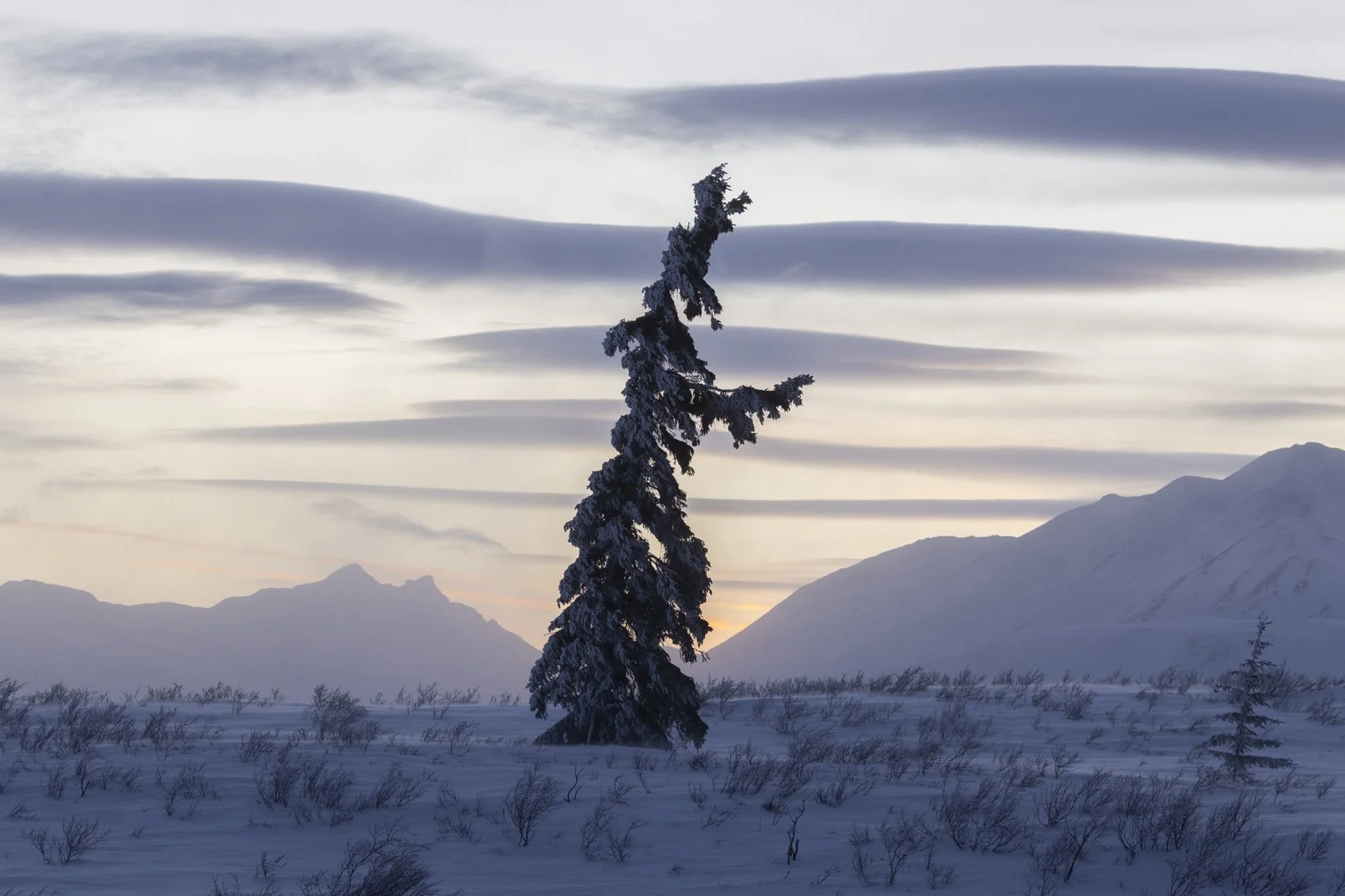
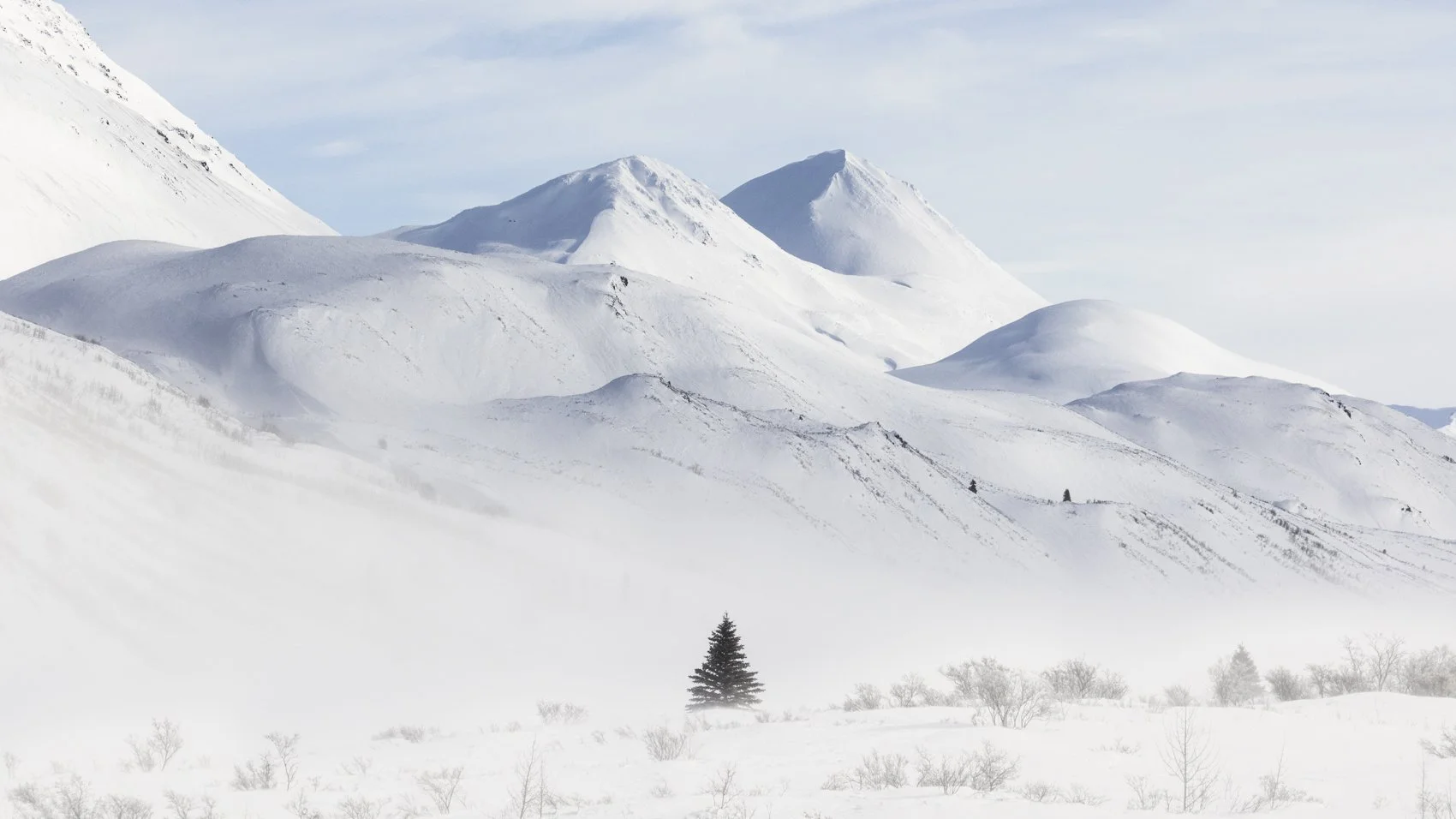
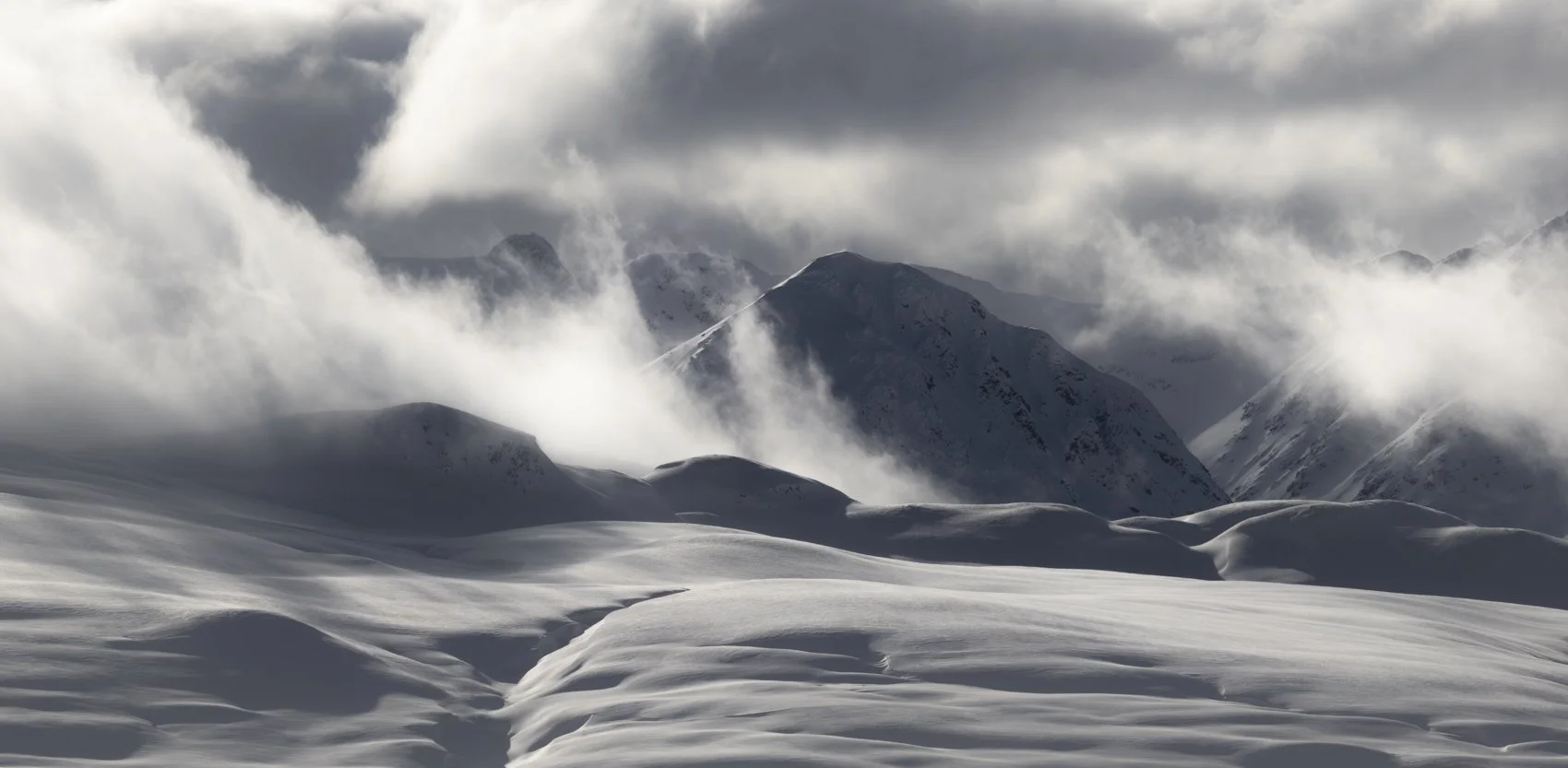
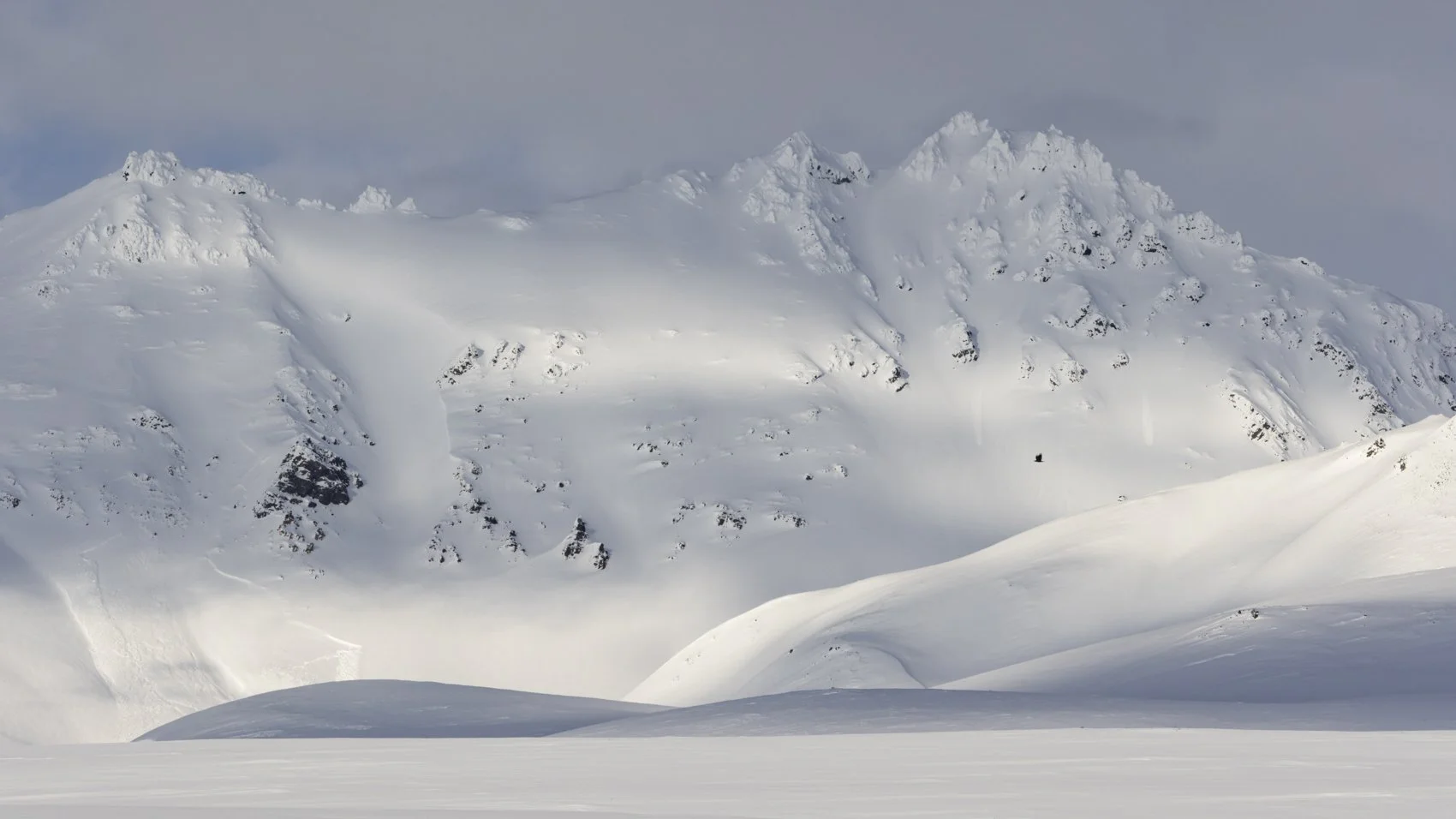
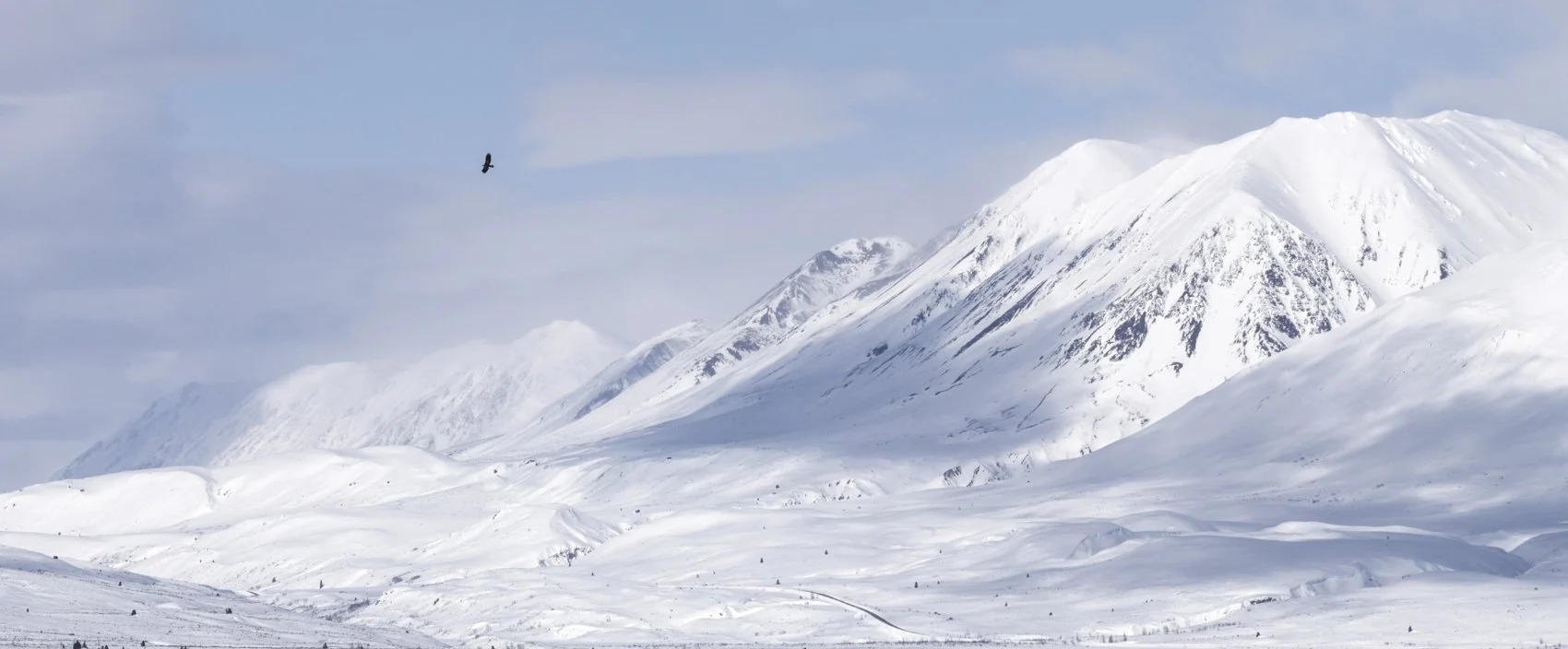
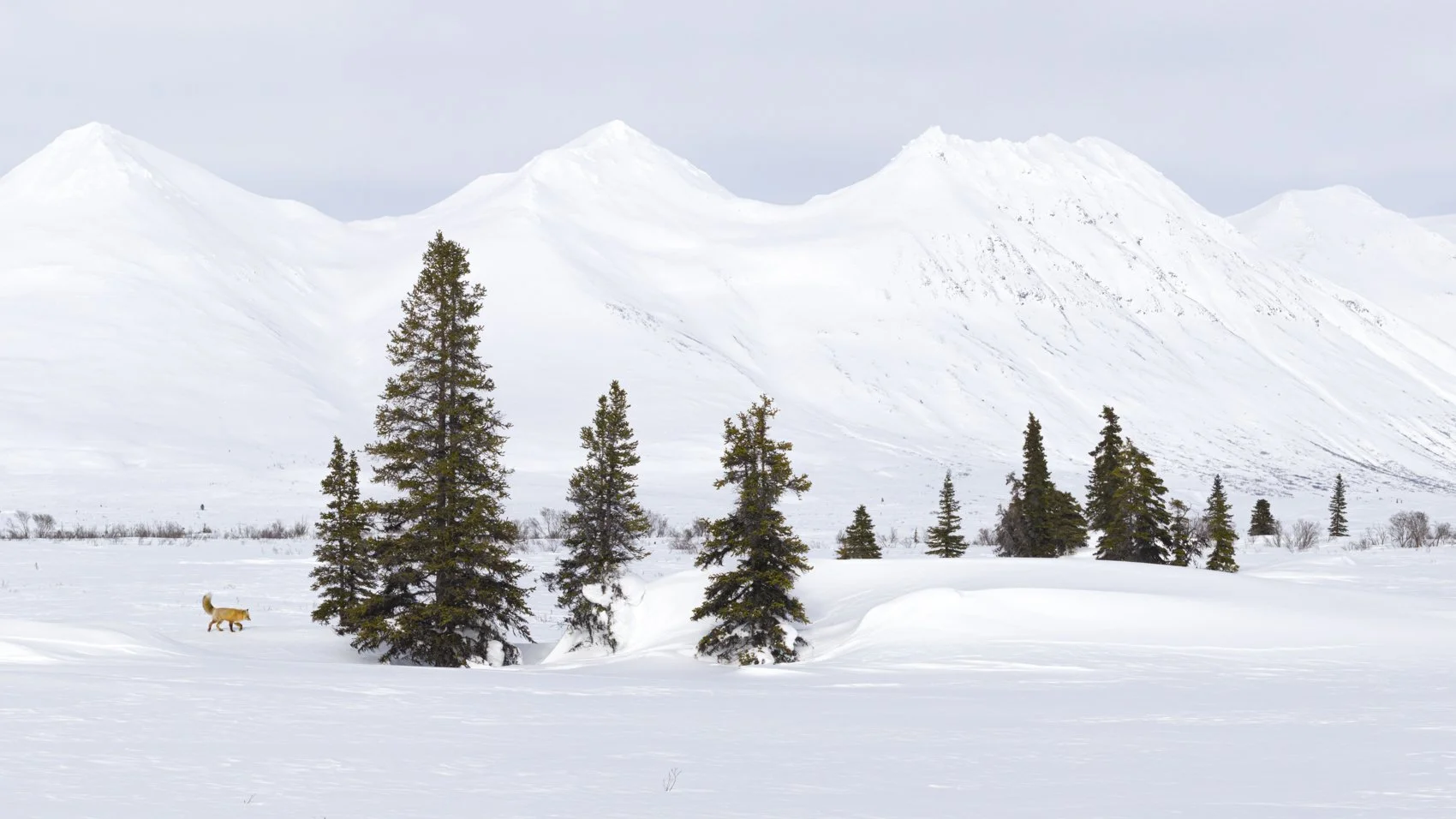
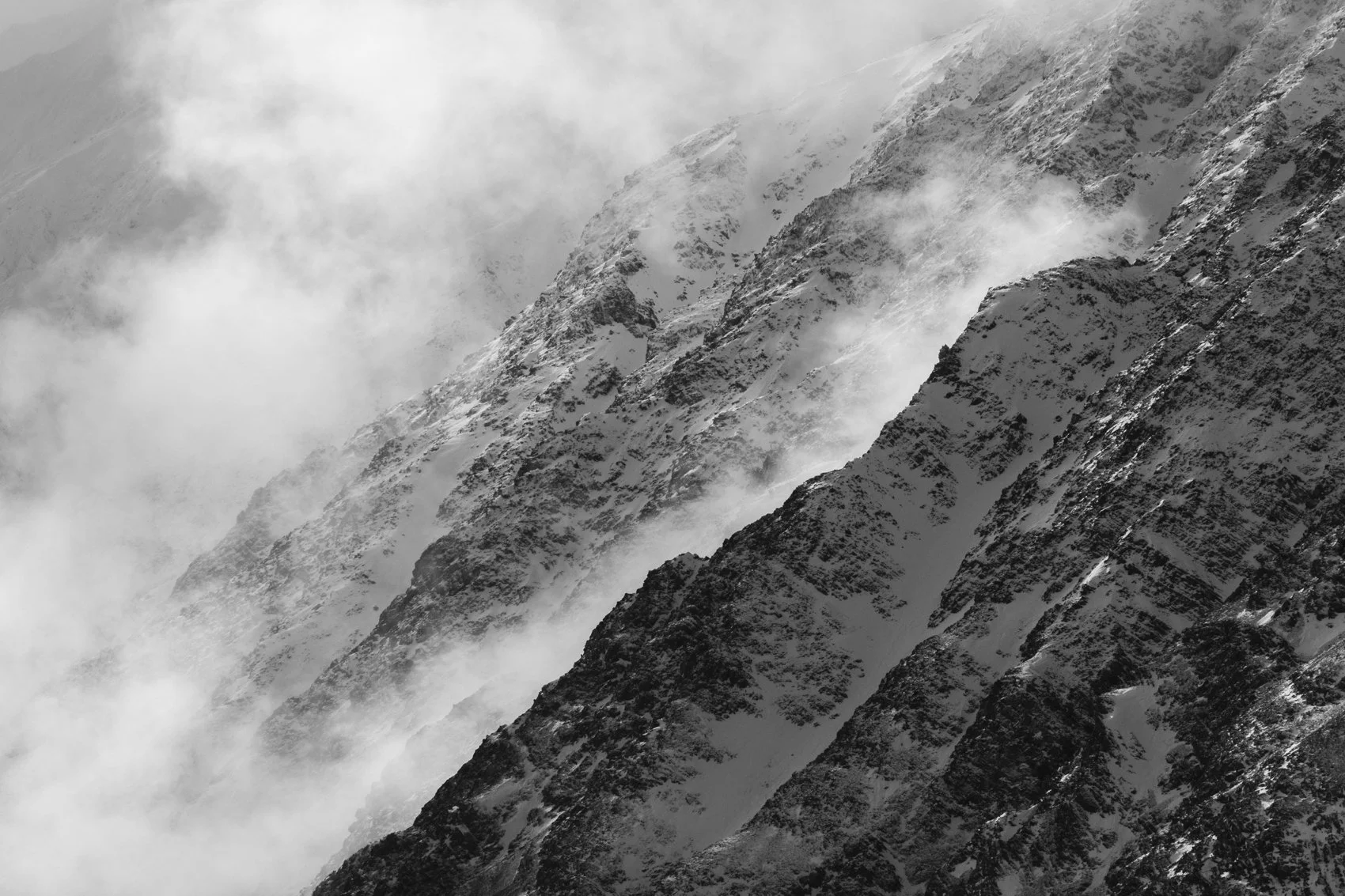
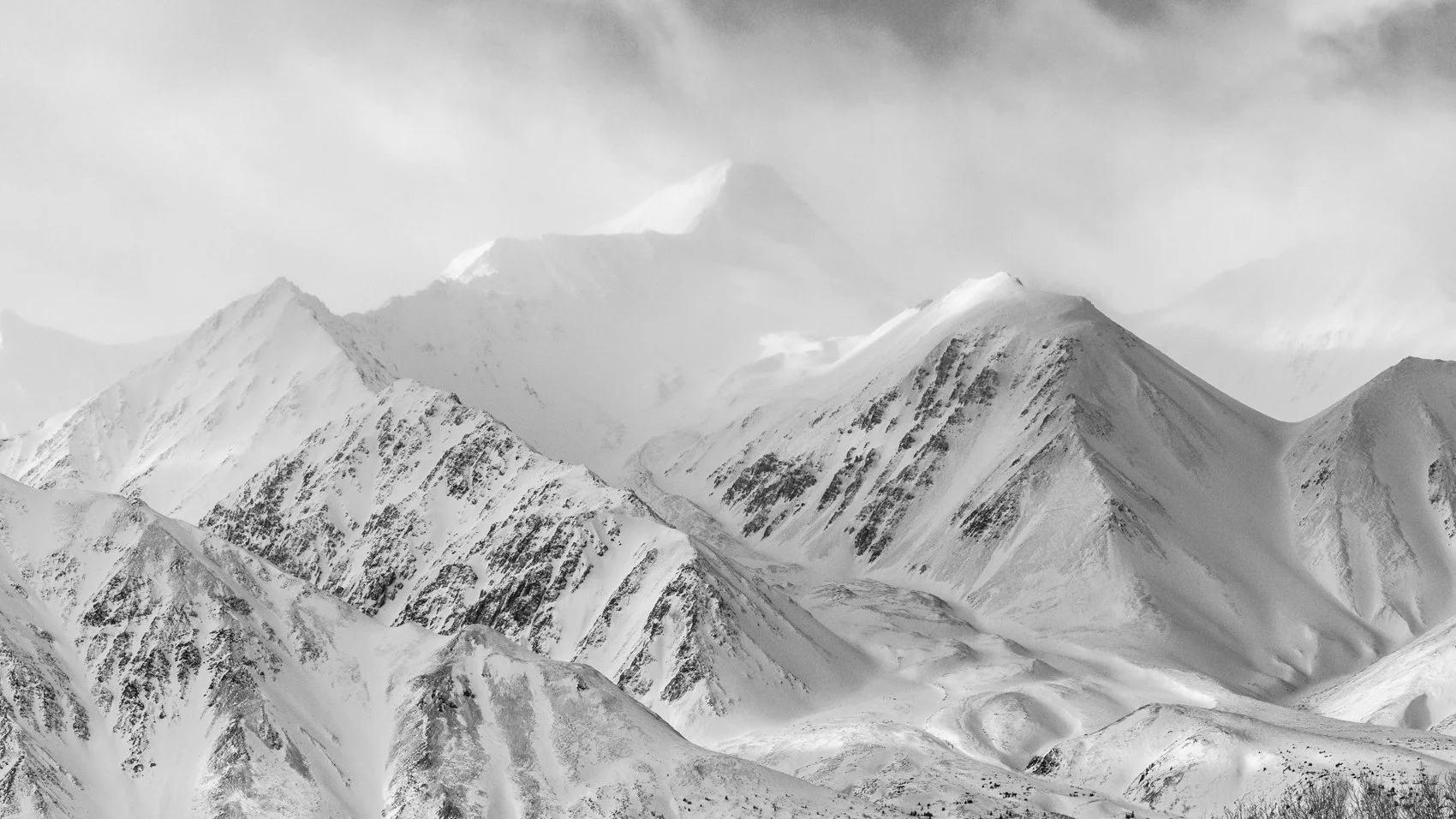
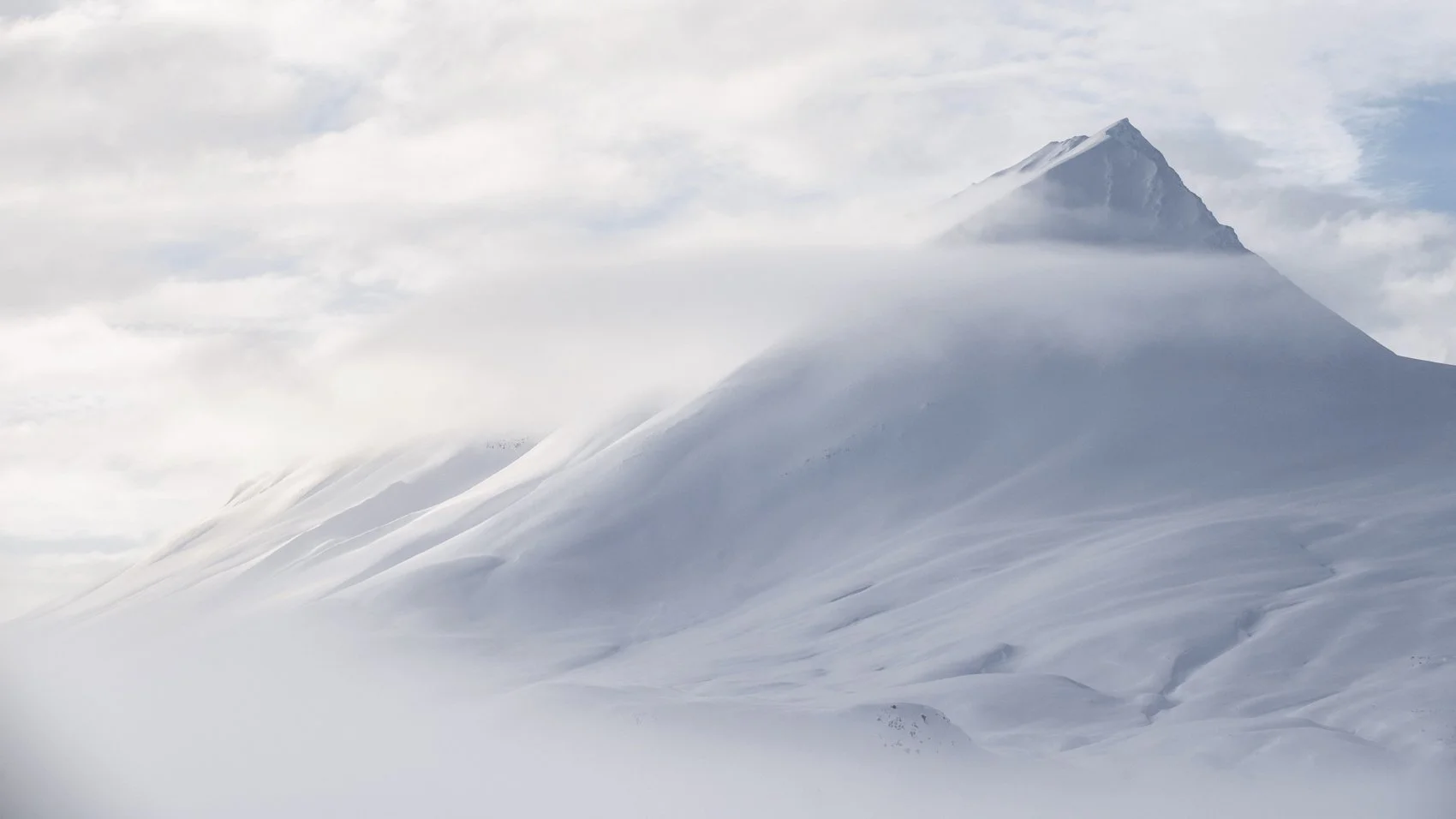
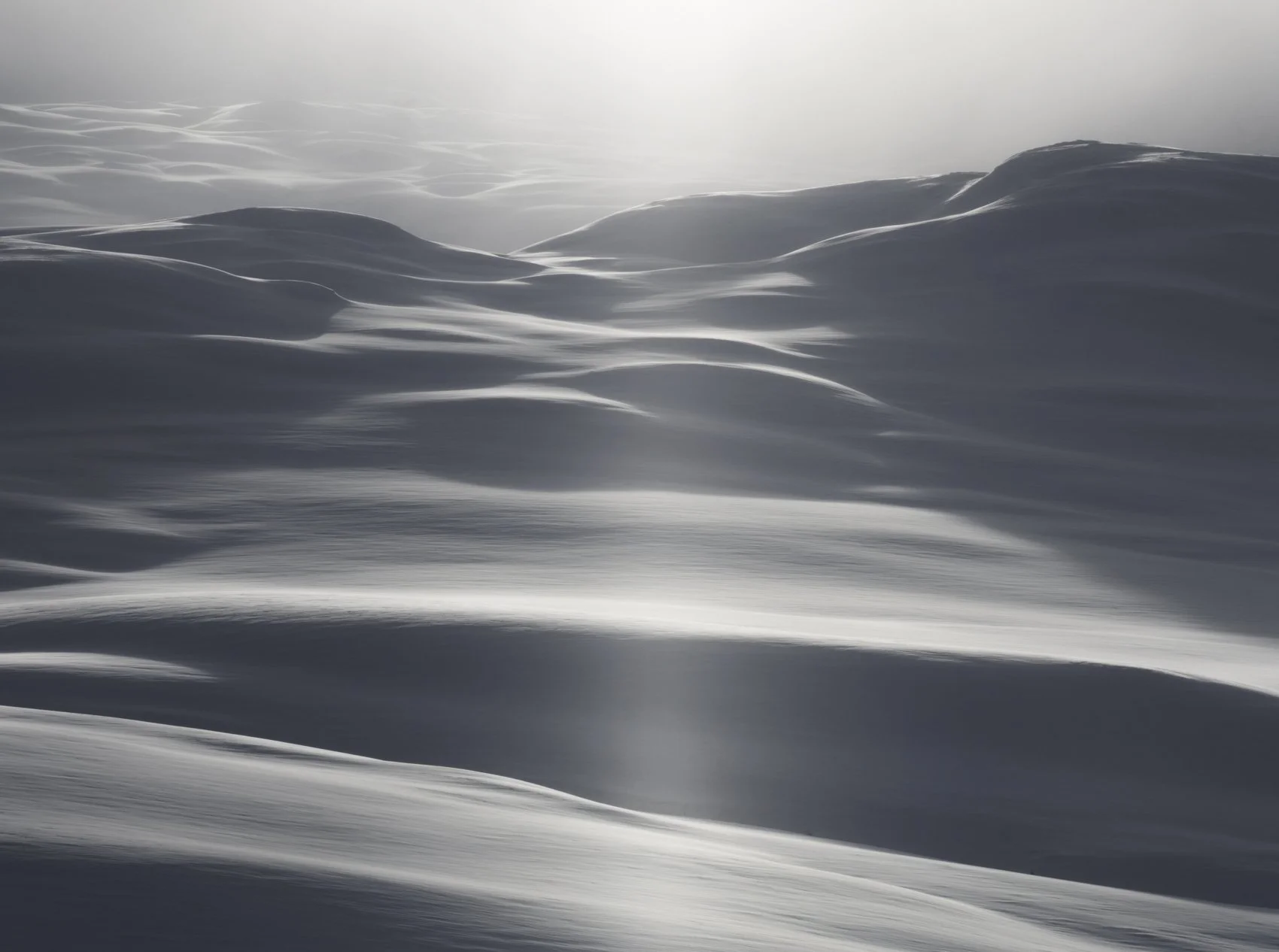
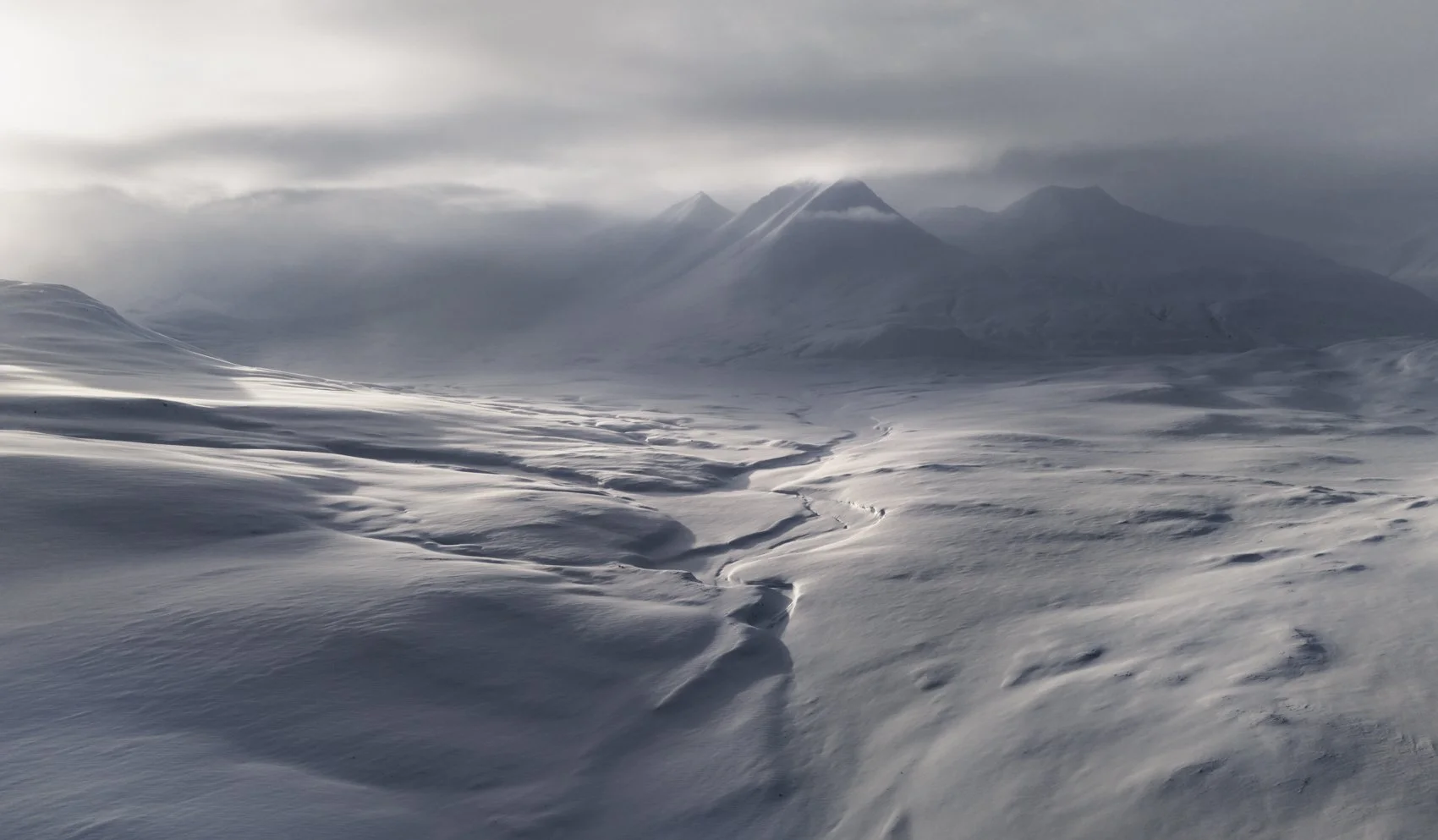
Under winter conditions, the mountains of Yukon and far northern British Columbia offer exceptional landscape photography opportunities. Few people visit this region, particularly during the cold weather season, allowing many opportunities for new and unique photography compositions. Whether you’re capturing sweeping panoramas or intimate details in the snow, there is so much stunning natural beauty to be experienced and photographed. We’ll practice technique for wide-angle landscapes, as well as more detailed telephoto compositions.
-
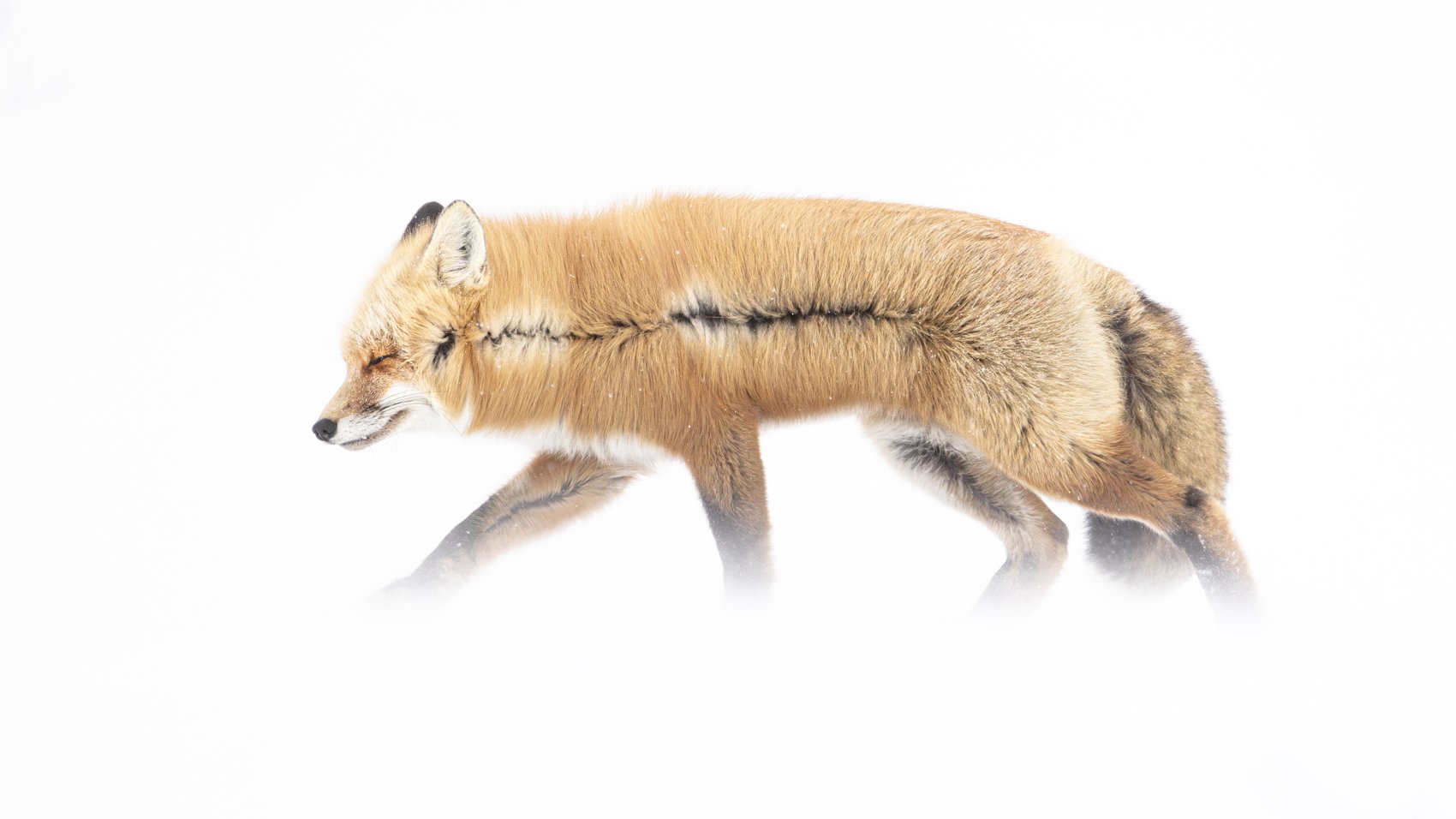
Wildlife in amazing snowy conditions
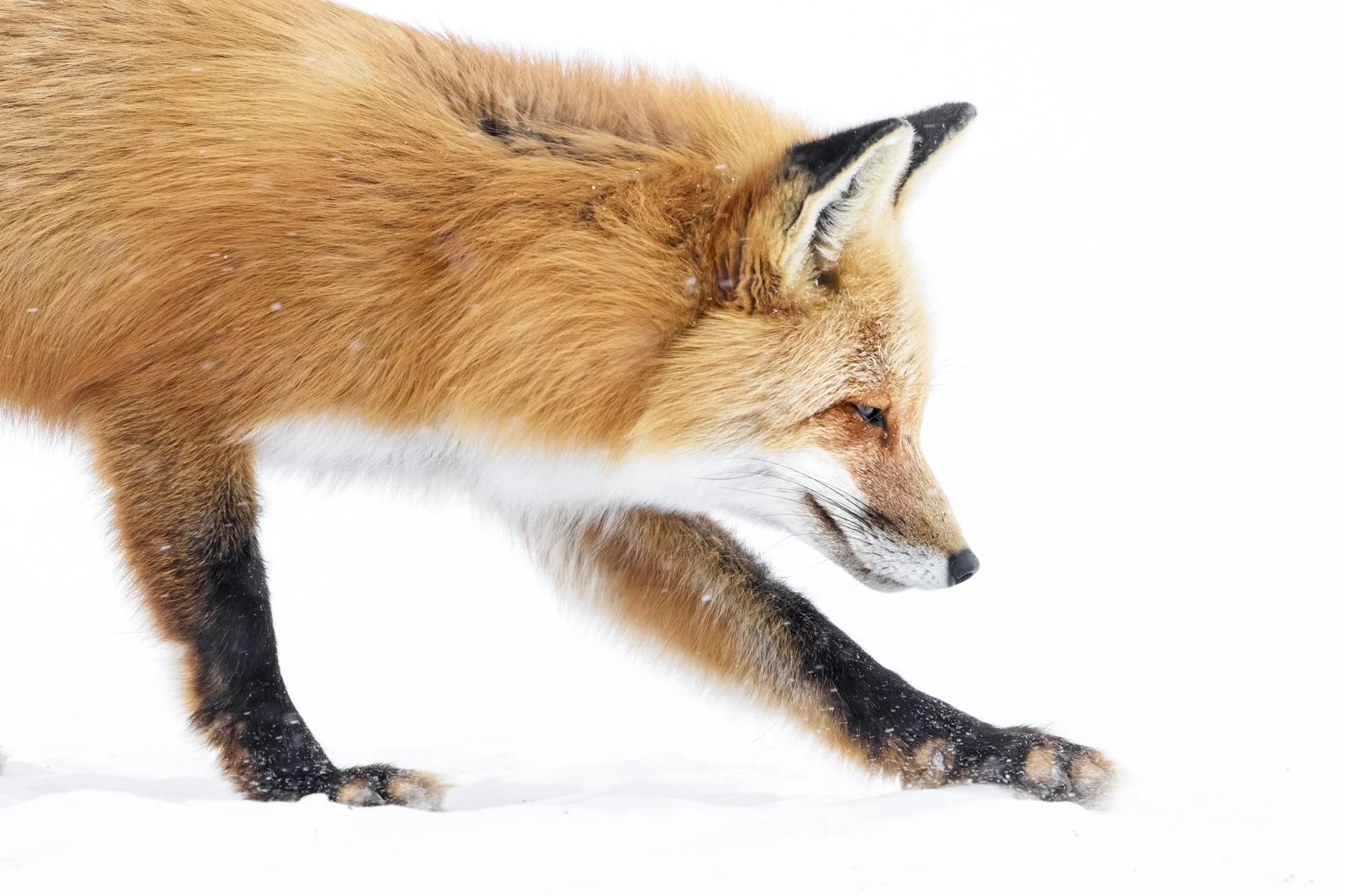
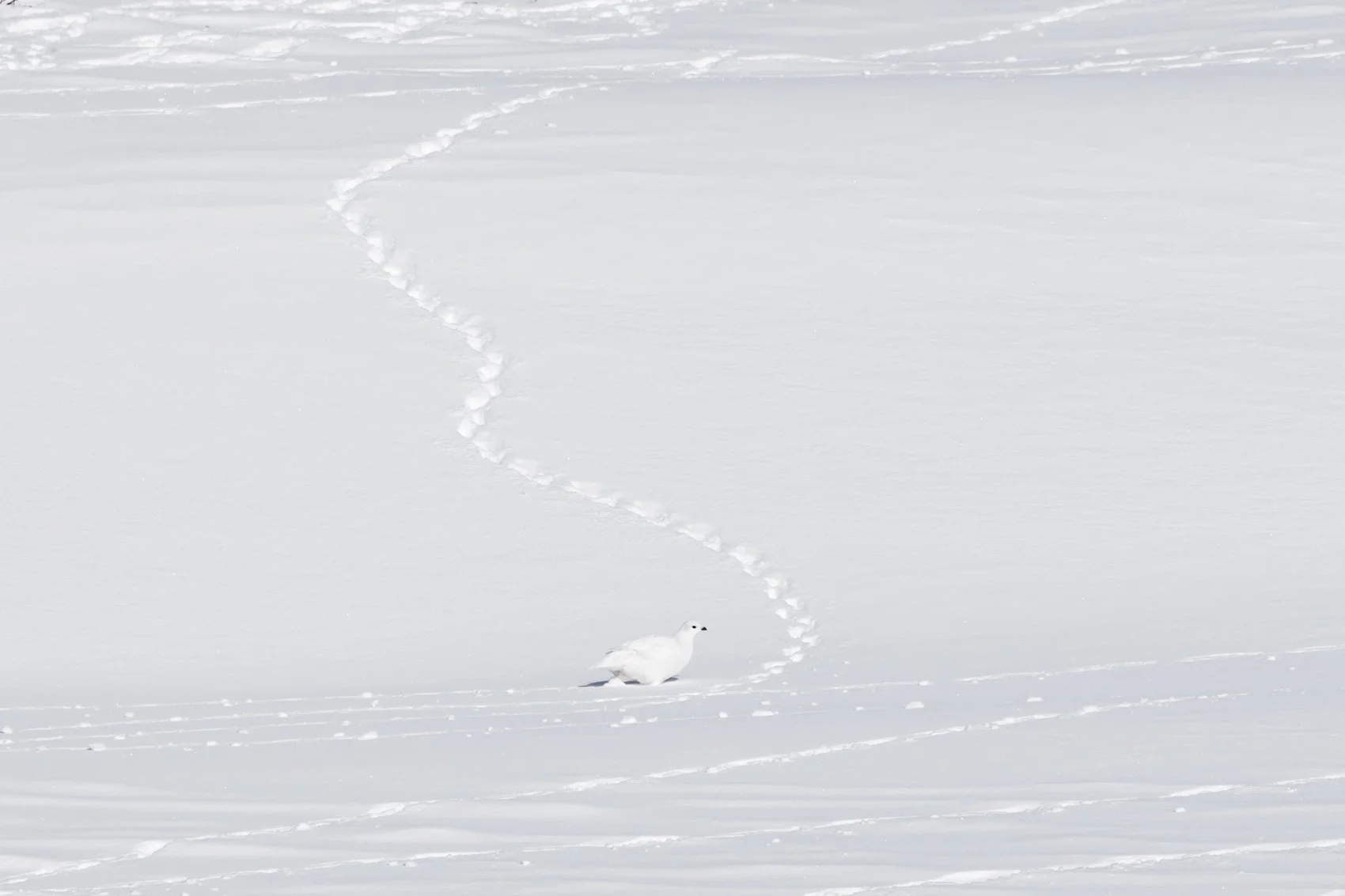
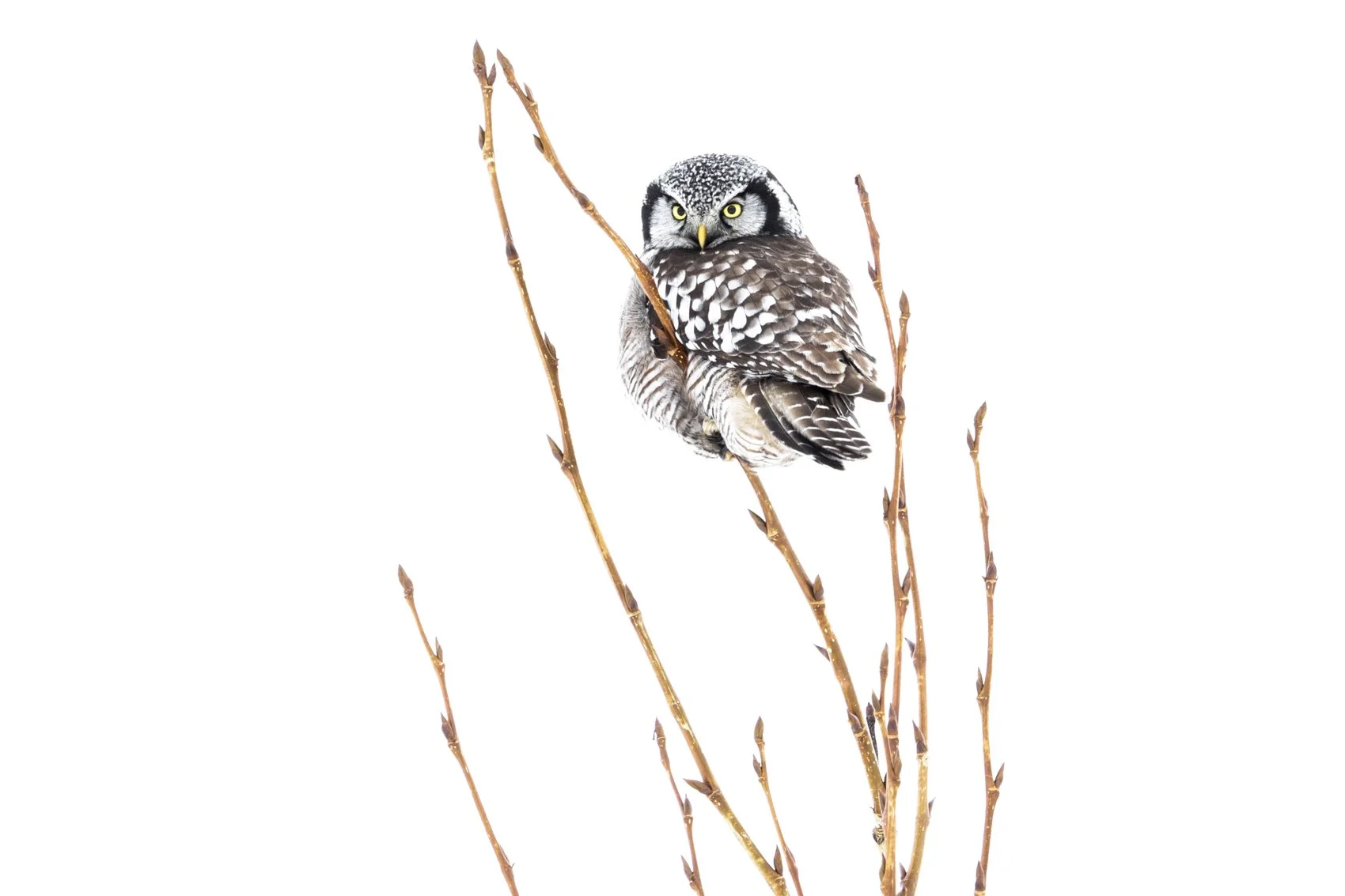
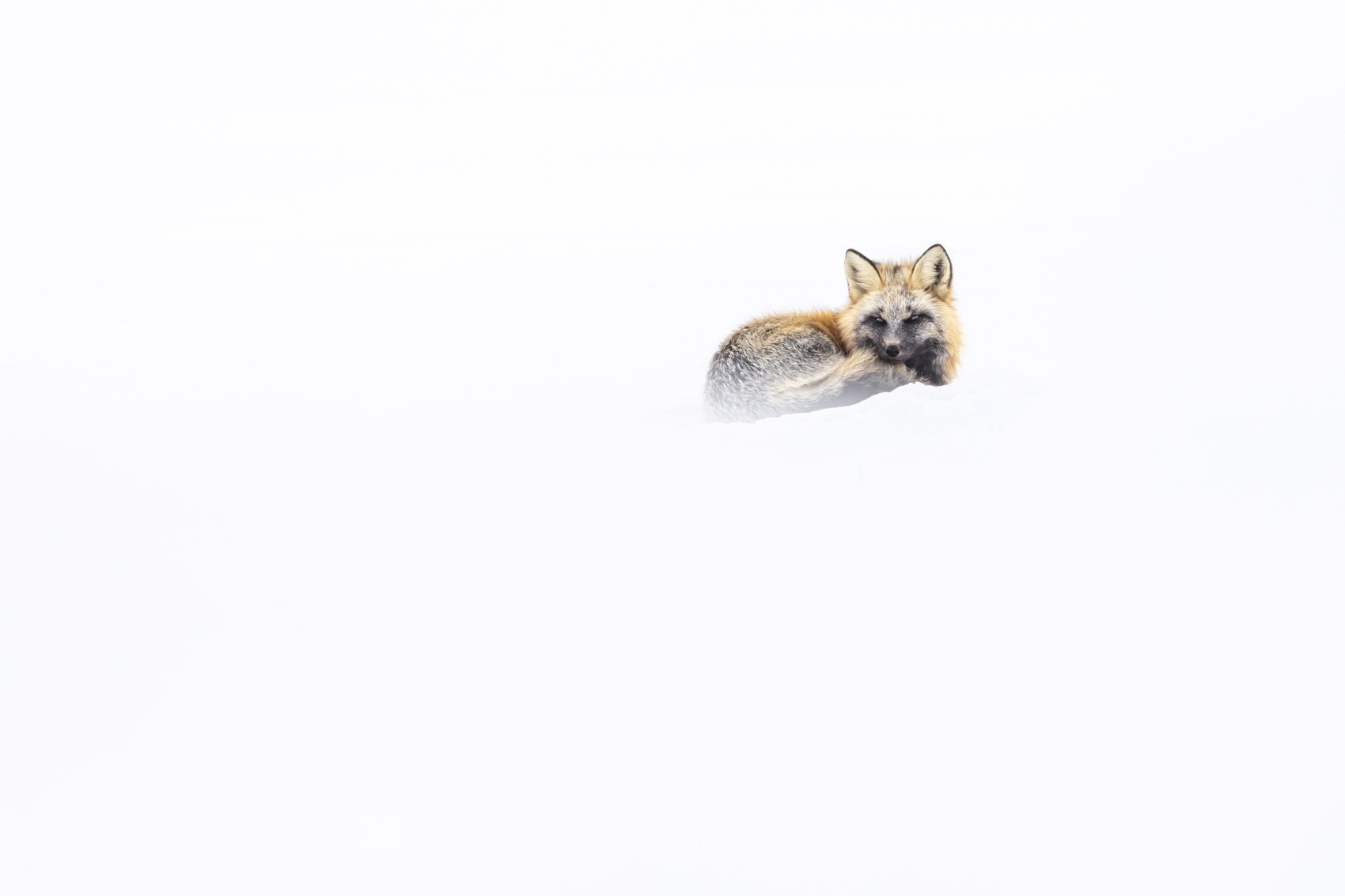
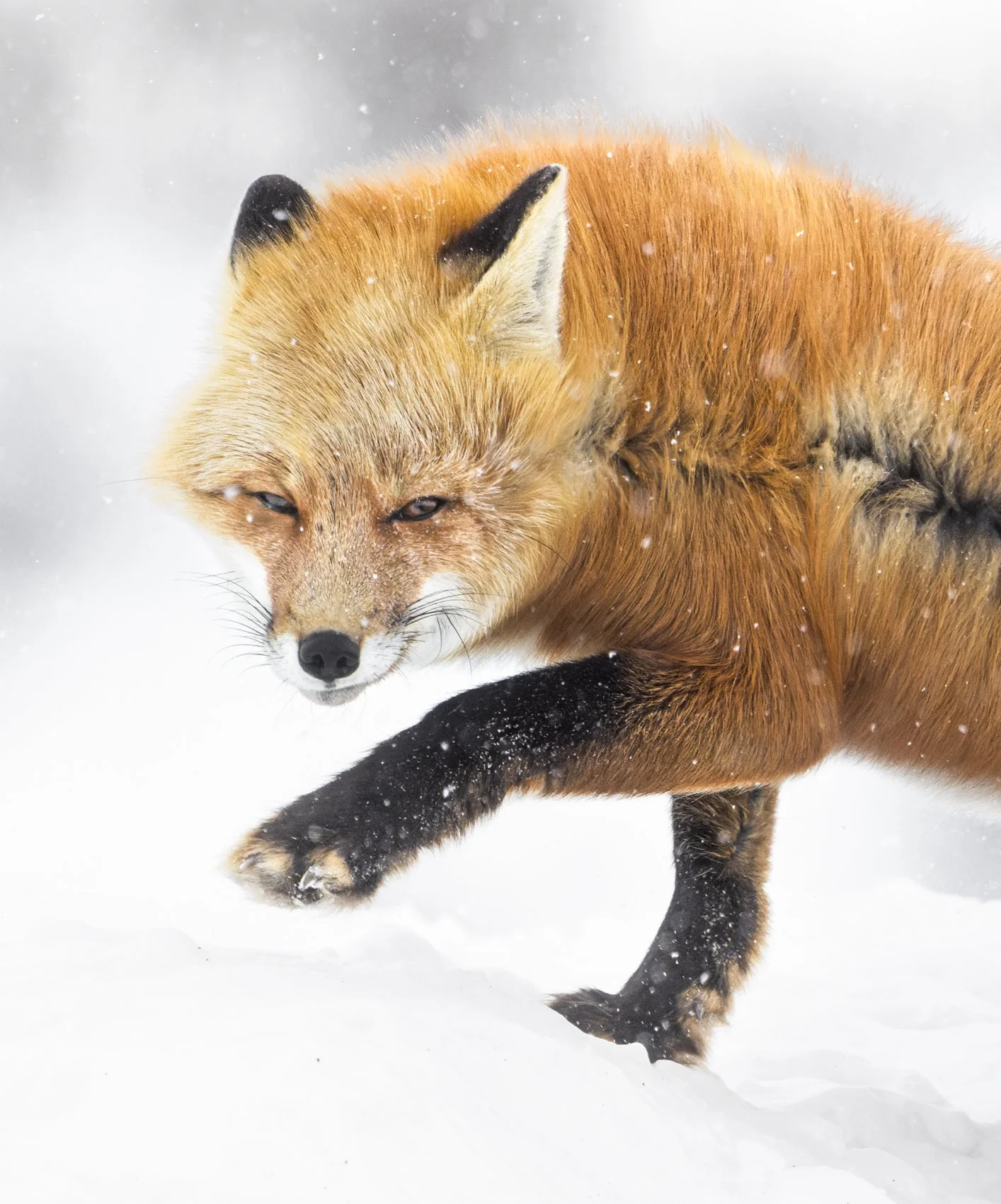
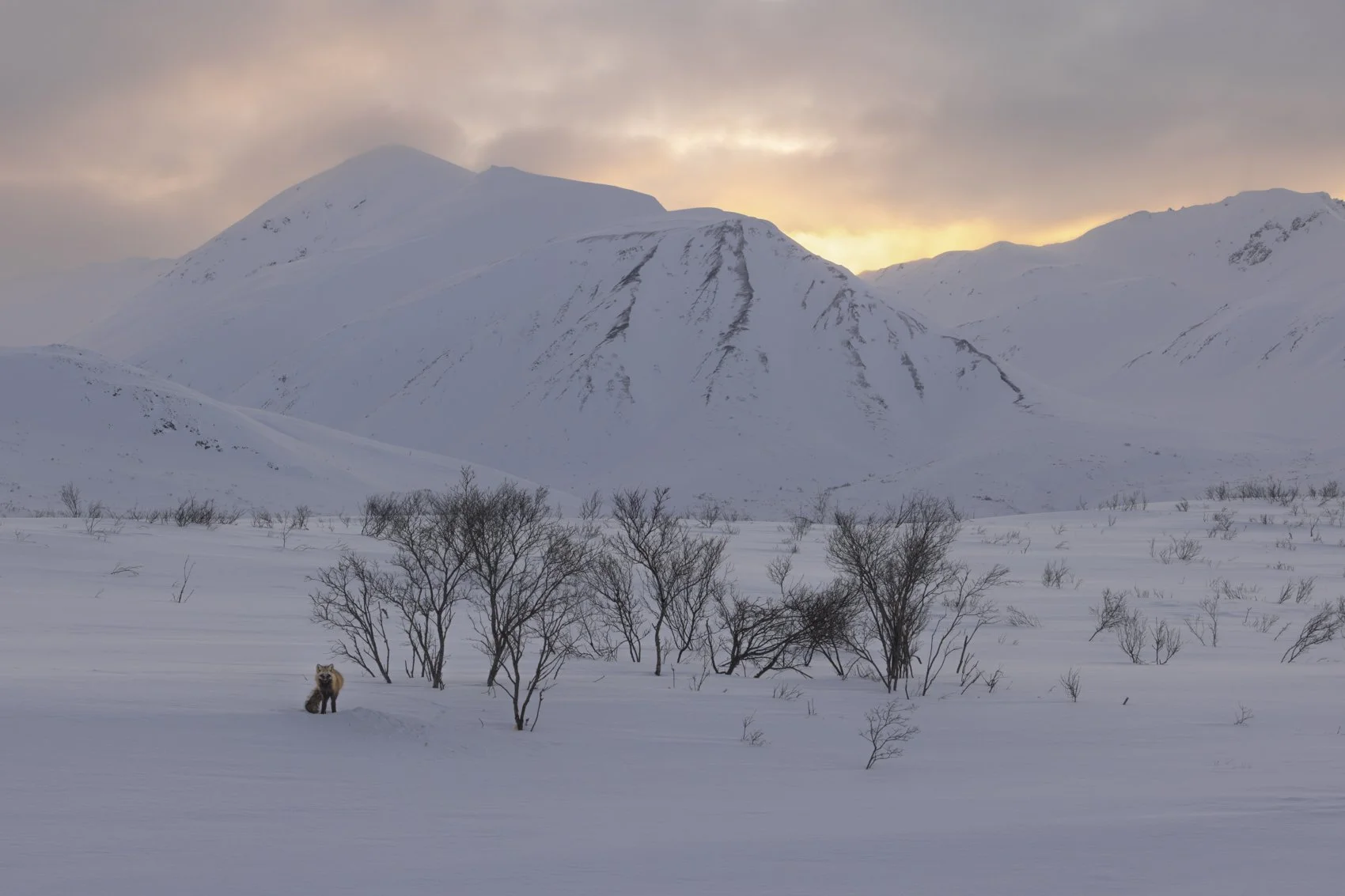
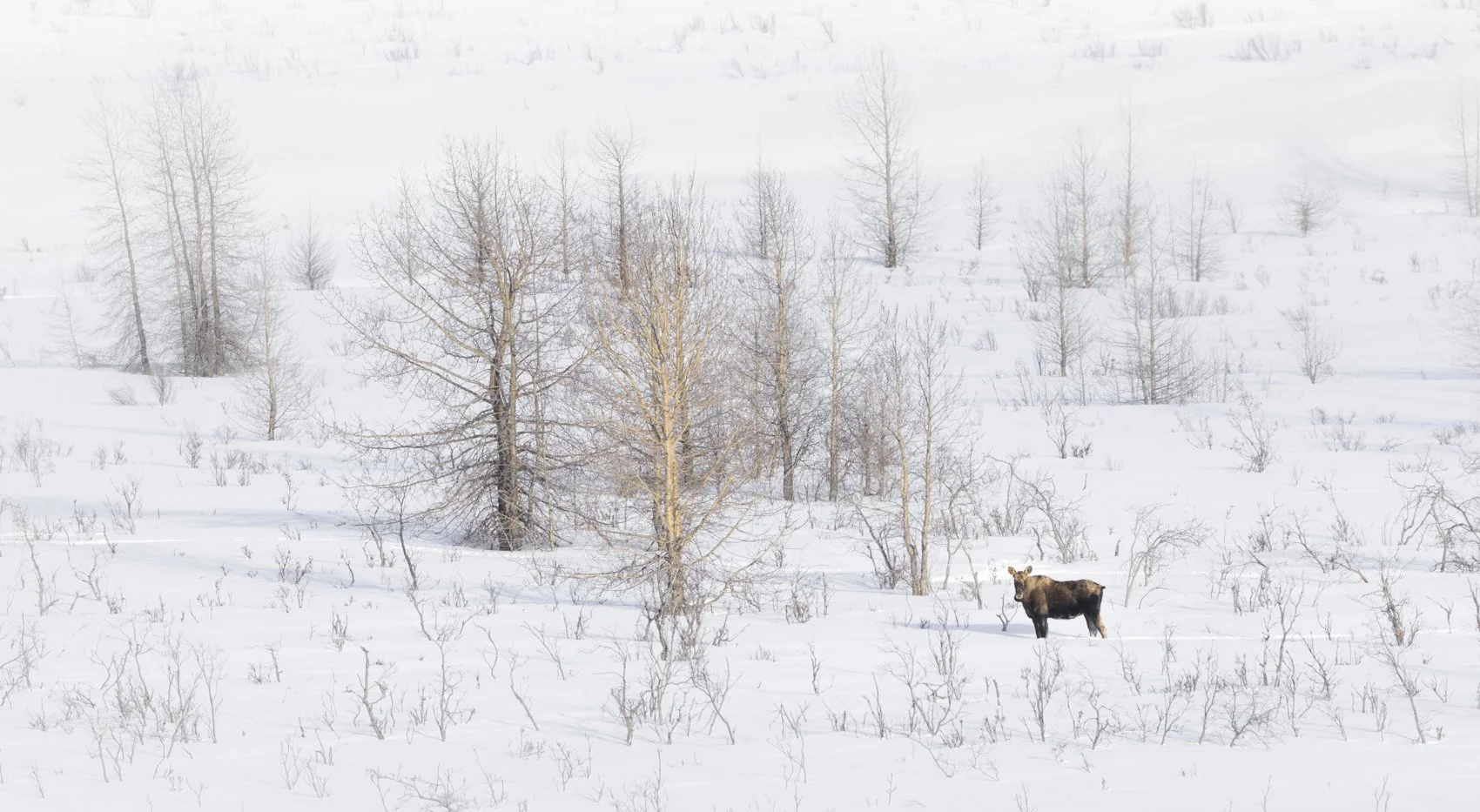
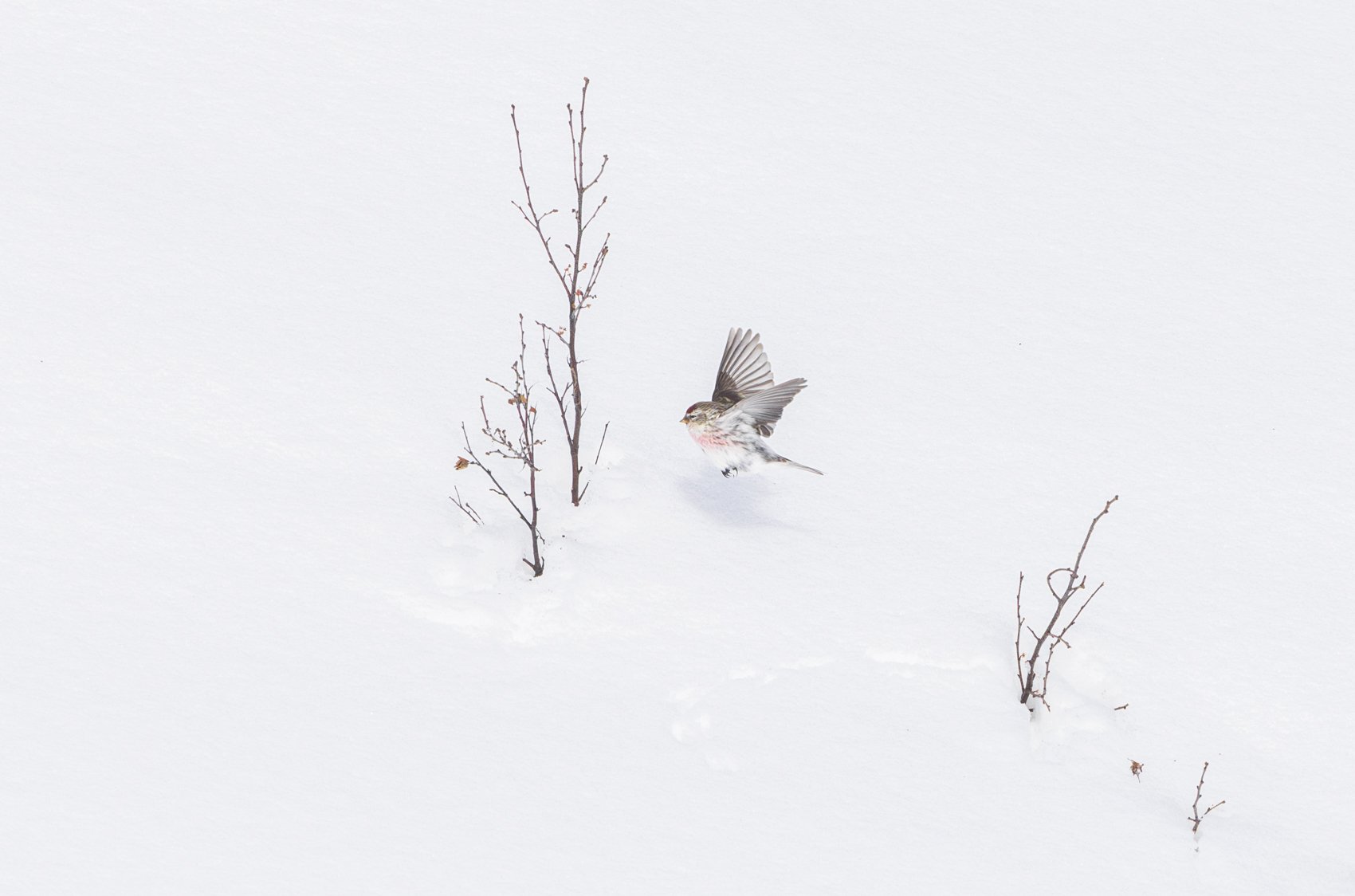
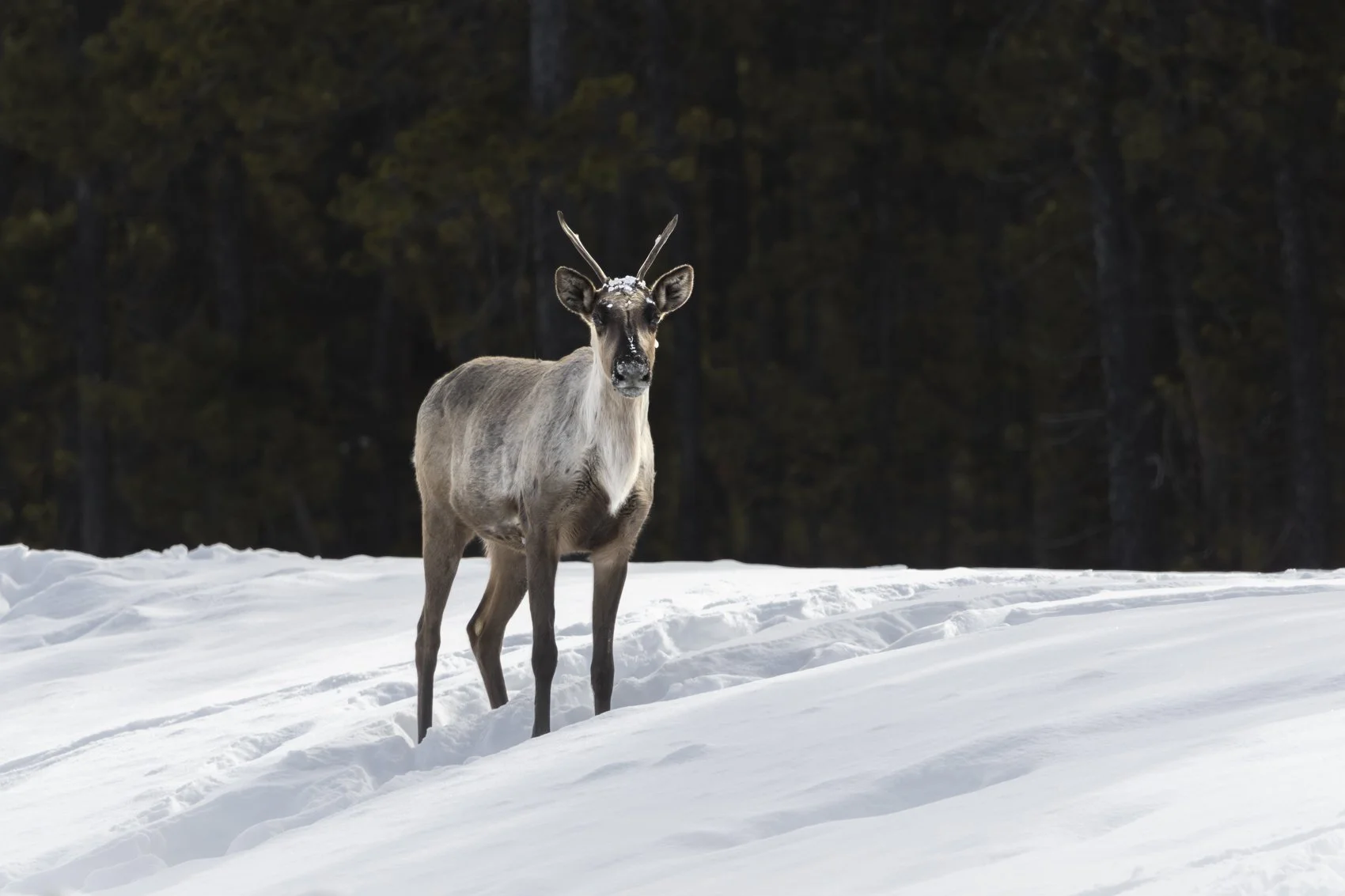
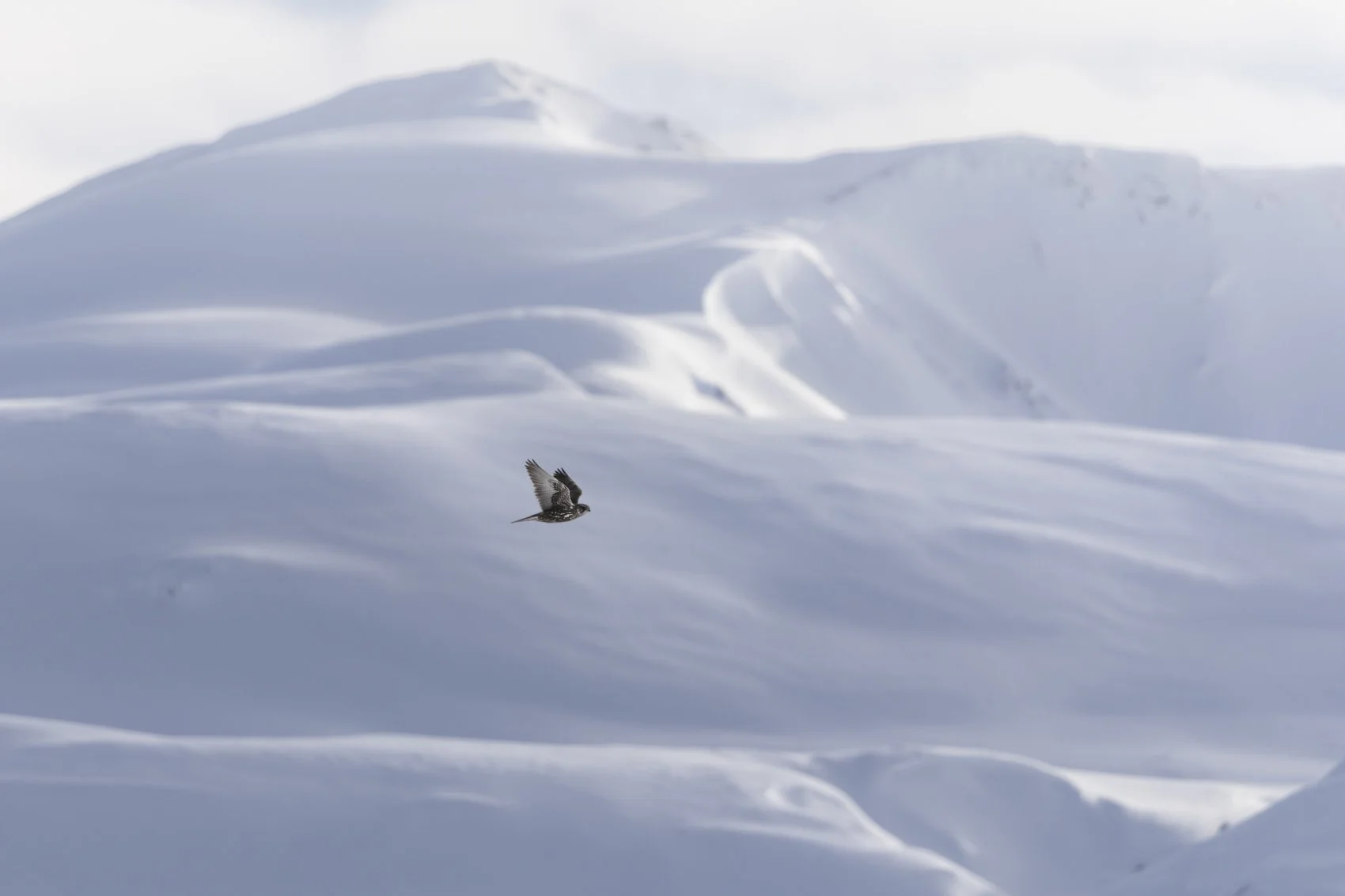
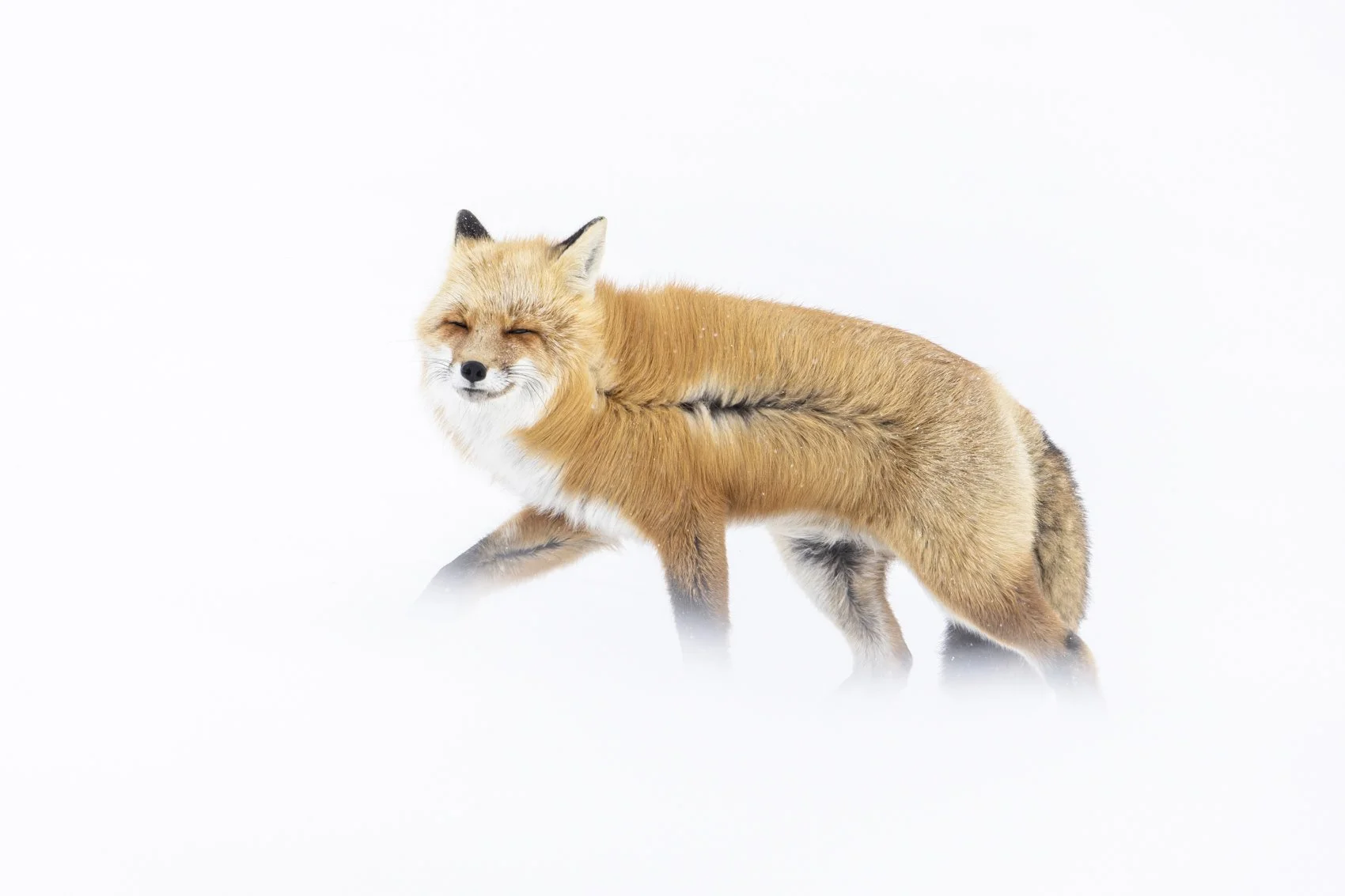
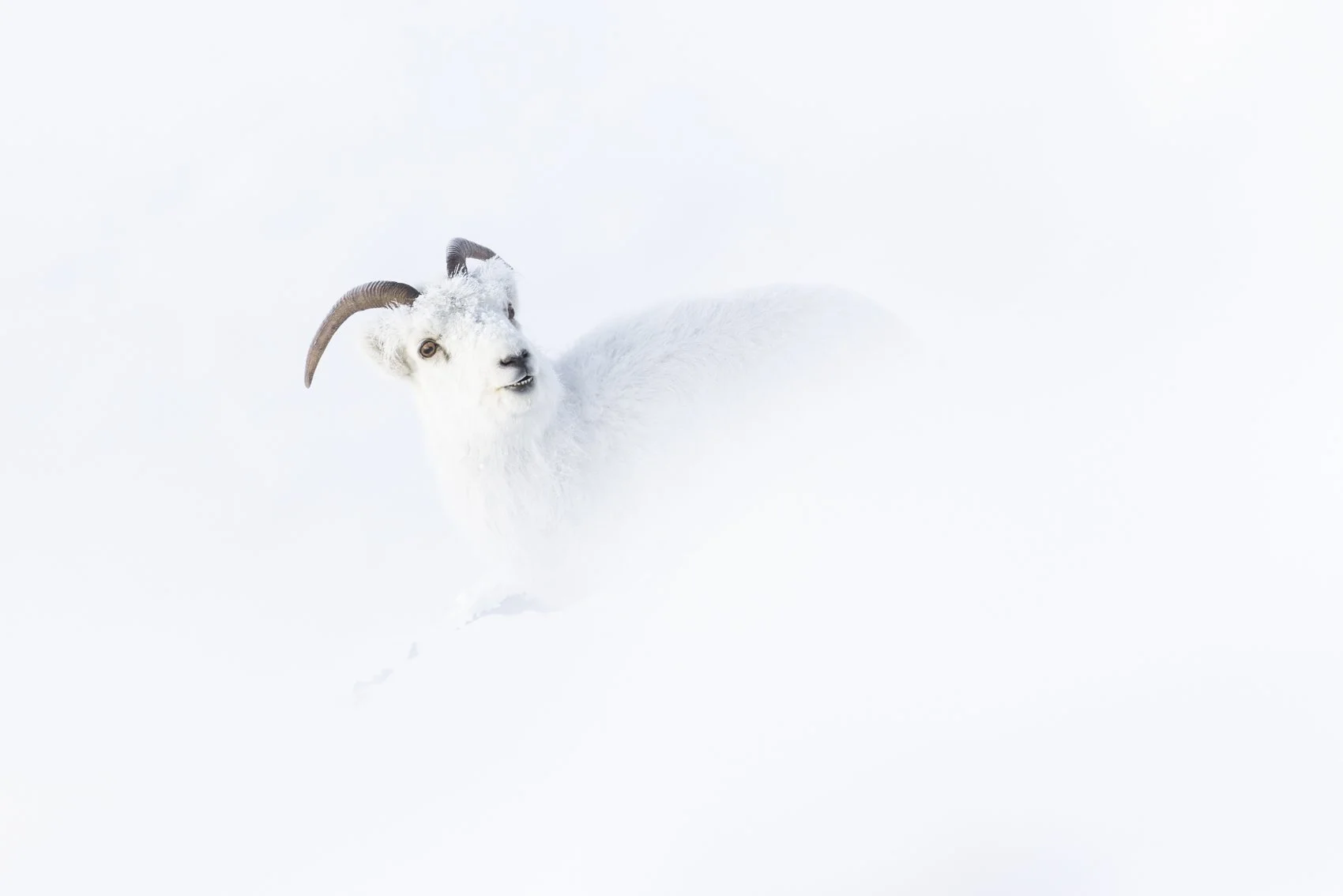
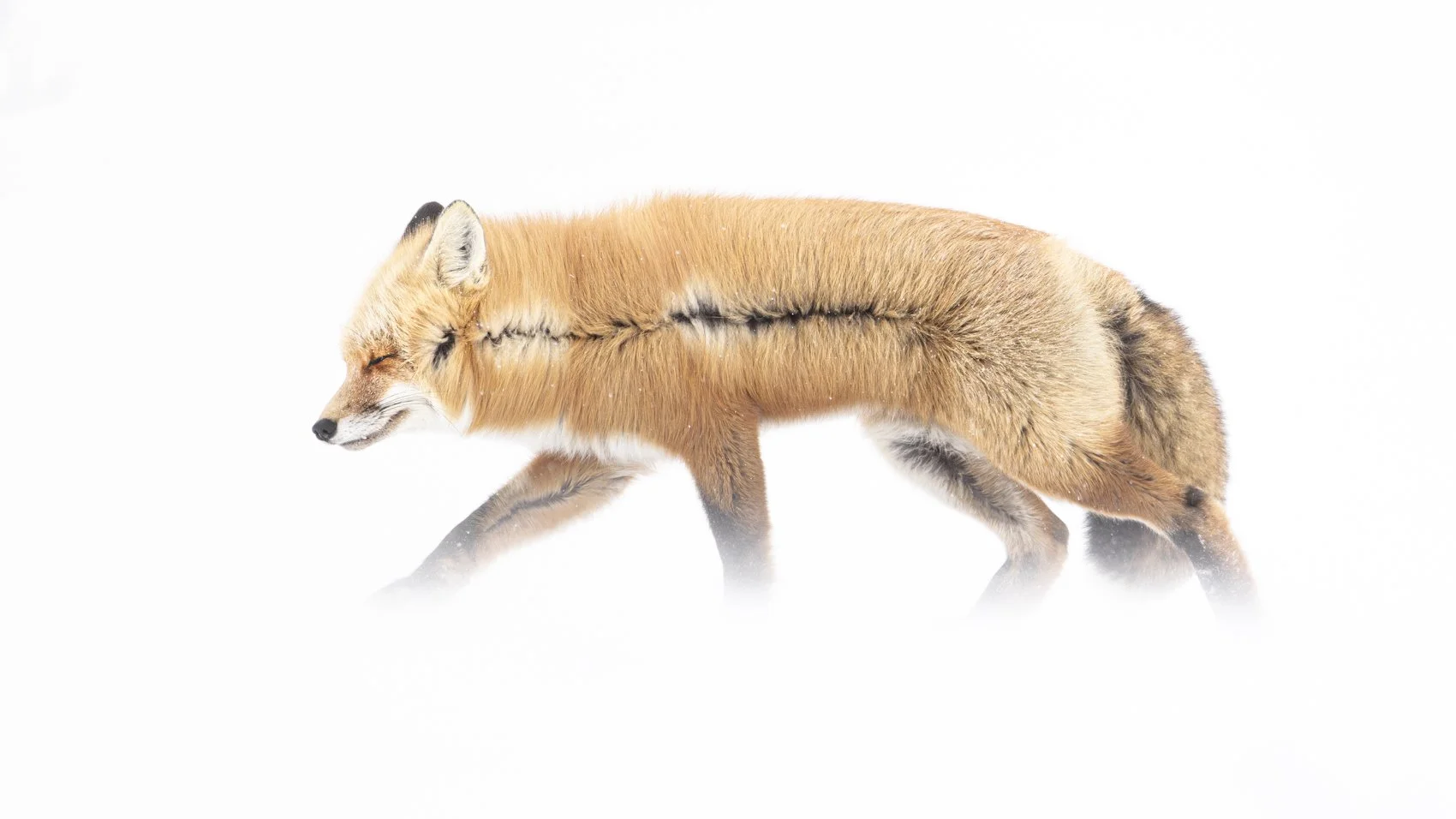
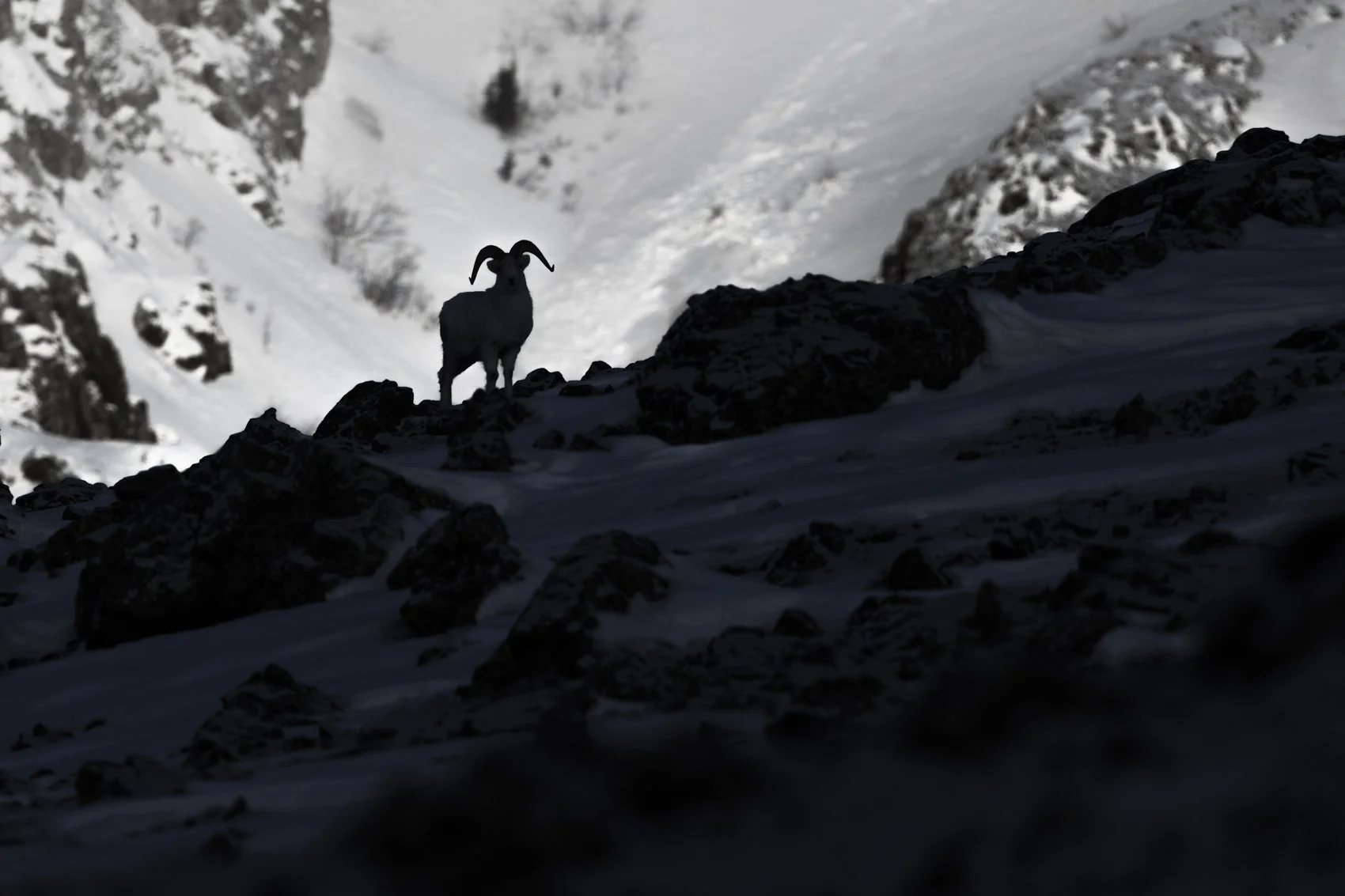
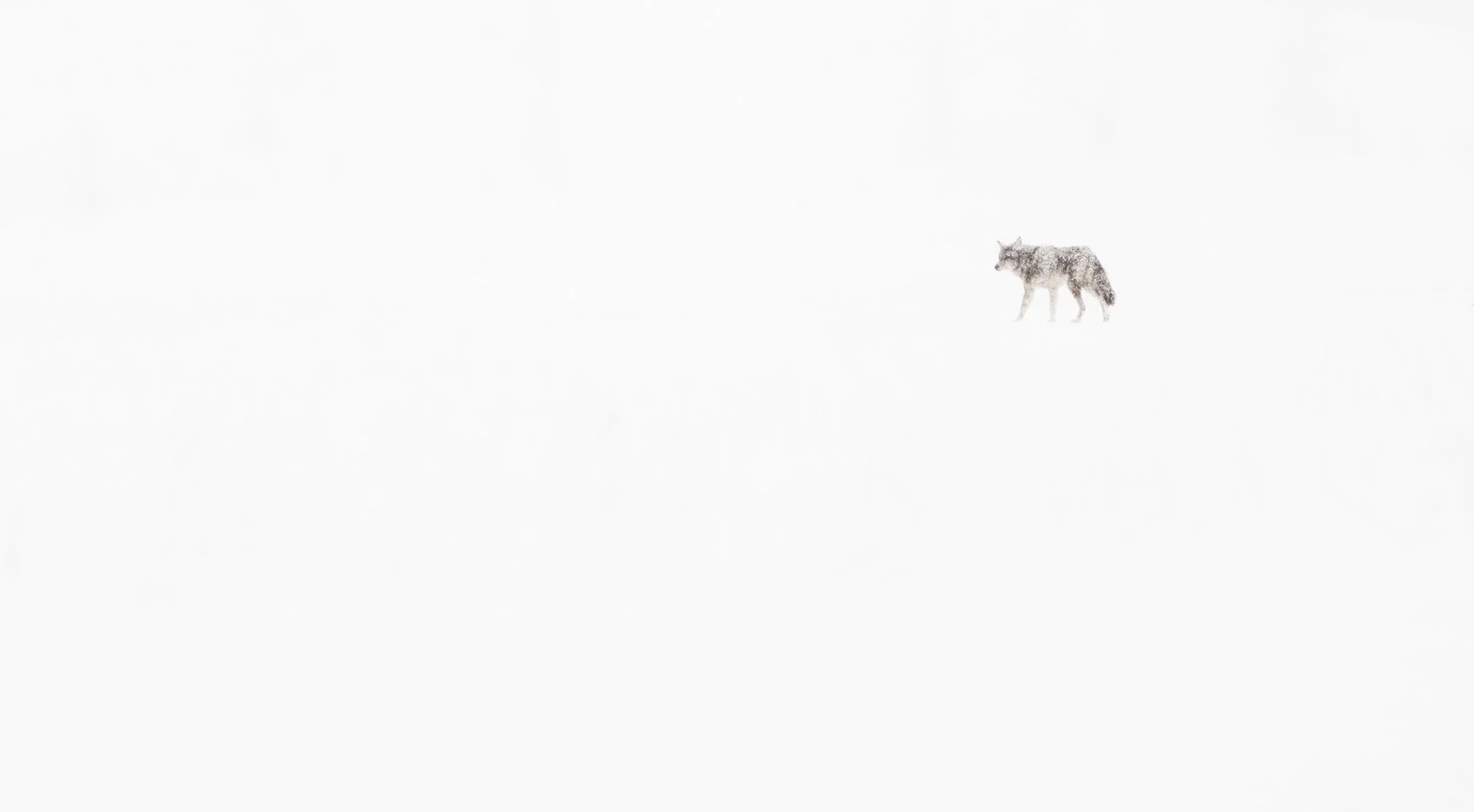
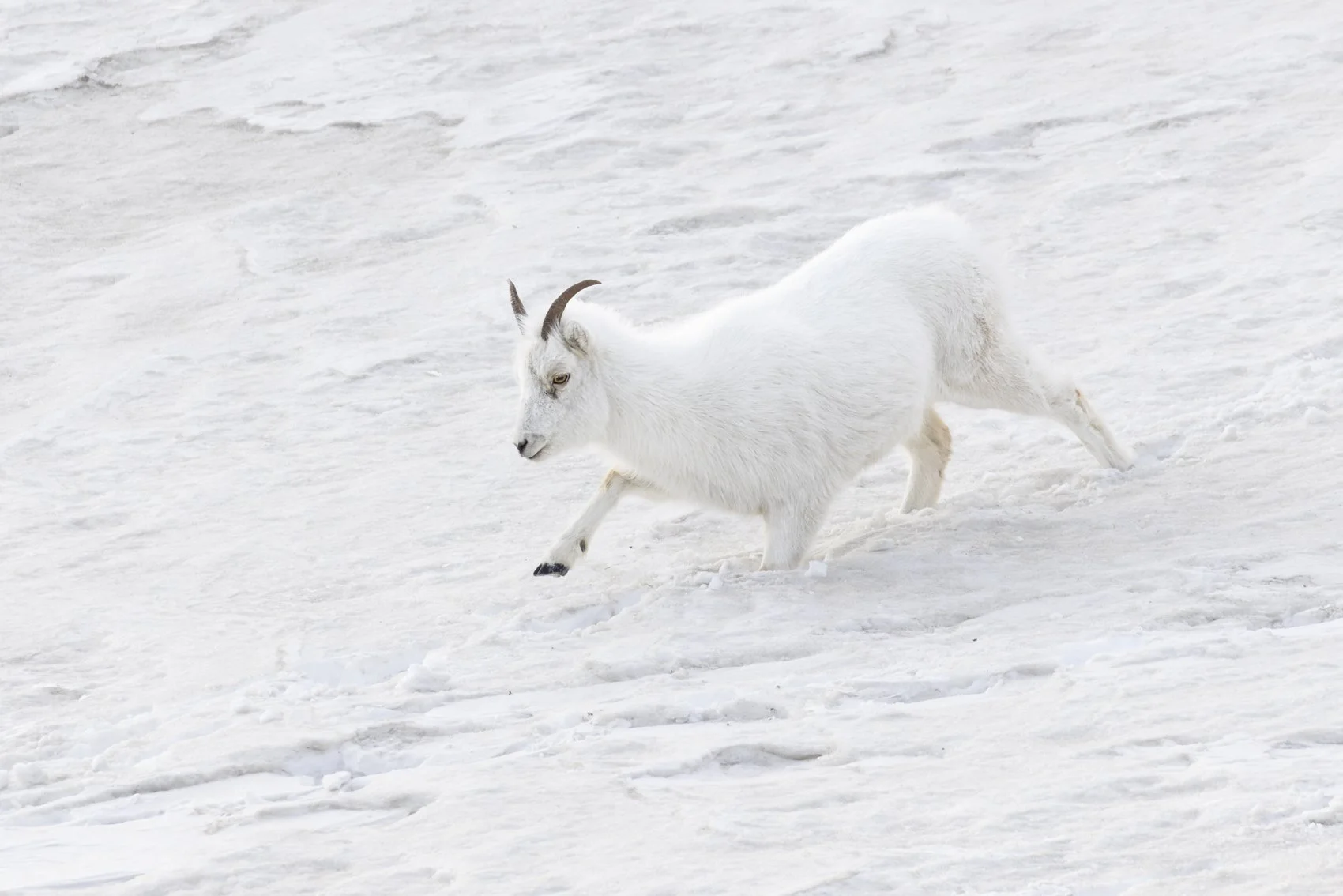
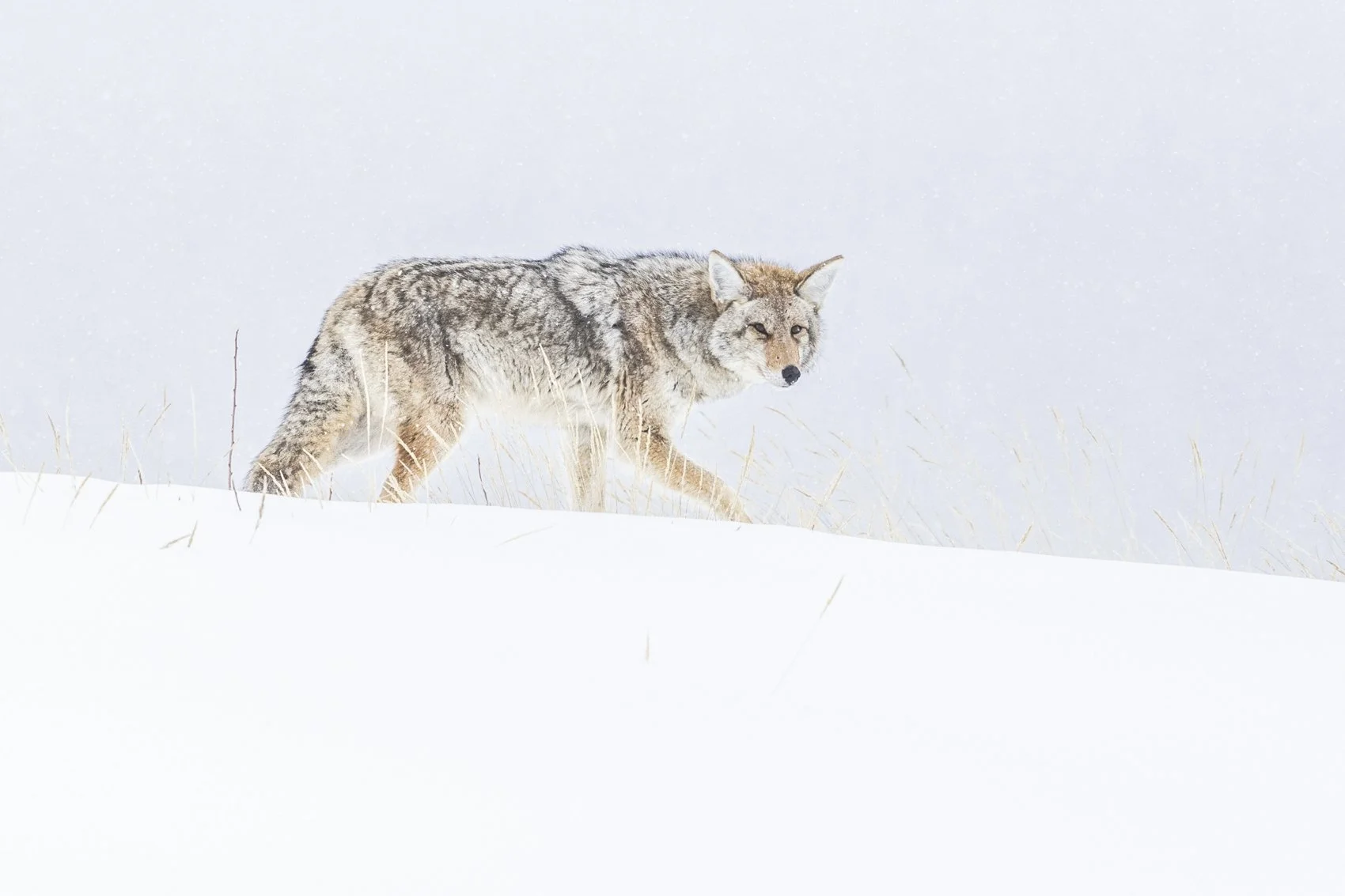
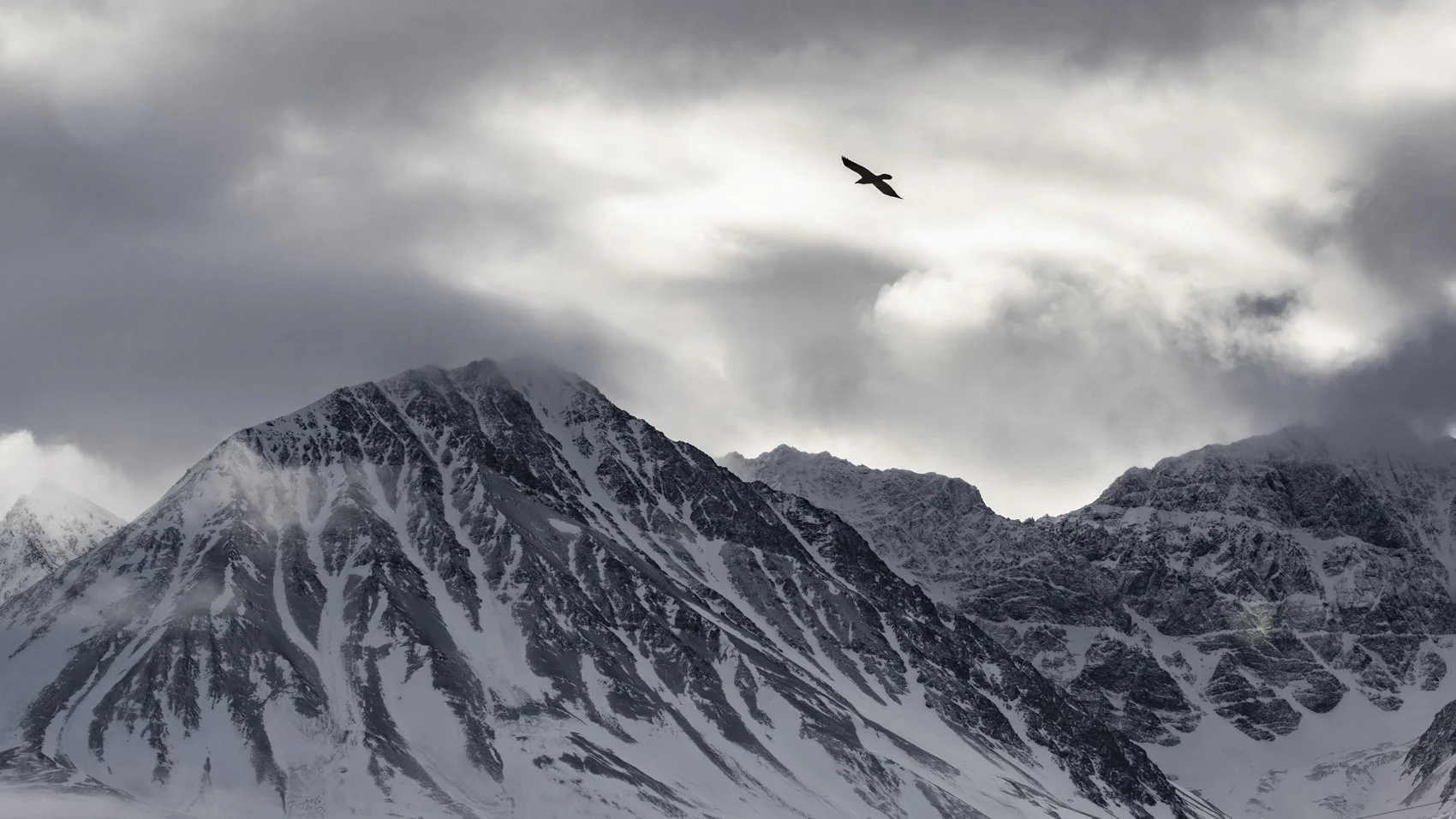
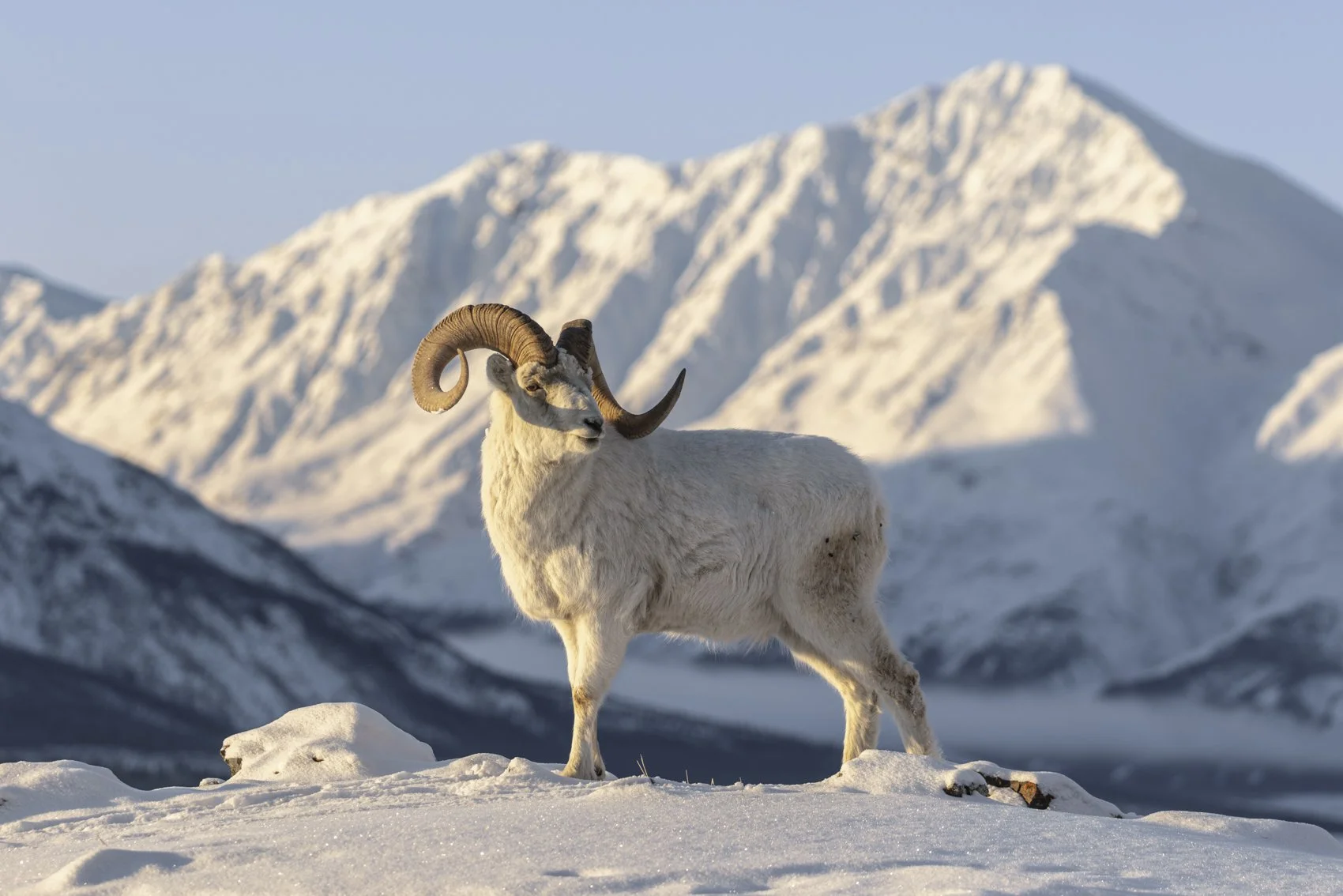
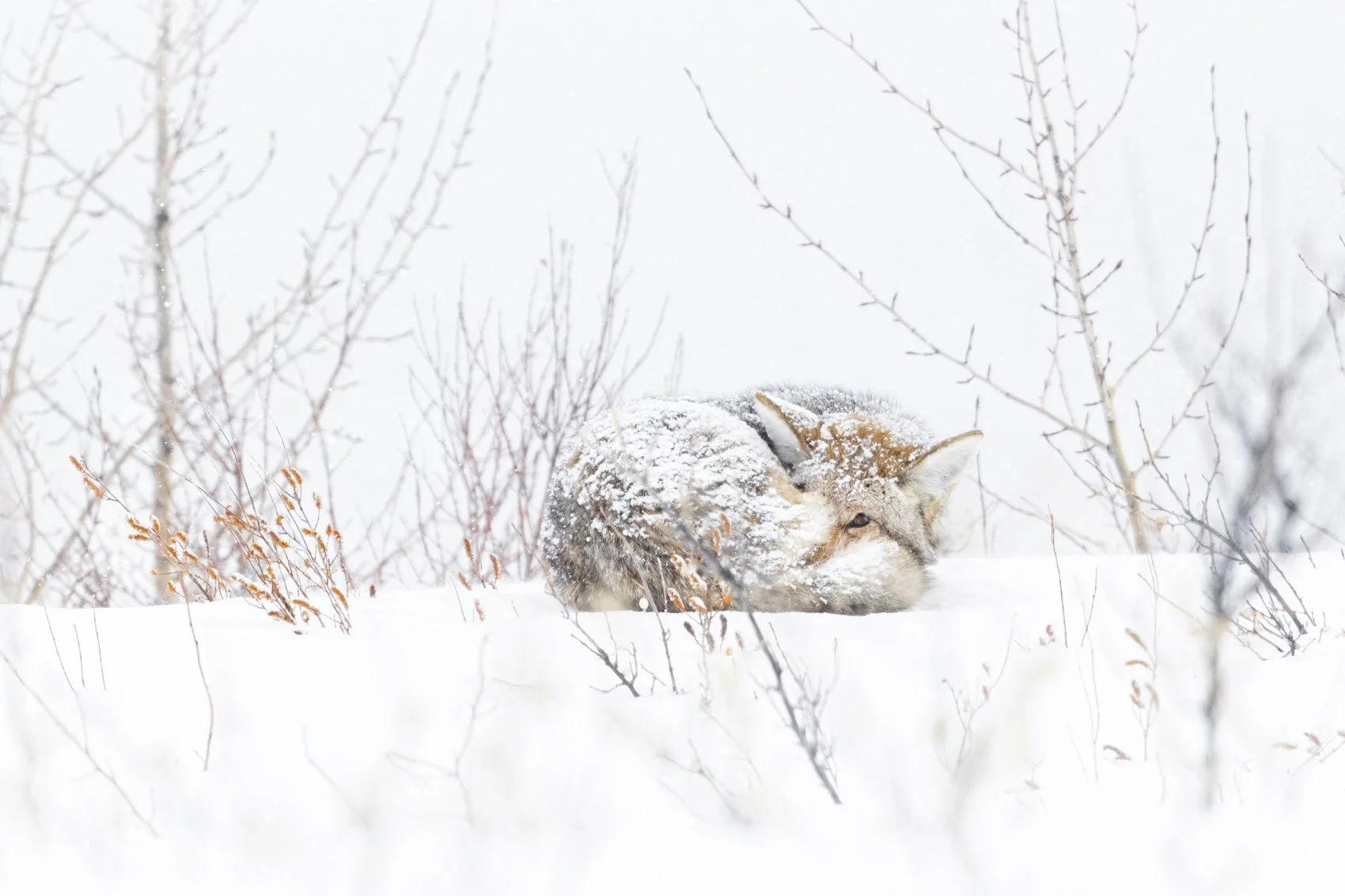
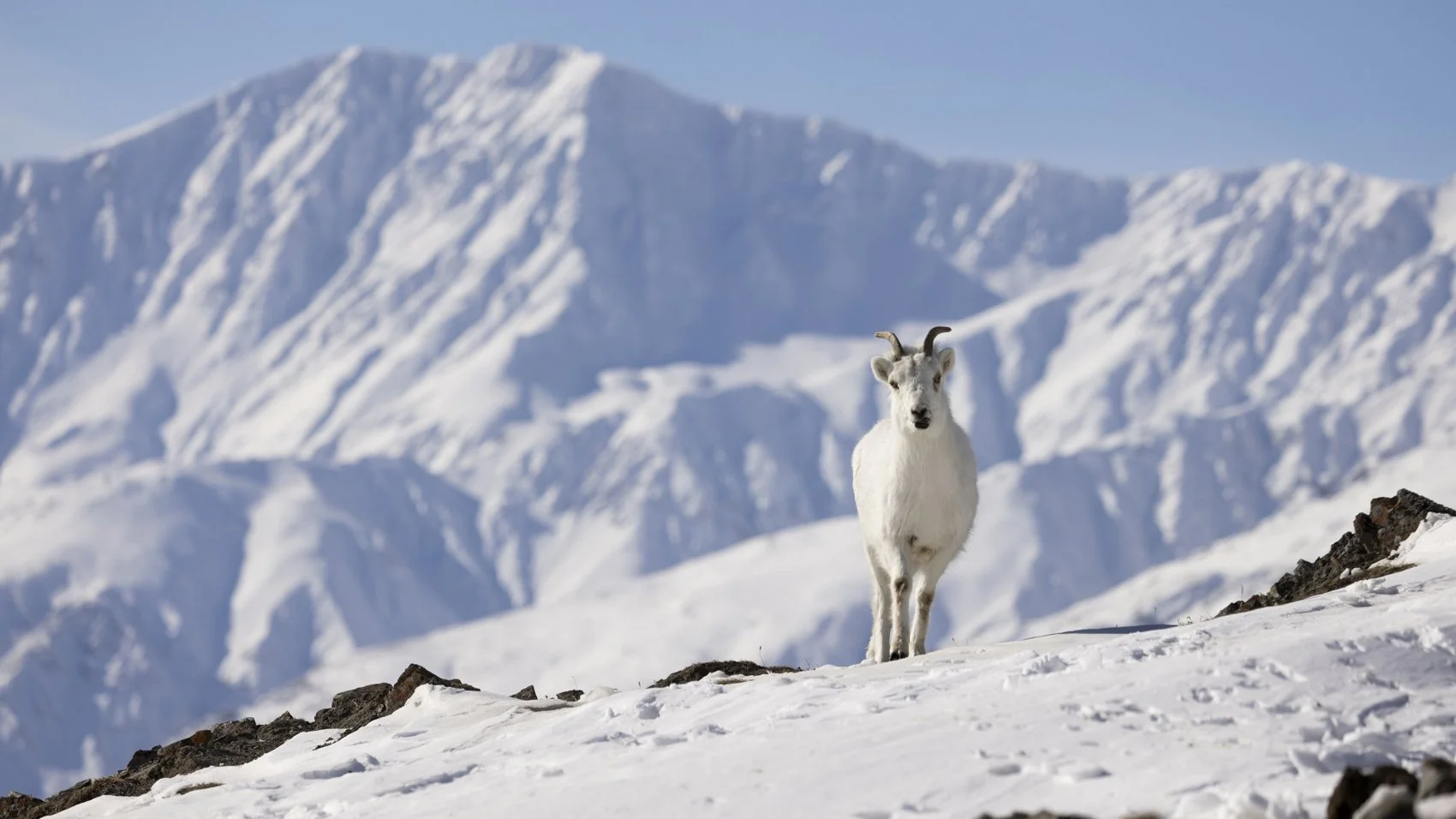
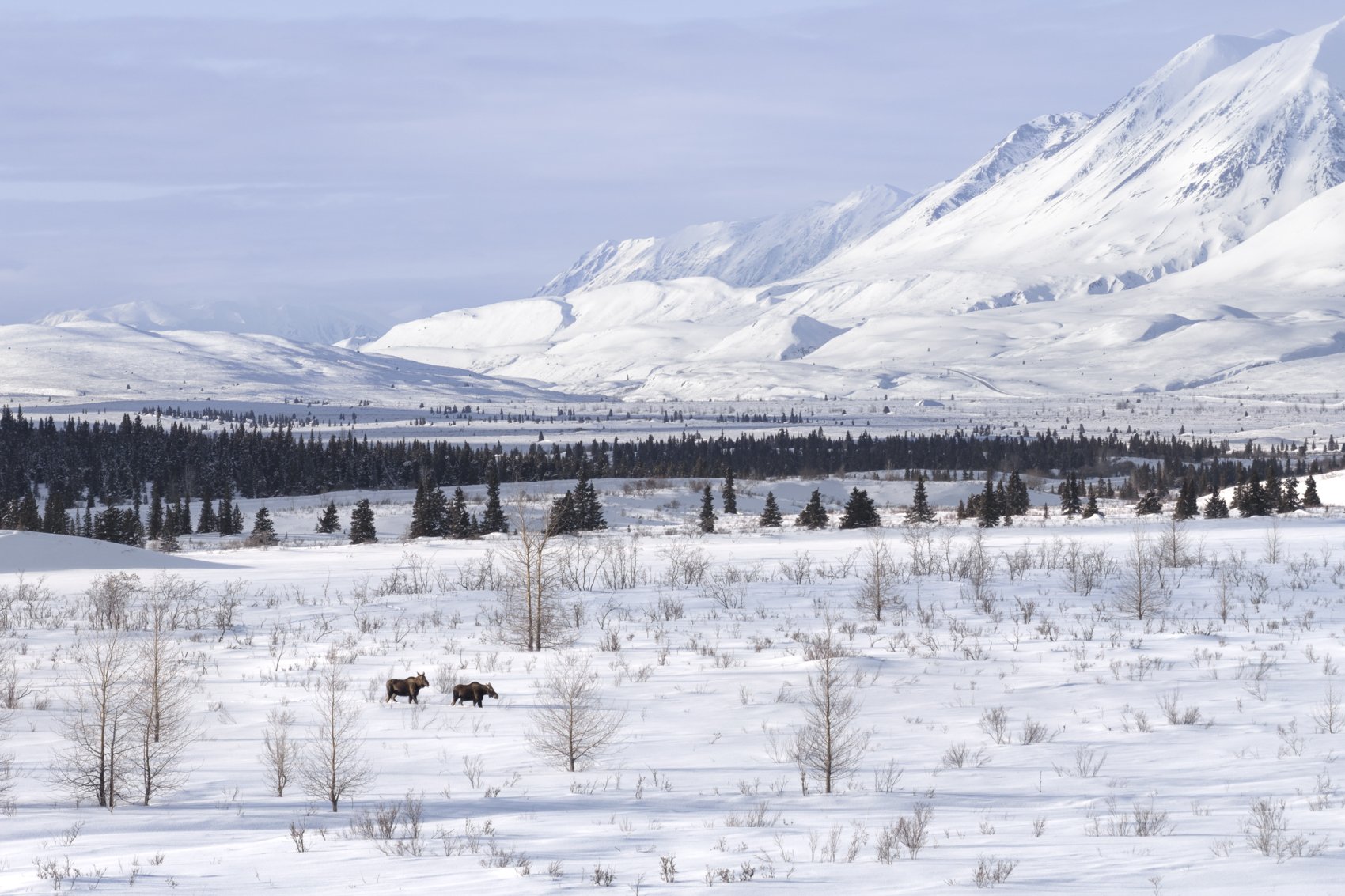
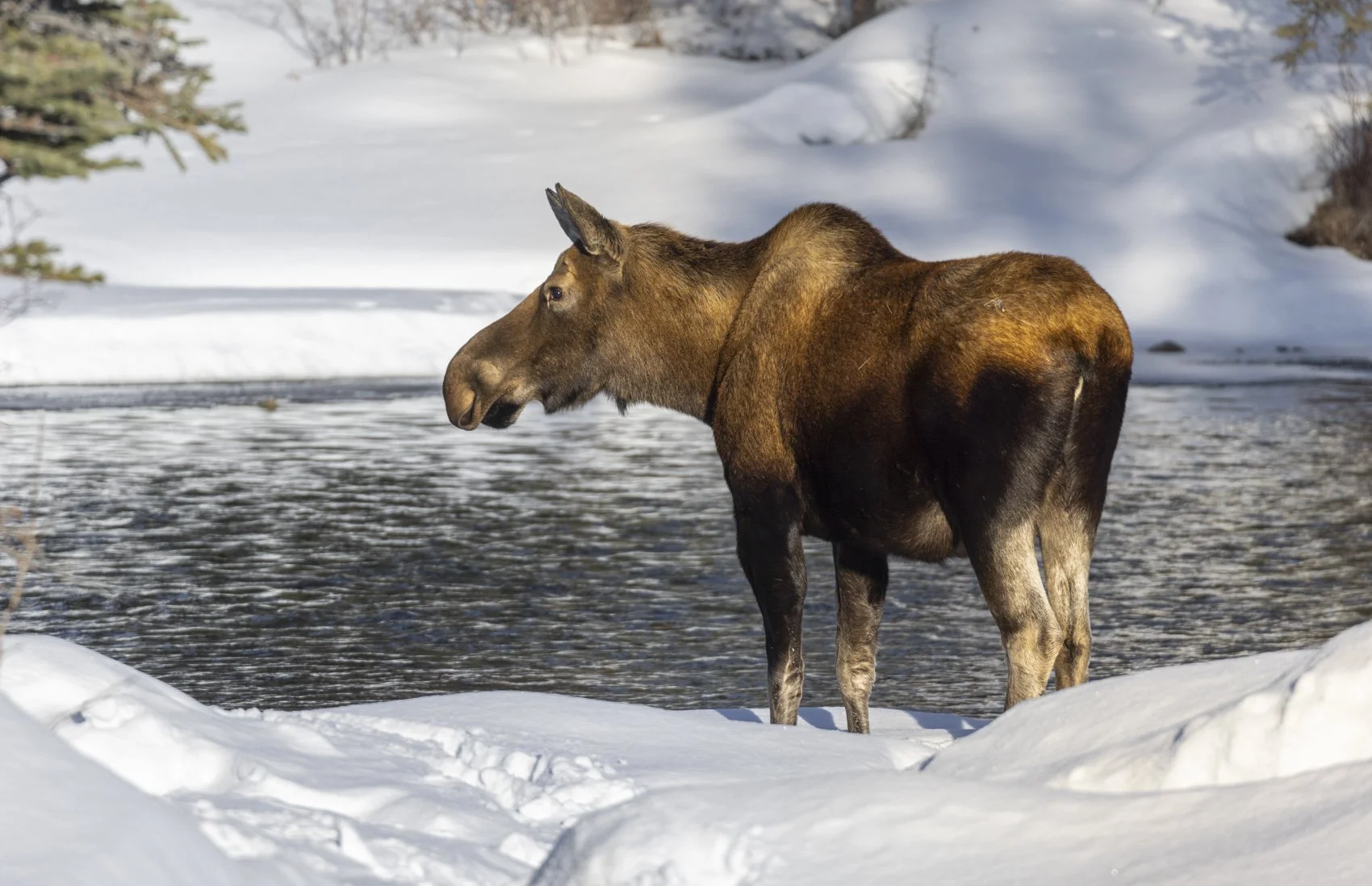
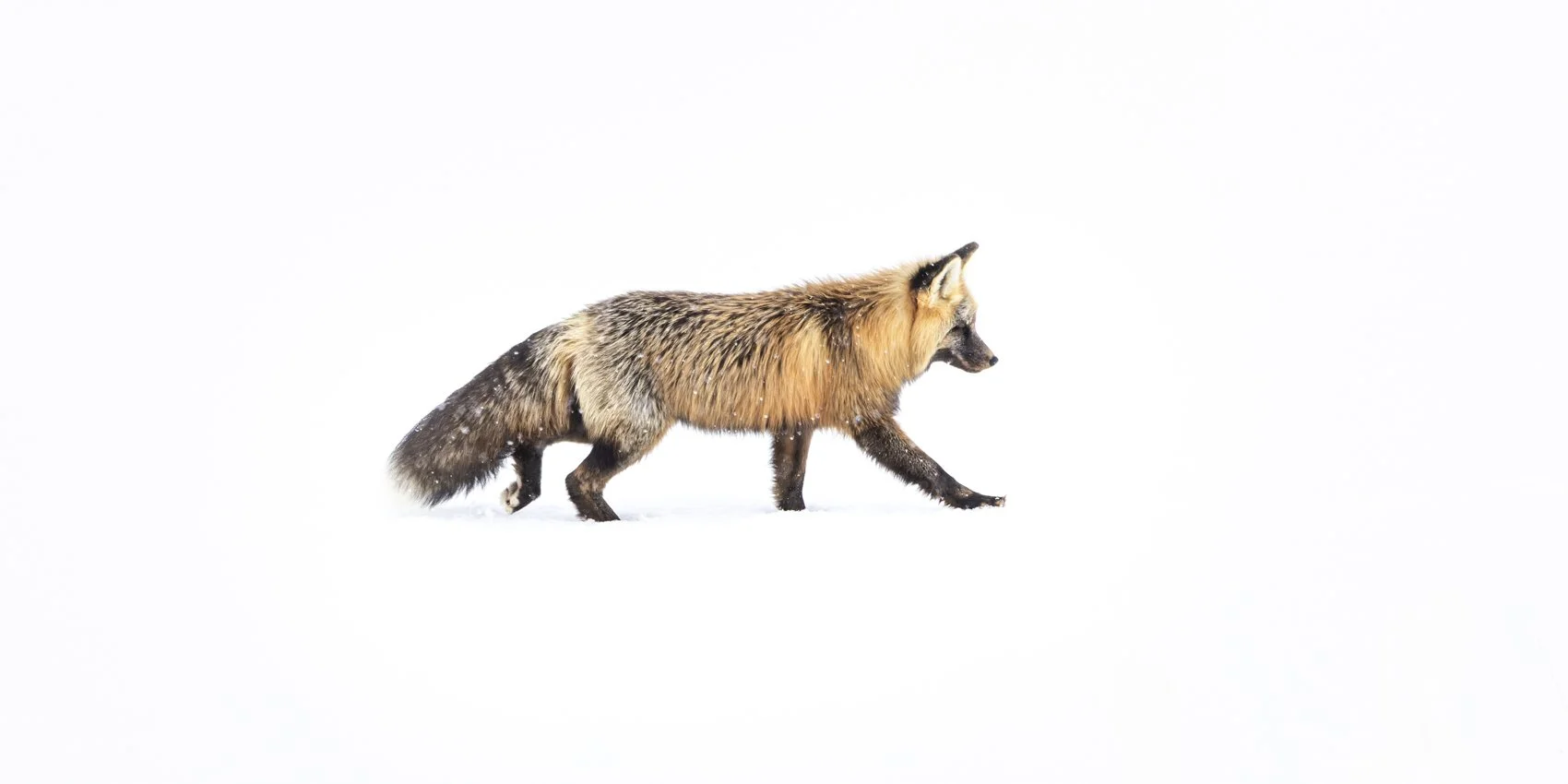
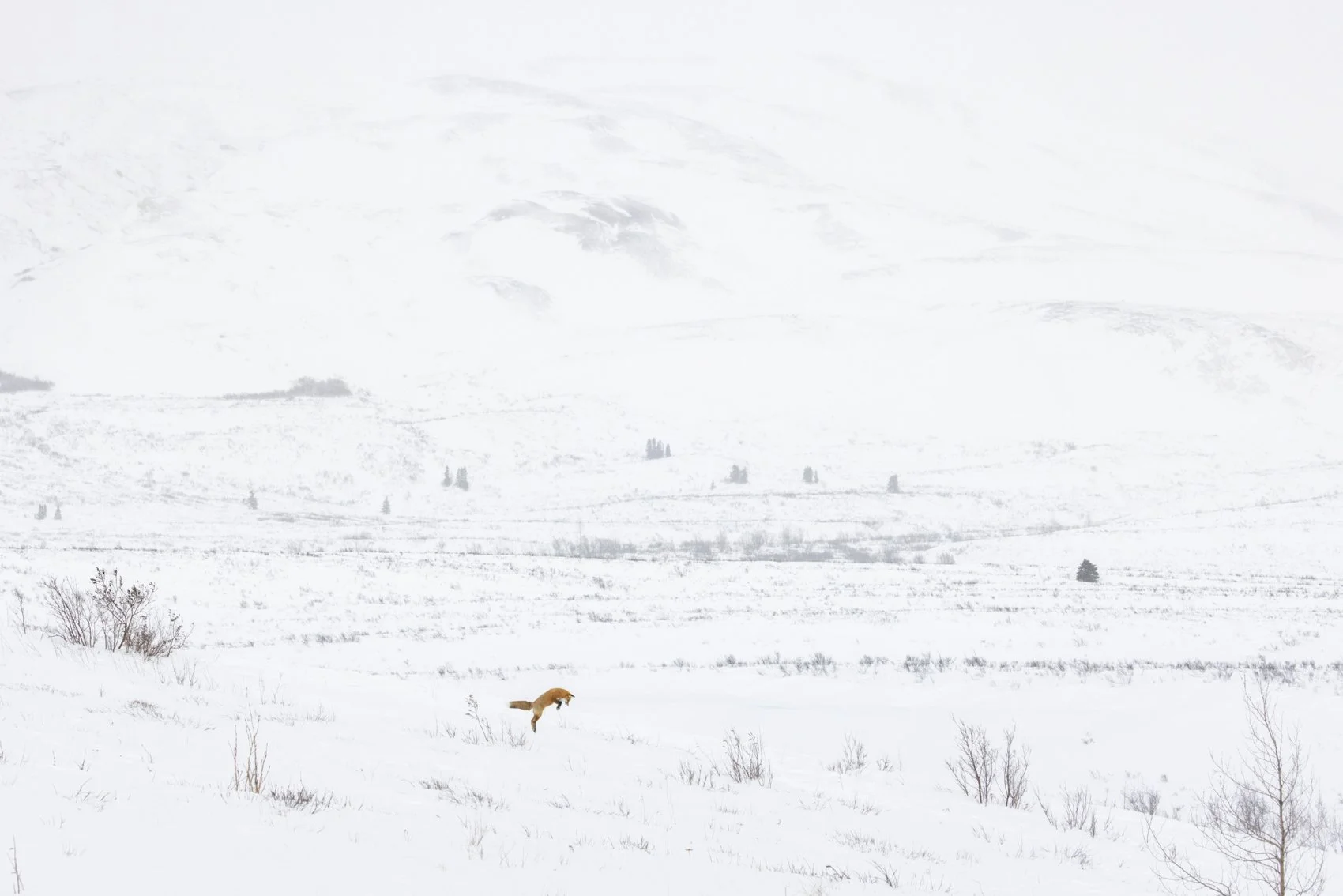
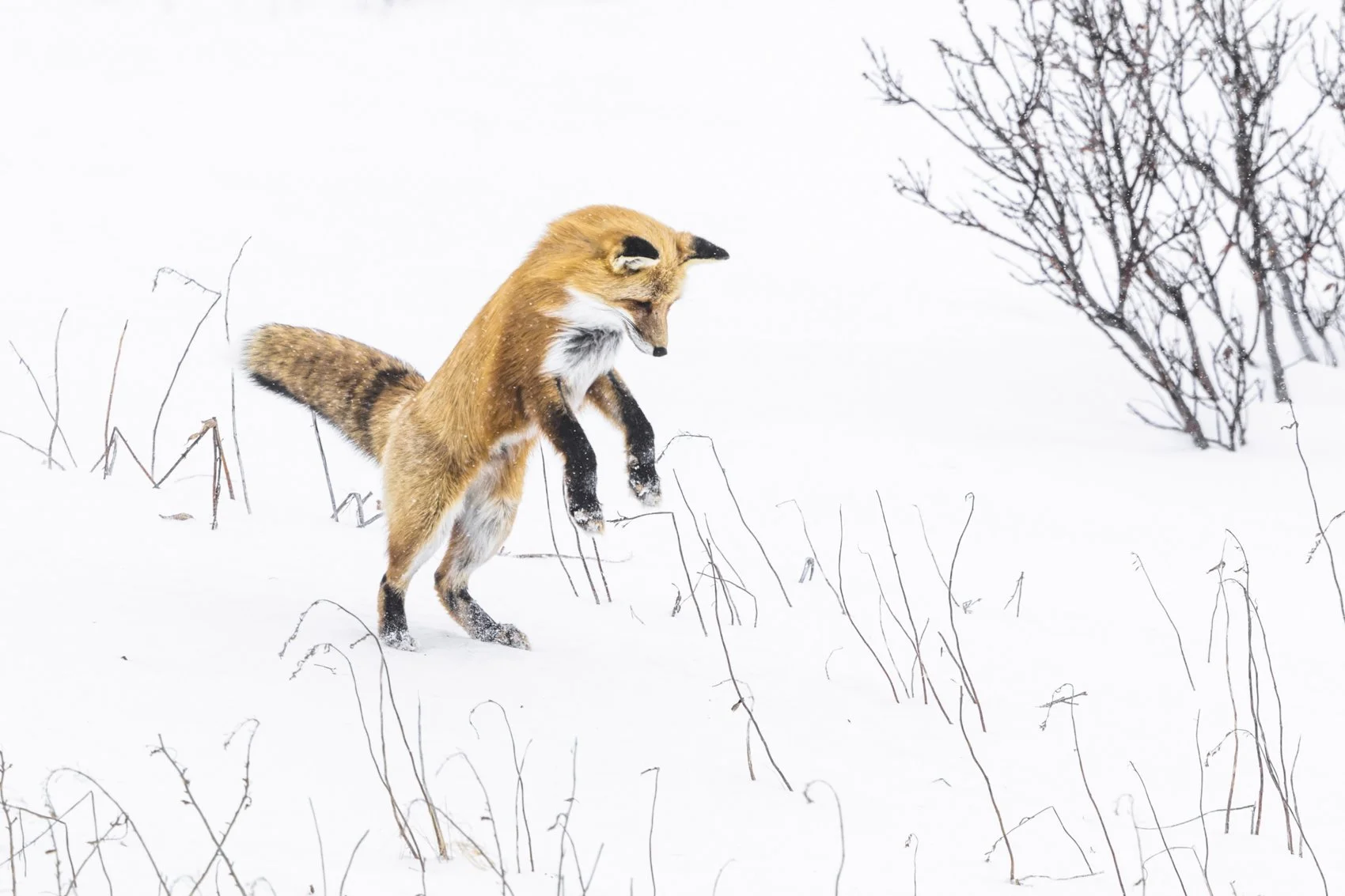
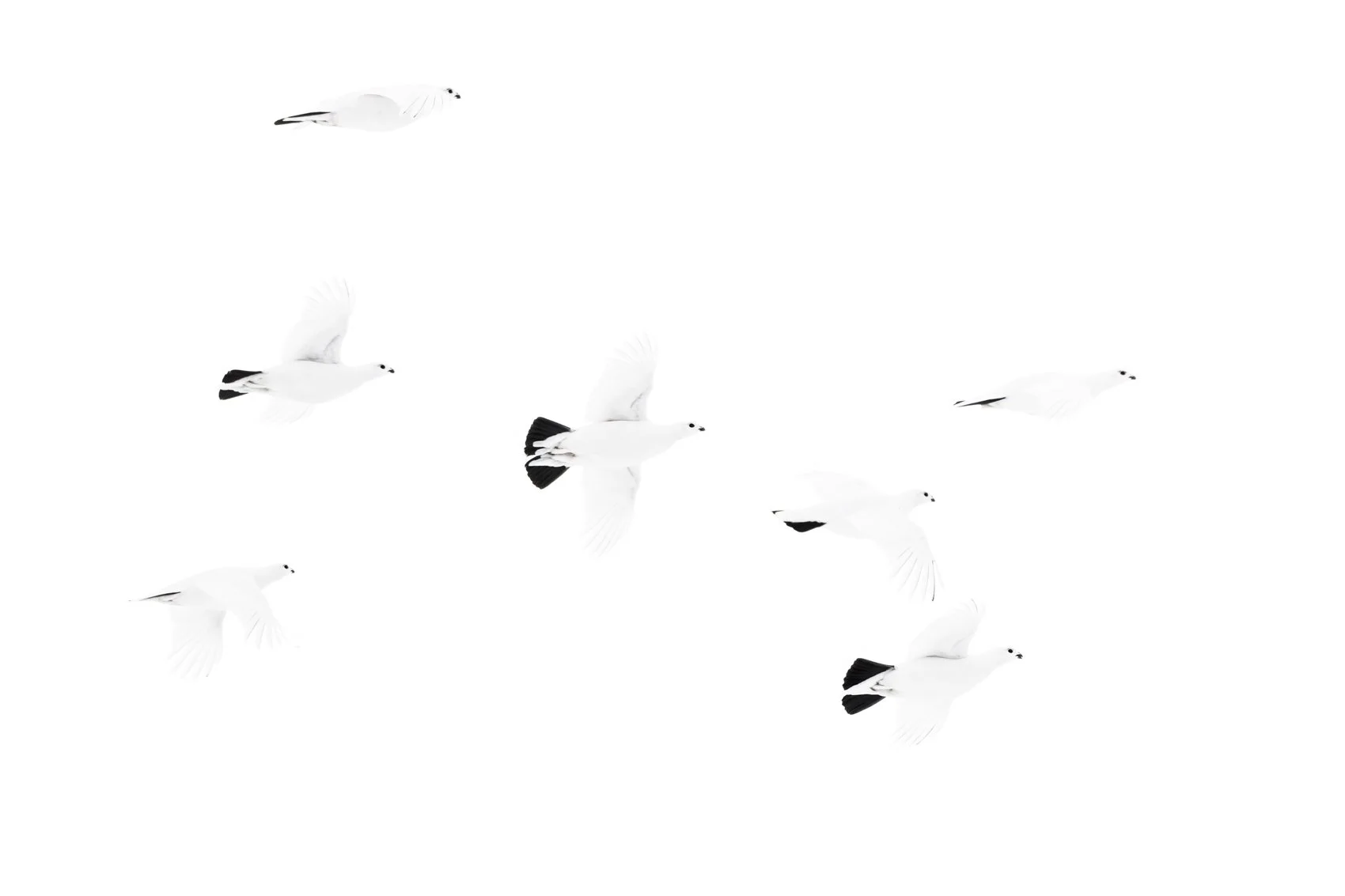
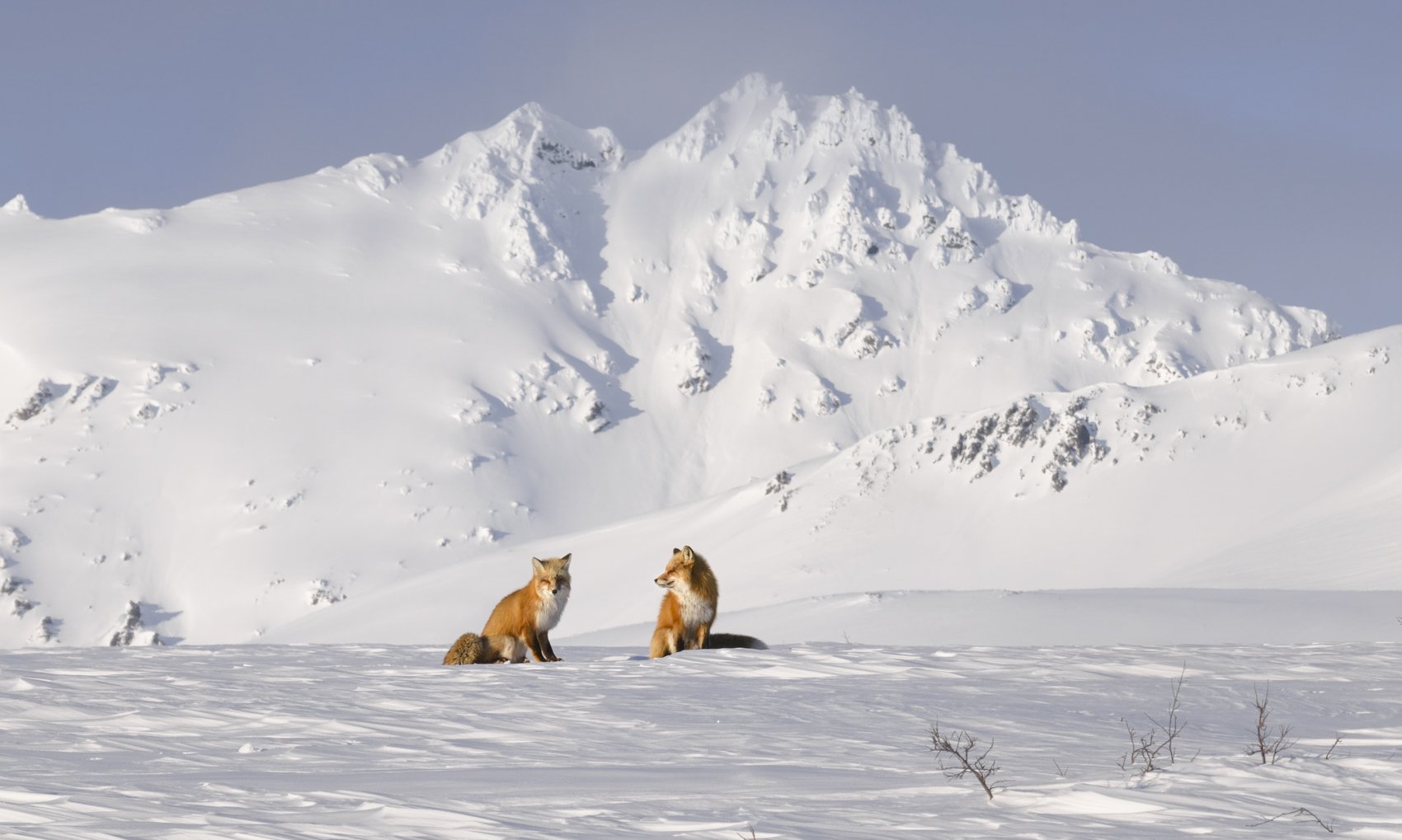
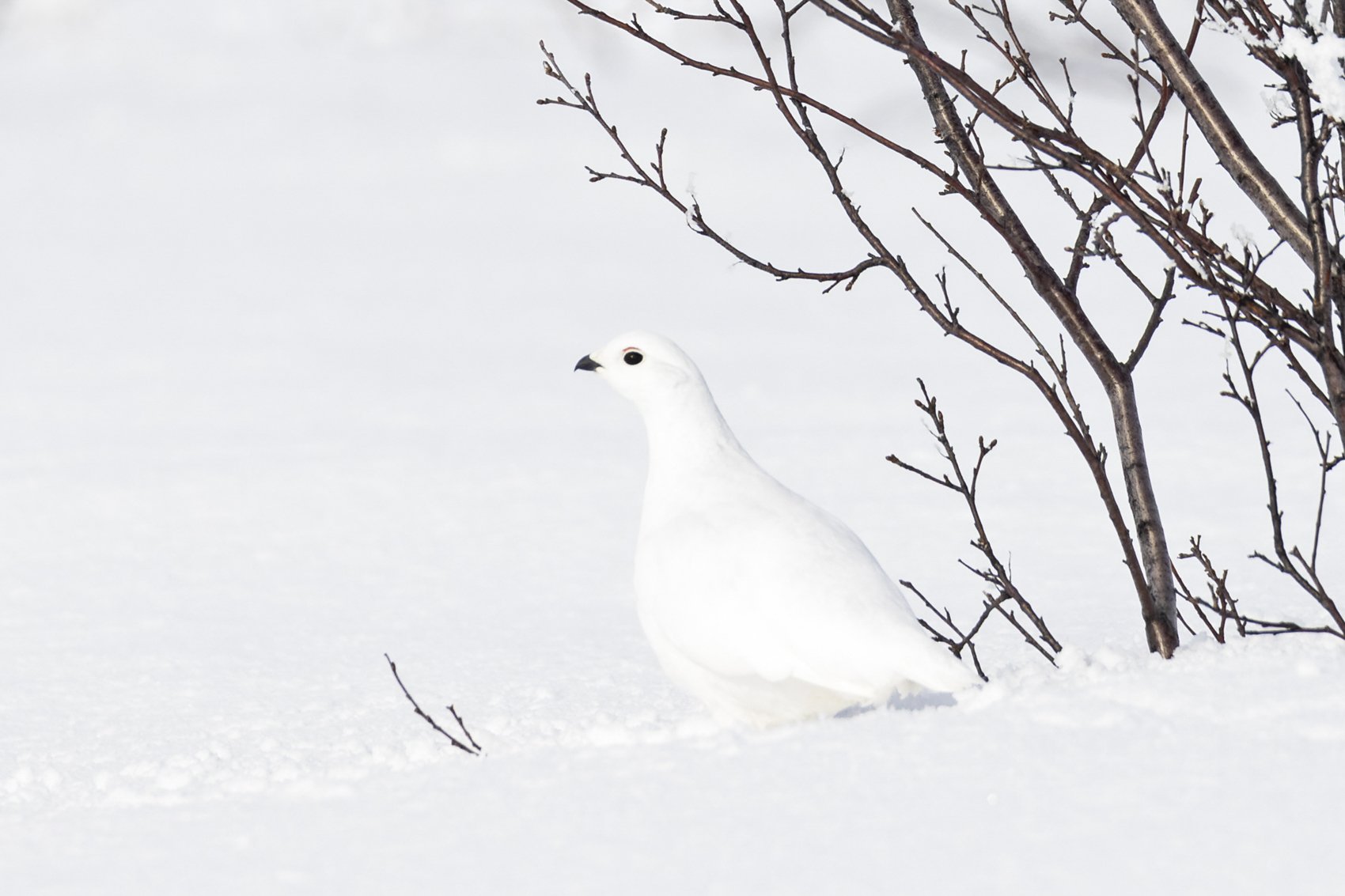
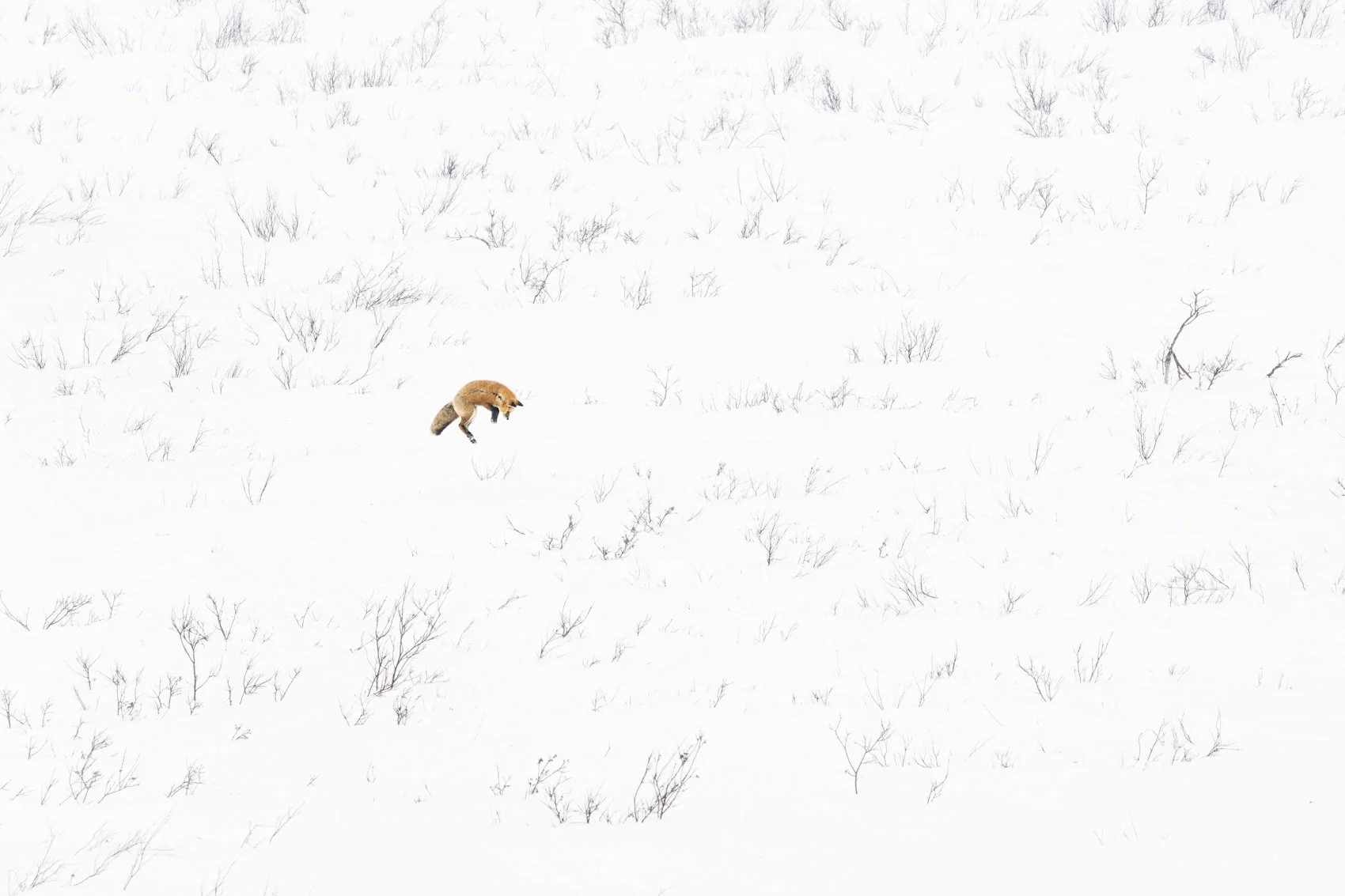
The snow-covered landscape makes for spectacular conditions for wildlife photography. With some effort, we could find Red Fox, Coyote, Moose, Dall’s Sheep, Willow Ptarmigan, and a variety of other birds. You never know what you might see! While not common, there are rarer animals around too, such as Canada Lynx. The snowy backdrops help the subjects stand out, and create beautiful bright lighting for photography. Additionally, the spectacular landscapes in this region can provide wonderful opportunities for environmental photos of wildlife, combining elements of landscape and wildlife photography into single, powerful images.
-
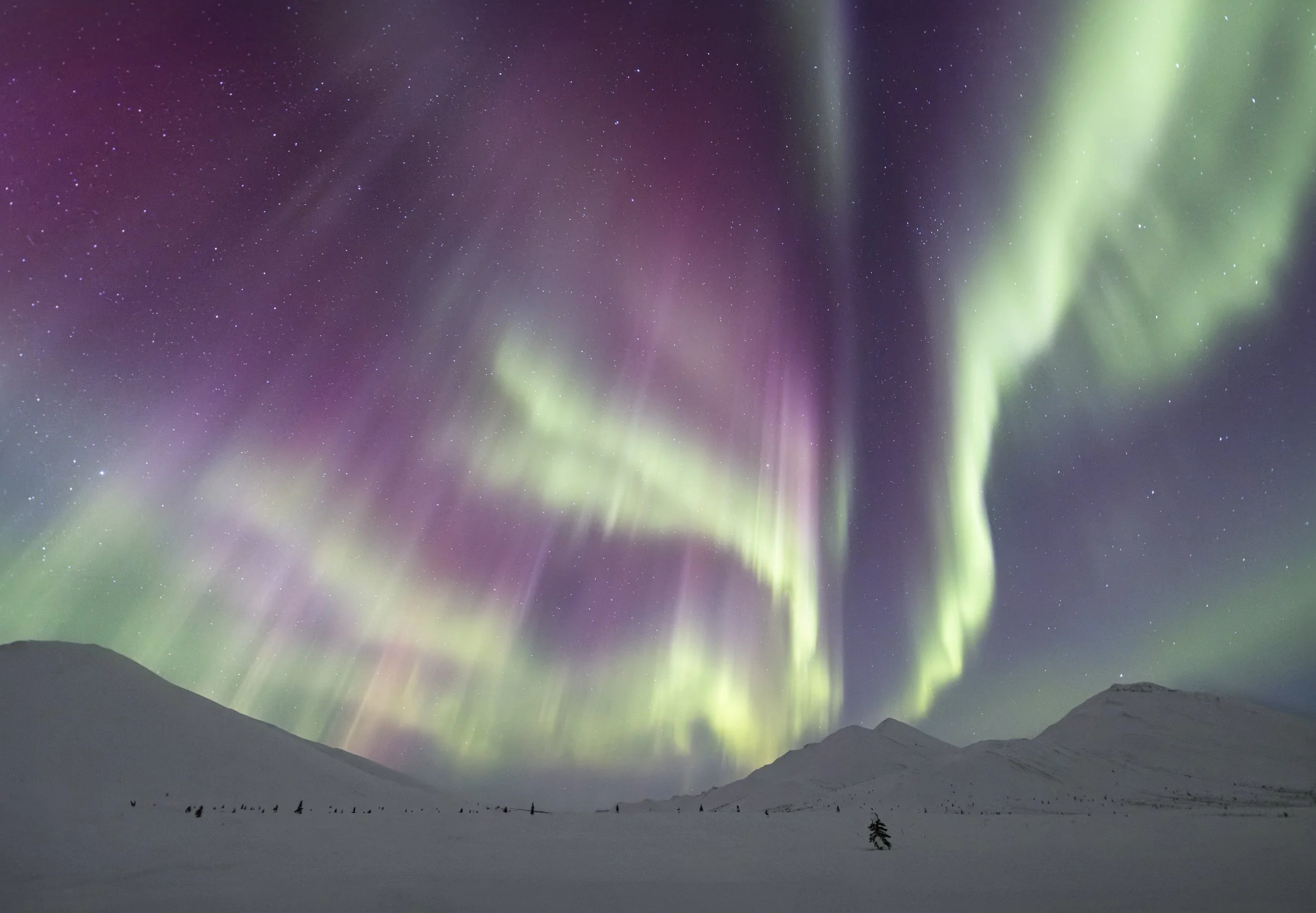
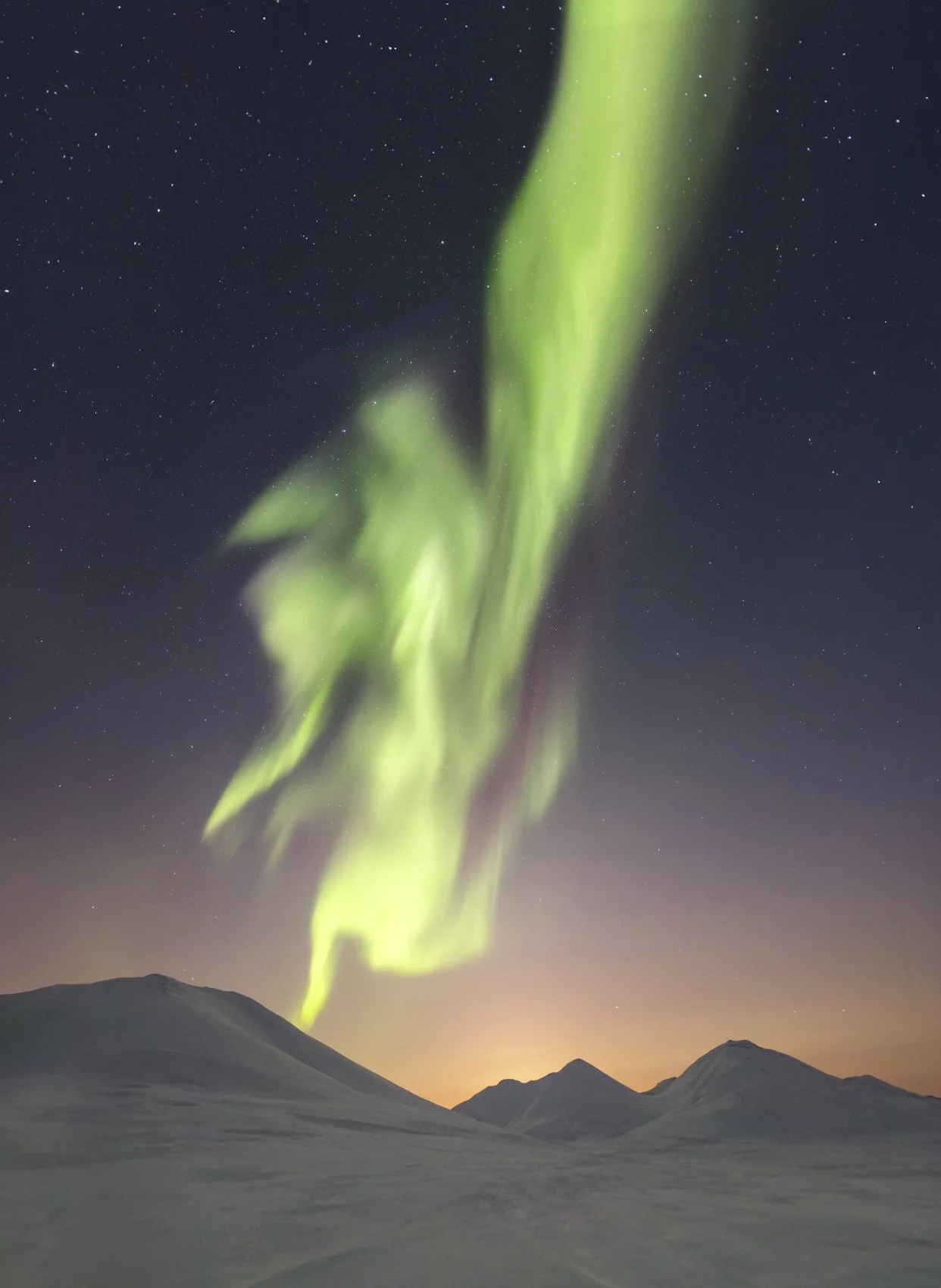
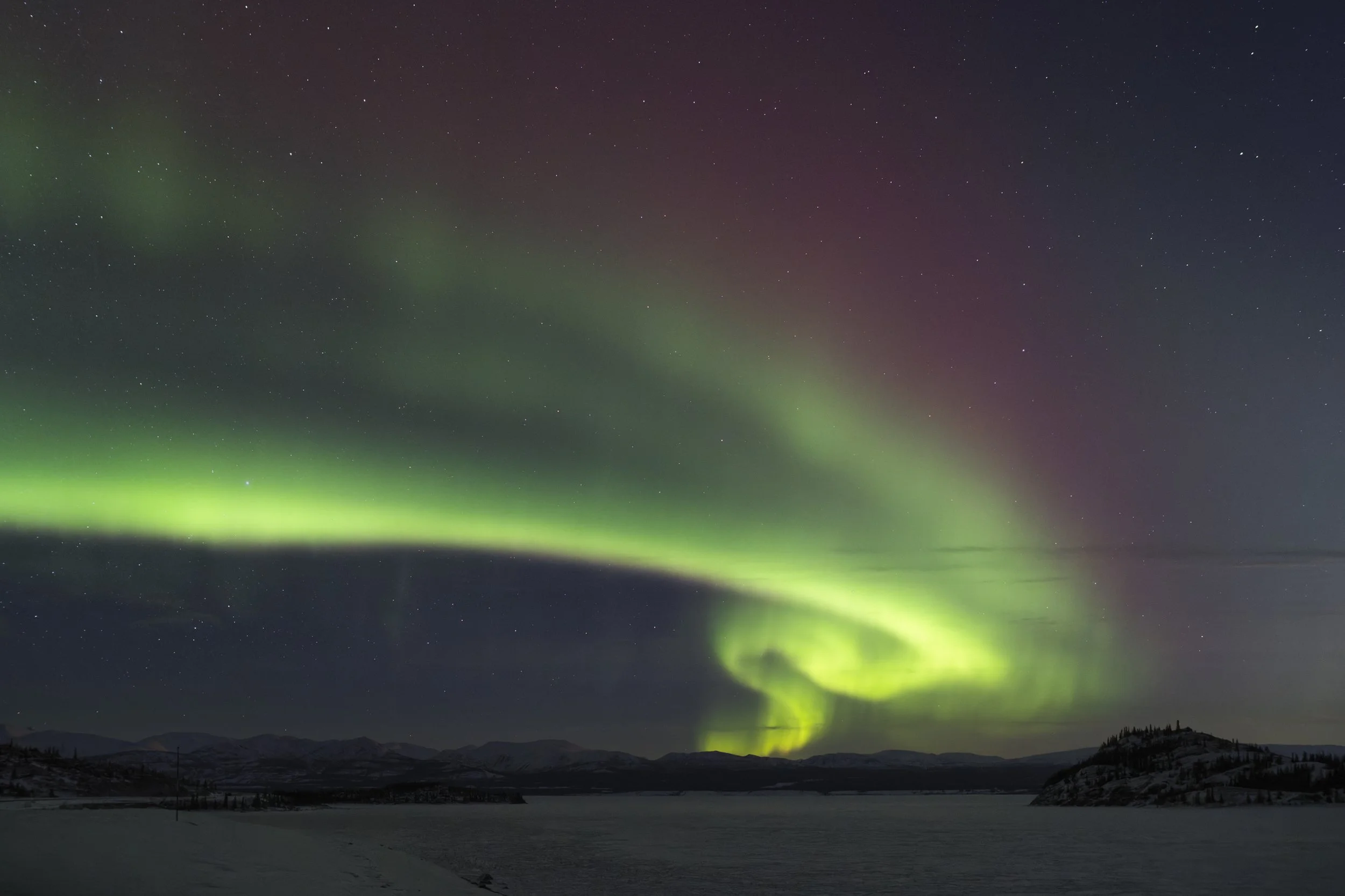
A chance to witness and photograph the northern lights
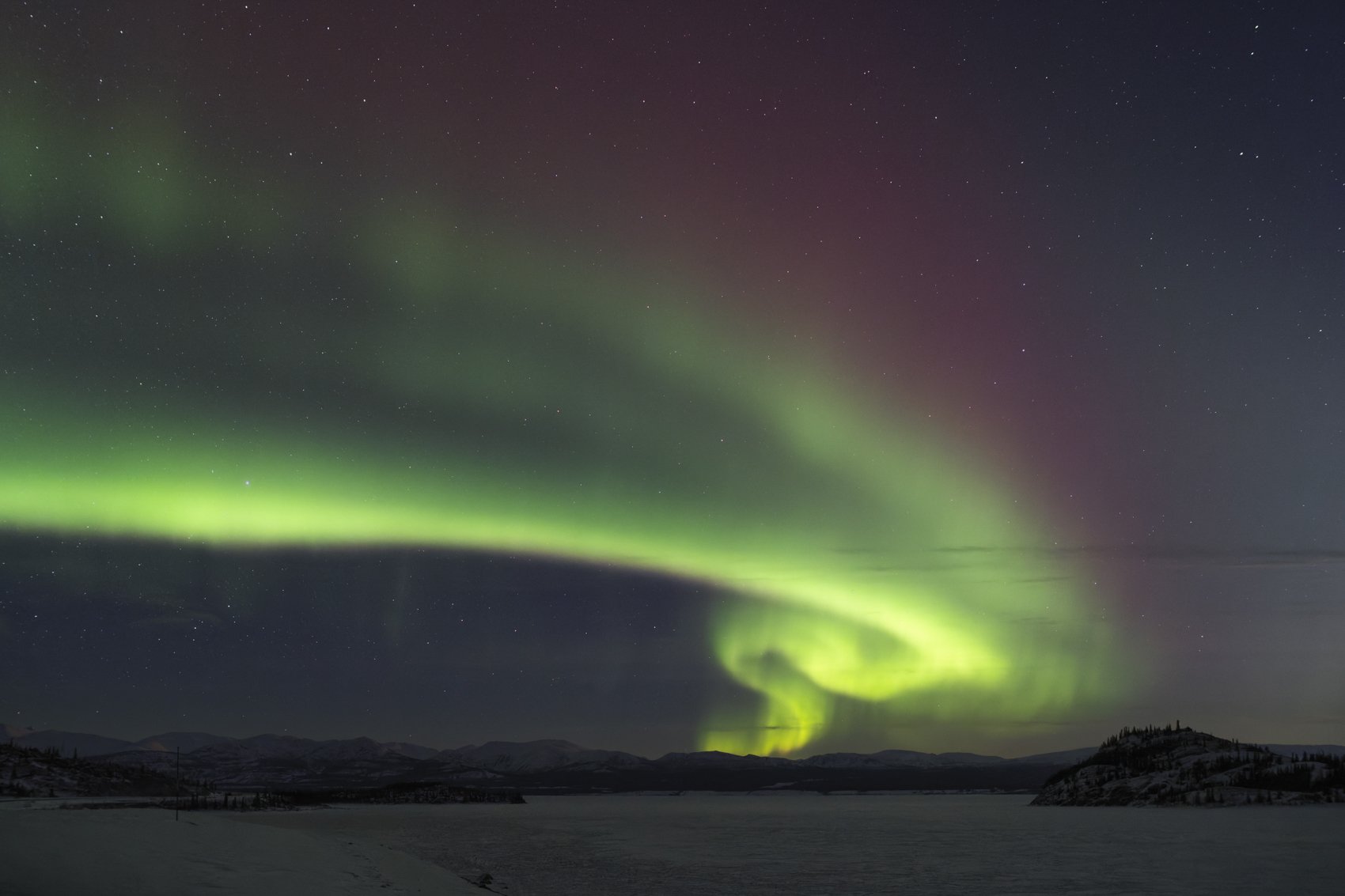
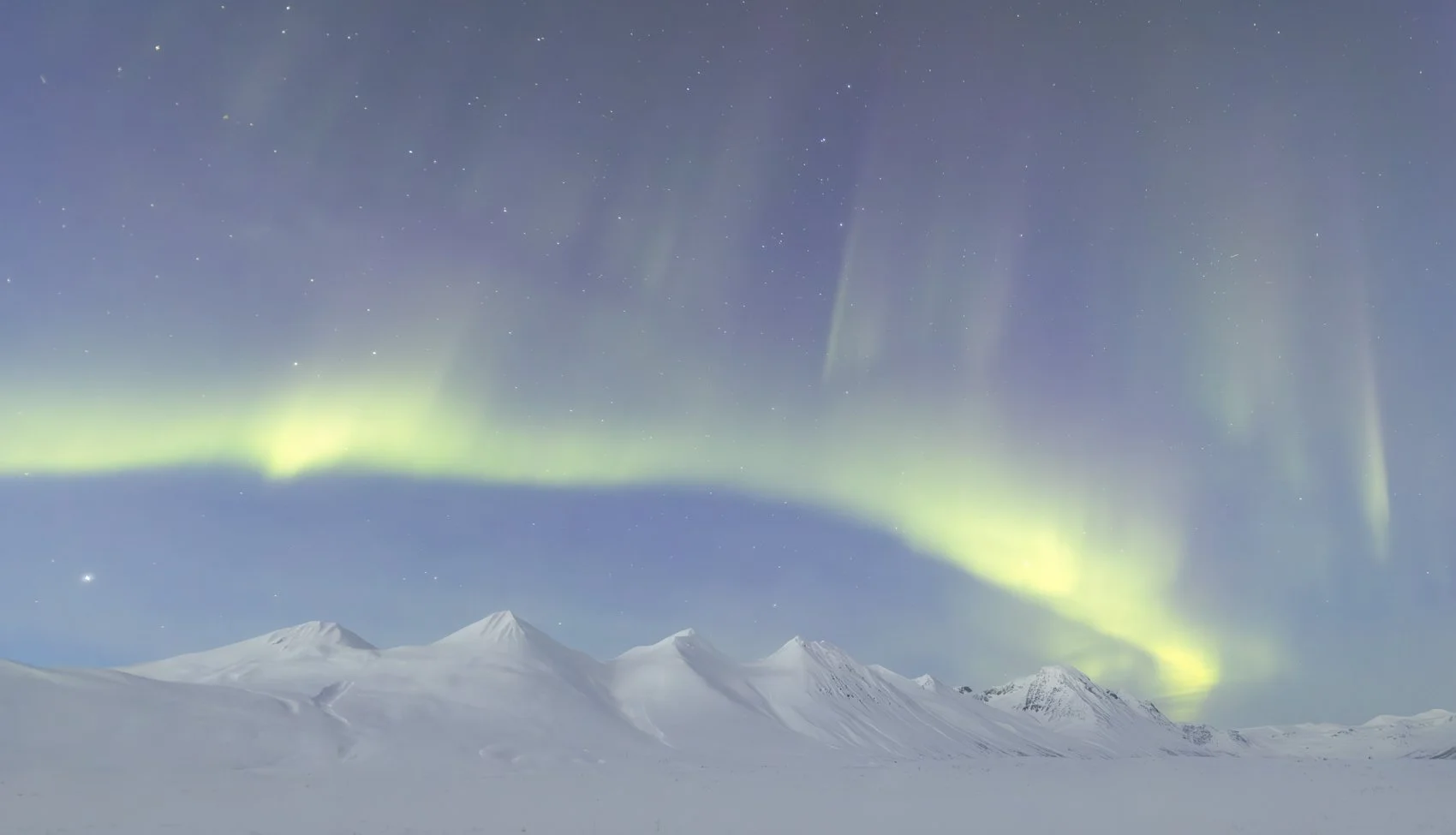
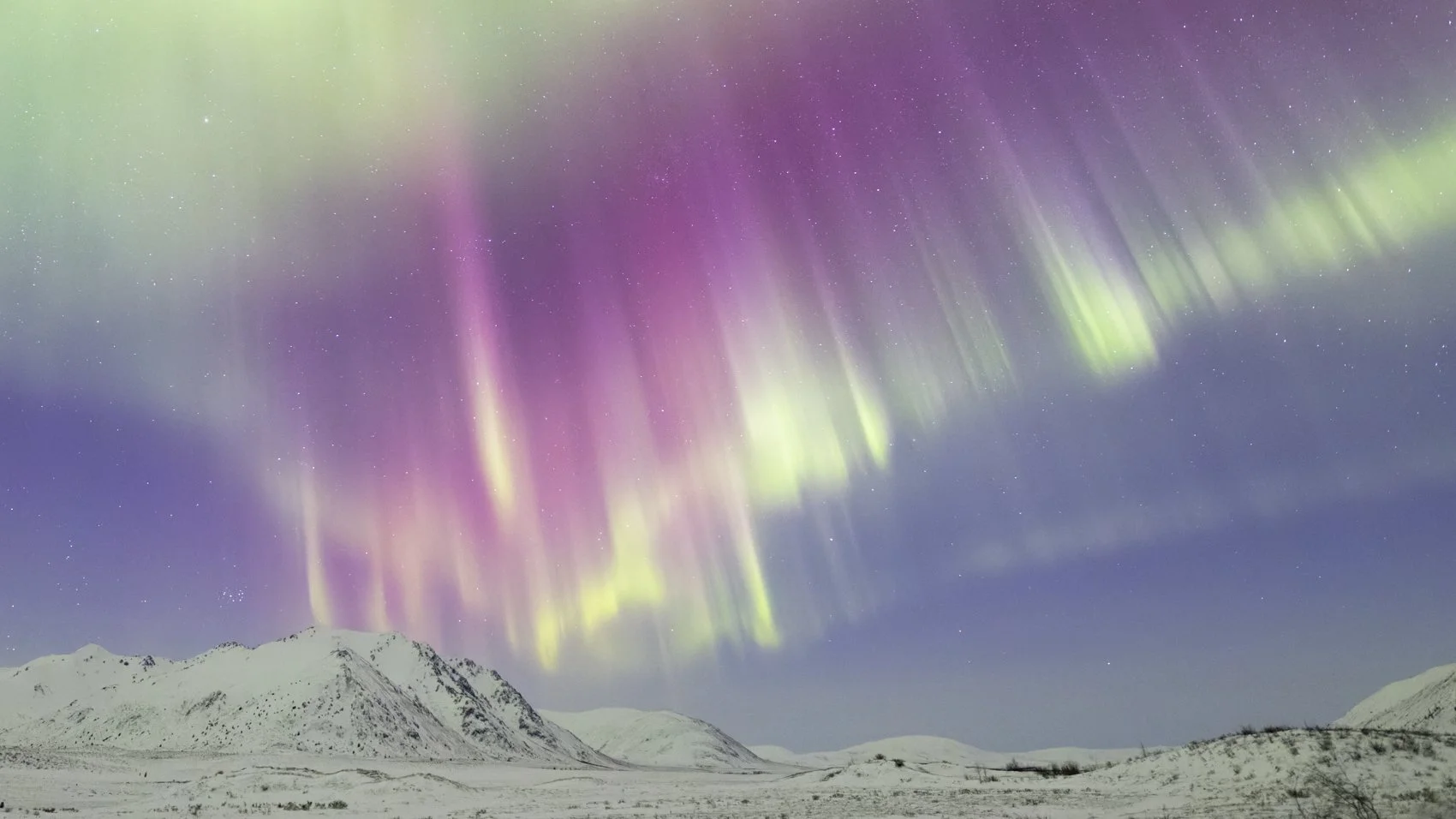
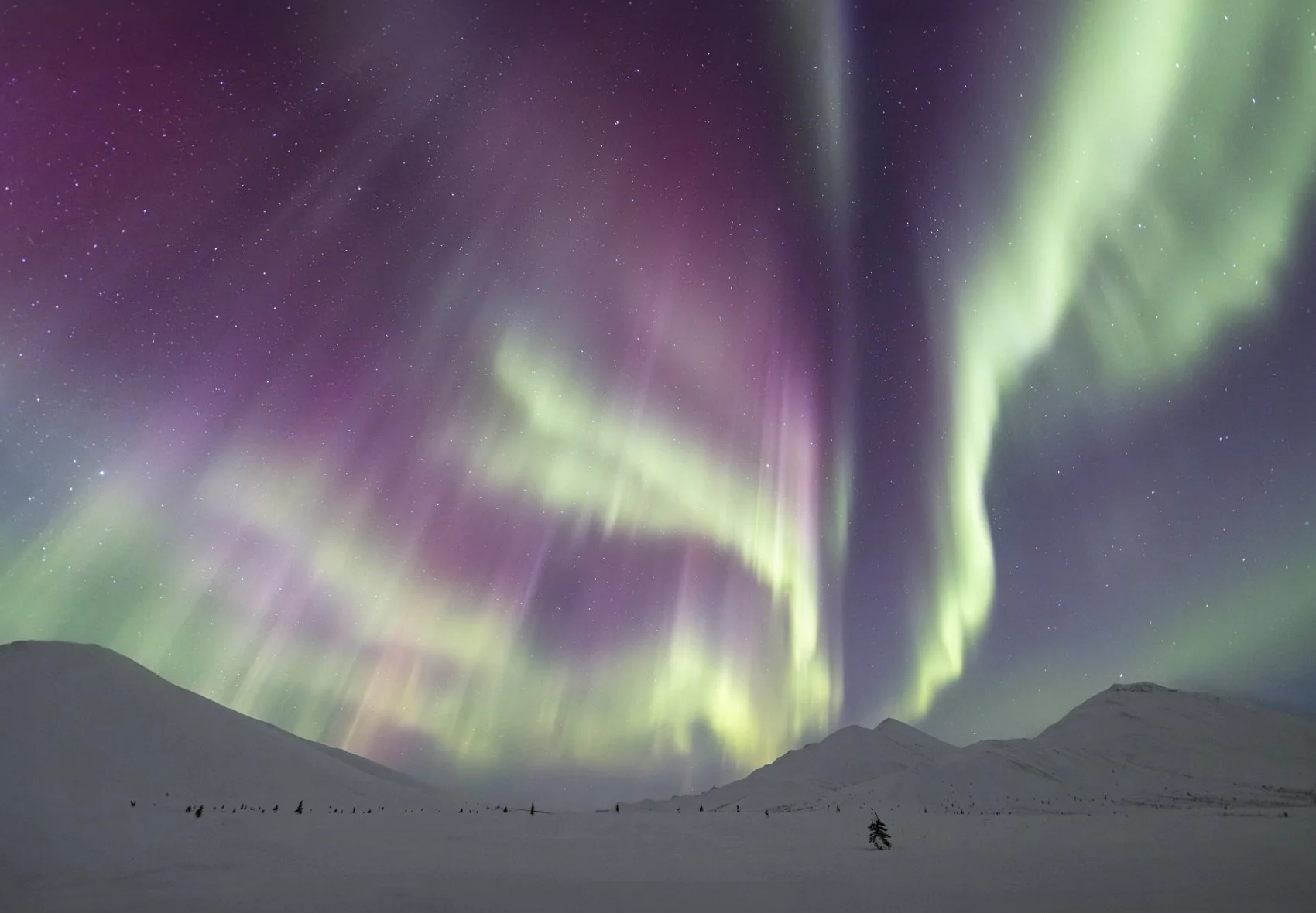
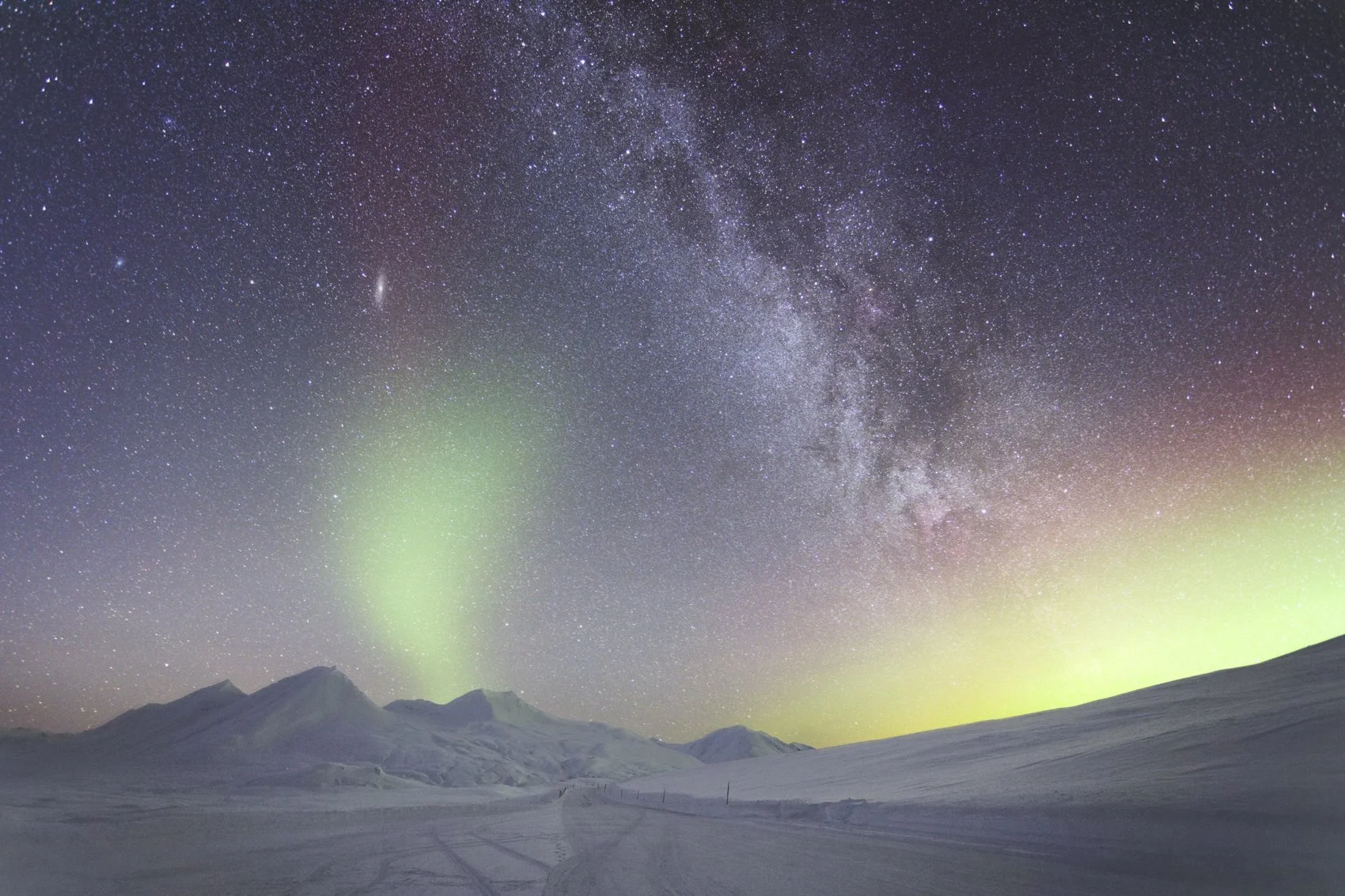
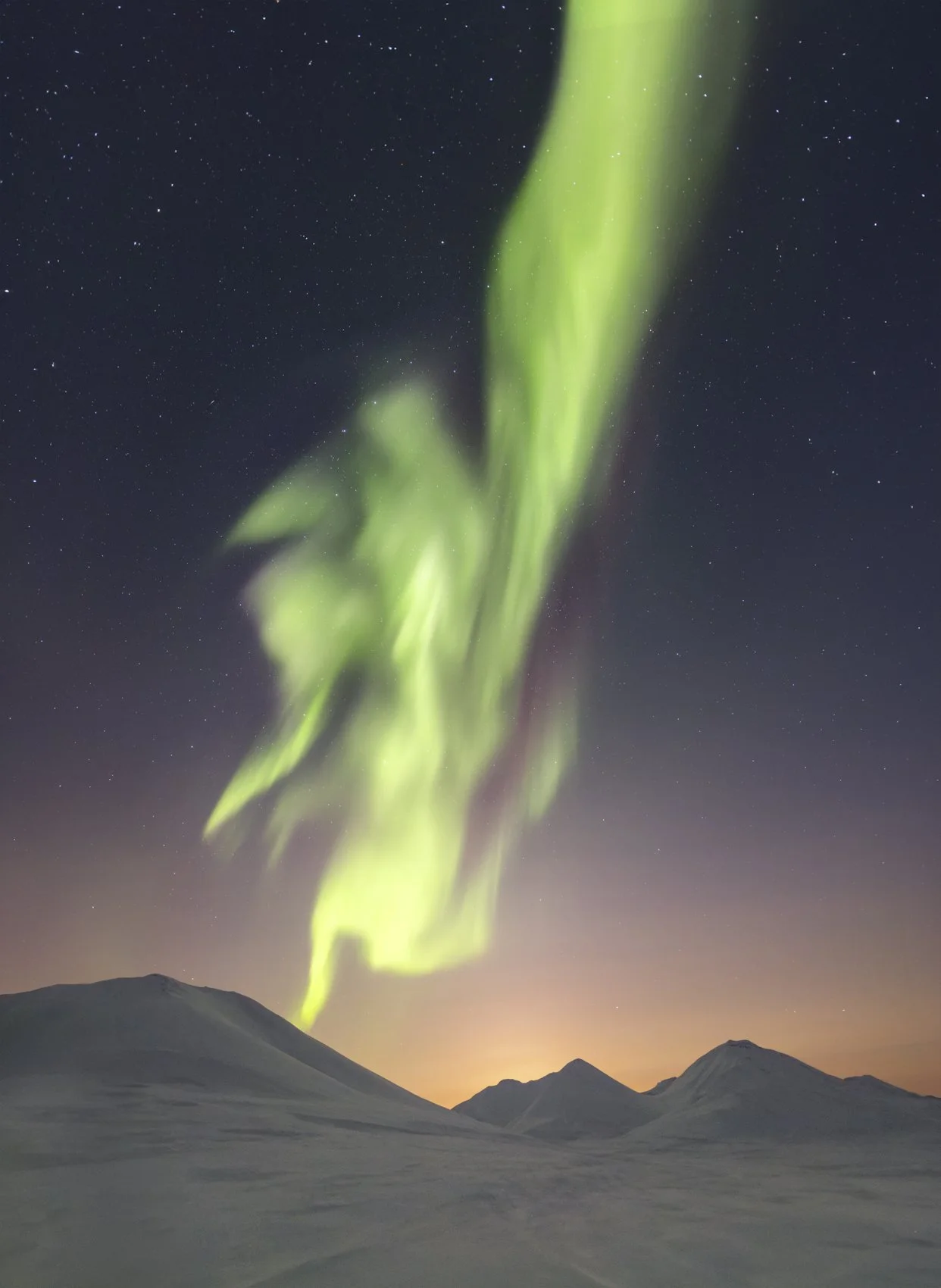
This tour brings us to the auroral oval, the region in the world where northern lights most regularly occur. Away from the city lights, we'll be well positioned with dark skies to have a beautiful view and wonderful photography opportunities of the northern lights, should the conditions align. We will be monitoring geomagnetic activity and weather conditions to maximize our chances! There will also be opportunities to learn about night sky photography settings, post-processing, and techniques.
Details
-
The tour fee is based on single occupancy (private rooms), and includes your hotel, all meals (including a private chef for a group for most of the trip), full time guiding, ground transportation during the tour, and more. A discount of $470 CAD ($345 USD) off of the above single price is available for double occupancy (shared accommodation). Of the 5 spaces on the tour, 3 are available as single spots, and 2 are available as a shared spot.
Tax is 5% GST. Credit card payments of the balance are subject to a 4% processing fee (other payment methods with no extra fees are available, such as e-transfer, mailed check, Zelle transfer, bank transfer, etc).
-
The booking deposit is refundable for 30 days after receipt, or up to October 1st 2026 (whichever comes first). The remaining balance is due by Dec 1 2026. A 50% refund will be issued for cancellations 60-90 days before trip. Refunds are not available for cancellations made within 59 days of the start of the trip.
-
This is a small group trip with a maximum of 5 participants.
-
These dates are specifically selected during a time of year that provides a nice balance of daytime and nighttime photography opportunities, with 12 hours of daylight. March also allows for less average cloud cover and warmer average weather conditions than earlier in the year, while still having beautiful winter conditions.
-
Our trip will begin and end in the Yukon’s capital city of Whitehorse. From there, we’ll head a few hours to the west, into the St. Elias Mountains.
Important Trip Information
During this trip, we will get a chance to explore an incredible part of the world, with some amazing landscape and wildlife photography opportunities. We may also be spending time in cold conditions, often far away from emergency services. Participants attending this trip should be prepared for the cold weather conditions, and remoteness of the tour location.
While we will be well situated to have a high chance of seeing and photographing the Northern Lights, it’s important to note that nature is unpredictable- there is never a 100% guarantee that aurora and weather conditions will allow for great viewing. We will however do everything we can to get the best chances! There is always a slight chance that extremely poor weather conditions can limit time spent in the field, though this is unlikely at this time of year.
On four nights during this trip (all nights except for the arrival and departure nights in Whitehorse), we’ll be staying in a rental home, chosen for it’s good layout, and prime location. For guests, there are 3 private 1-person bedrooms available, as well as 1 shared bedroom for two people (for a couple, friends, or two guests who agree to share a room with two separate beds (bunk bed style). Everyone will be sharing 2 bathrooms in the home. We’ll have a chef as well, who will cooking meals for us during our stay.
If you have any questions about what to expect on this tour, please don't hesitate to send a message!
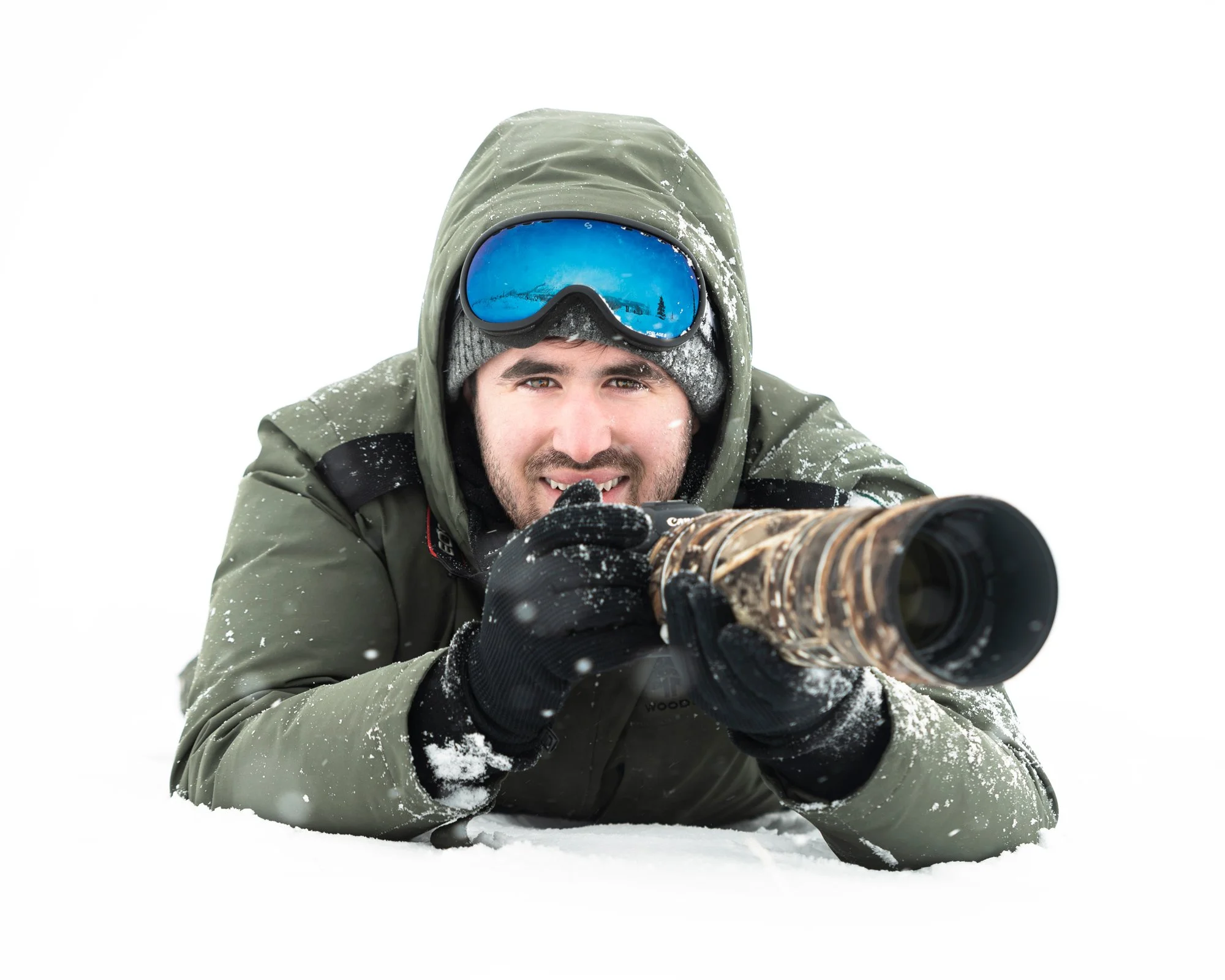
Meet your guide: Liron Gertsman
You may have seen him on CBC’s “The National”, heard his voice on CBC Radio One, or seen his work in publications such Canadian Geographic magazine, The Guardian, GEO magazine, and others. Liron Gertsman has been observing and photographing the natural world continuously since he first got his hands on a borrowed pair of binoculars and a camera at the age of five. His work has been experienced by millions in some of the largest museums across the world, including the Natural History Museum in London and the Smithsonian in Washington DC. Liron uses his tours and imagery to educate on the importance of preserving and protecting the natural world for the continued health and existence of all who live on our planet.
As a naturalist and photographer, he feels it is his duty to show people the essence of Earth, by thinking outside the box to create unique experiences and eye-catching images that connect people with nature. Liron’s work has been widely recognized and awarded, winning the professional category of the 2022 and 2024 Audubon Photography Awards, winning the grand prize of the 2023 and 2025 Audubon Photography Awards, earning NASA’s “Astronomy Picture of the Day” feature, and earning a highly commended designation in the prestigious Wildlife Photographer of the Year competition. In 2025, Liron was named the Bird Photographer of the Year by the prestigious competition. Bringing over 15 years of experience to his tours, Liron uses his intimate knowledge of bird and wildlife hotspots to craft the best experiences possible. Liron has ornithological training from the Cornell Lab of Ornithology and Birds Canada, and has a biology degree from the University of British Columbia.
Itinerary
-
We will meet at our hotel in Whitehorse, Yukon, and get to know each other over dinner as we discuss the plan for the exciting week of photography that awaits! If conditions are good, we may head out after dark to try for northern lights. Night in Whitehorse.
-
We’ll make our way out of Whitehorse, heading a couple of hours to the west towards Kluane National Park and into the St. Elias Mountains.
-
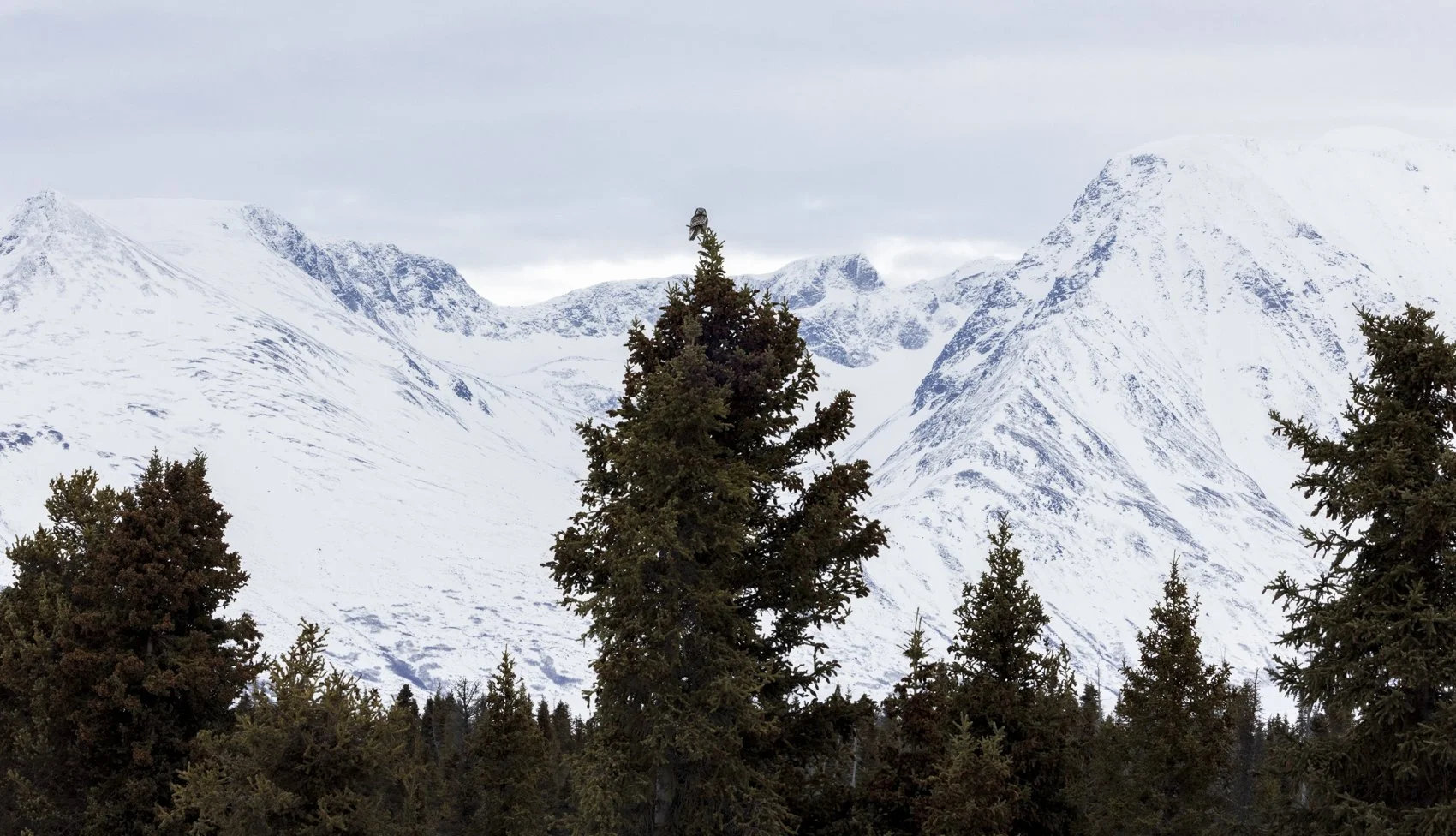
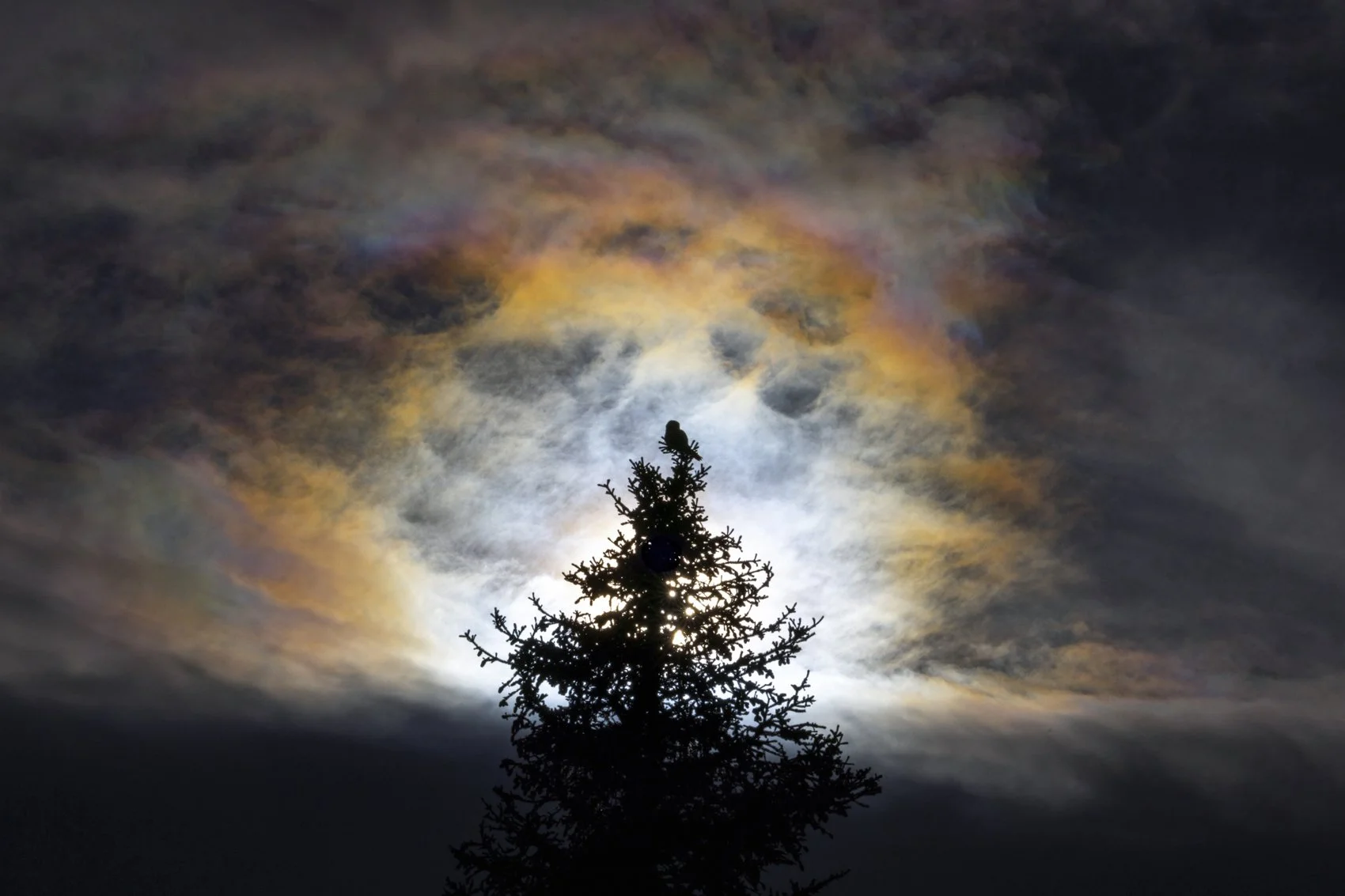
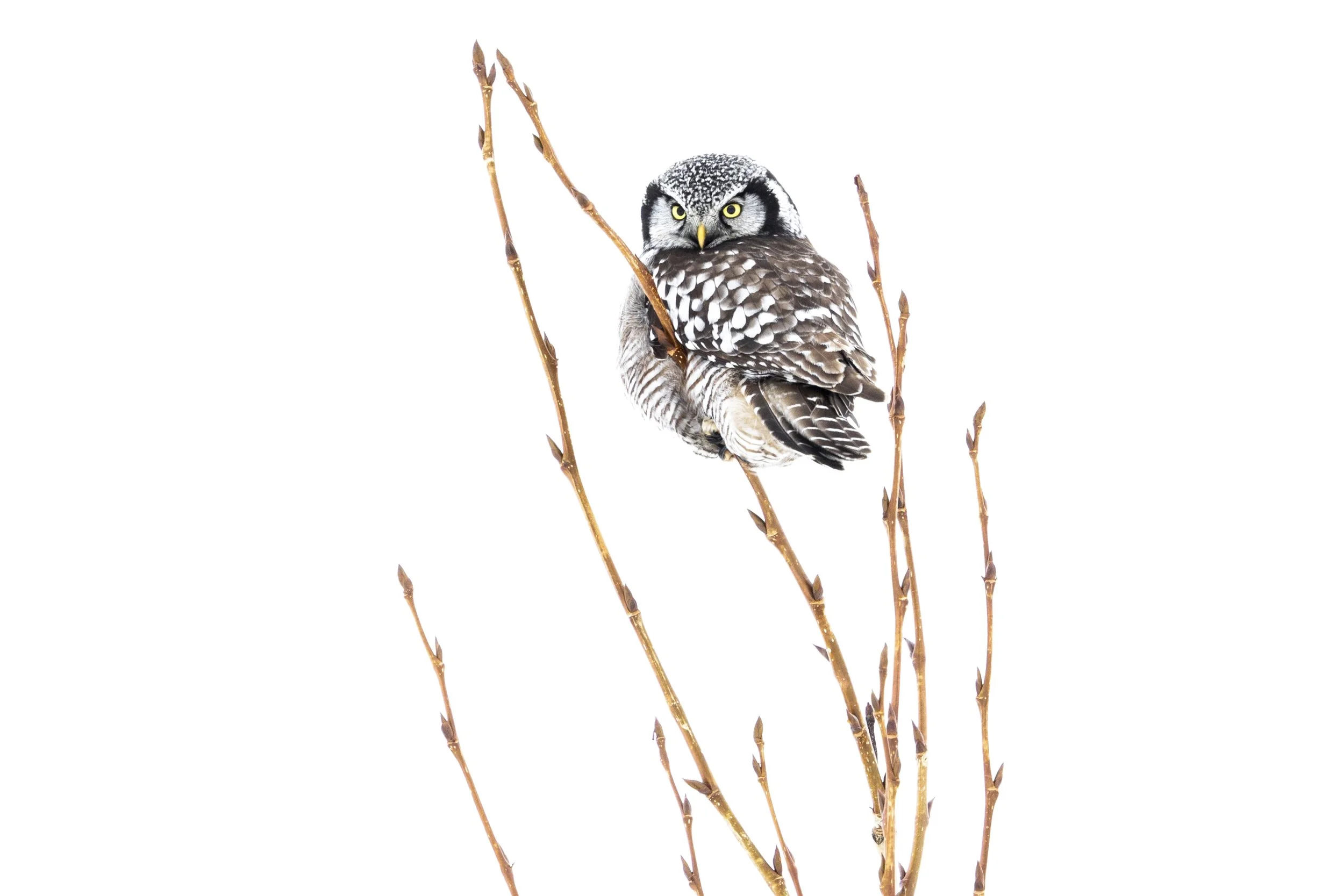
We’ll have 3 full days to explore the beautiful region around Kluane National Park, and the “Haines Triangle” of northwestern British Columbia. We’ll explore mostly by vehicle, but could go for some short walks depending on the weather. Here, we may encounter Red Fox, Coyote, Moose, Dall’s Sheep, Willow Ptarmigan, Northern Hawk Owl, and other wildlife species that survive her through the winter months. In addition to the wildlife, we’ll be surrounded by spectacular mountains with amazing landscape photography opportunities all around. When geomagnetic and weather conditions allow, we’ll do some photography after dark, with hopes of capturing the northern lights. We can even photograph them right from our accommodation, a large private rental home!
-
We’ll have another day in the mountains, before heading back towards Whitehorse for the night.
-
We’ll have one final opportunity to discuss the highlights of our trip over breakfast in Whitehorse, before our tour comes to its conclusion.
Limited spaces are available - register for your spot!
Additional FAQs
-
In late March, the average daily high temperature in the areas we’ll visit is around -5 to +1 degrees Celsius (23 to 34 F). The average low is around -15 to -10 degrees Celsius (5 to 14 F). However, more extreme temperatures are possible- it is good to be prepared for conditions down to -20 C (-4 F), or in much rarer circumstances, down to -30 C (-22 F). Wind can also make temperatures feel colder than they actually are. If we do get precipitation, snow is of course most likely. Weather can be unpredictable, so we recommend being prepared for temperatures that could be significantly colder and/or warmer than historical averages. At most times this trip, we'll be close to a heated vehicle or other warm area.
-
Limited physical activity is required, as most of our photography will be done in close vicinity to our vehicle. Occasional walks of up to 1km (in snow) may take place, if weather and trail conditions are reasonable, and could include some hills.
-
The trip cost includes all guiding and transportation during the tour, all food (including a private chef for our group during much of the trip), and all accommodation during the tour.
The cost does not include travel to the start and end location (Whitehorse), alcoholic beverages, and trip insurance.
-
In Whitehorse (on the first and last night of the trip), we’ll be staying in a hotel. Near Kluane National Park, we’ll be staying in a private rental home, with 3 solo guest rooms (single occupancy) and 1 guest room for 2 (double occupancy). There will be 2 bathrooms shared by our group.
-
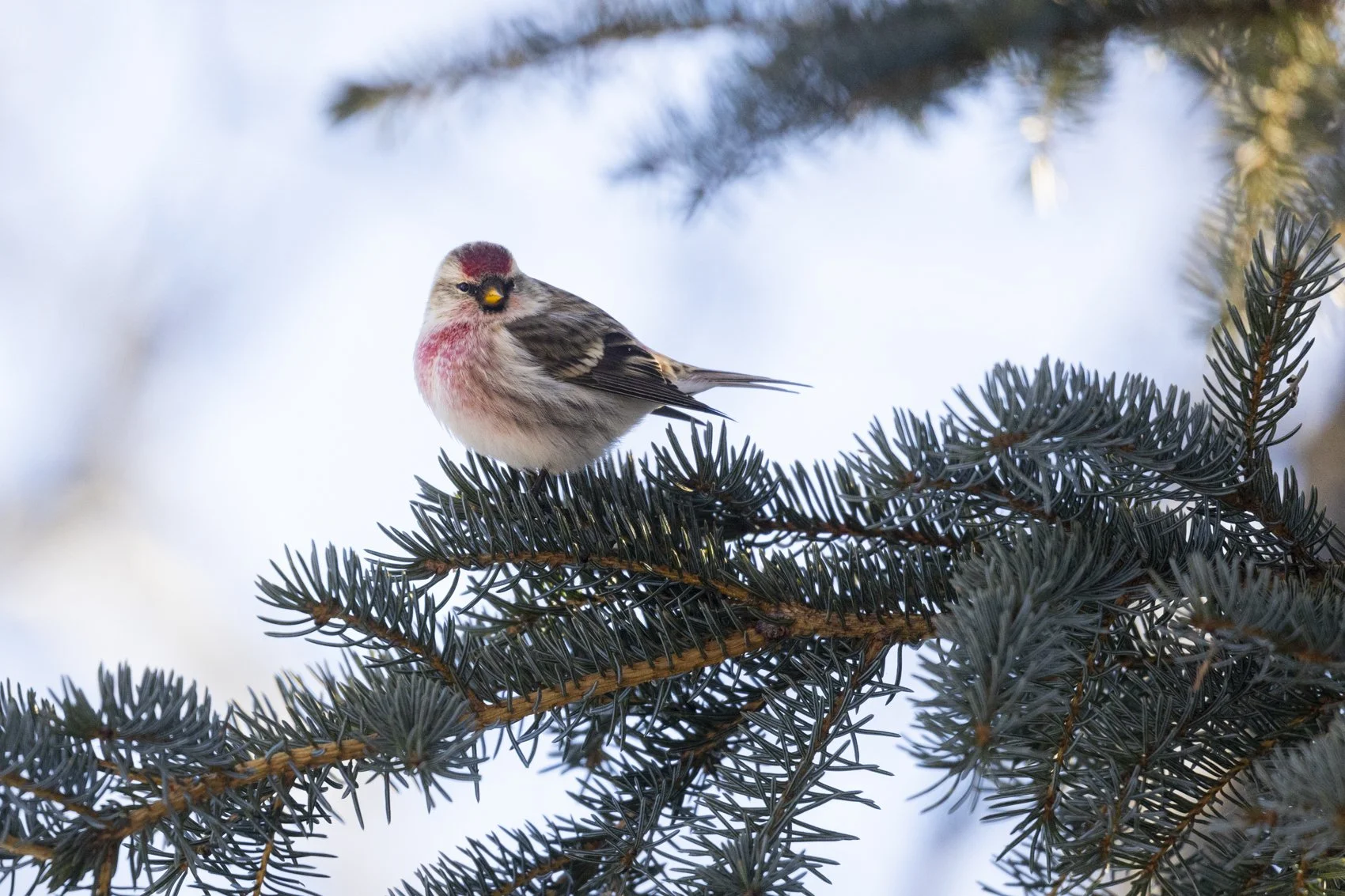
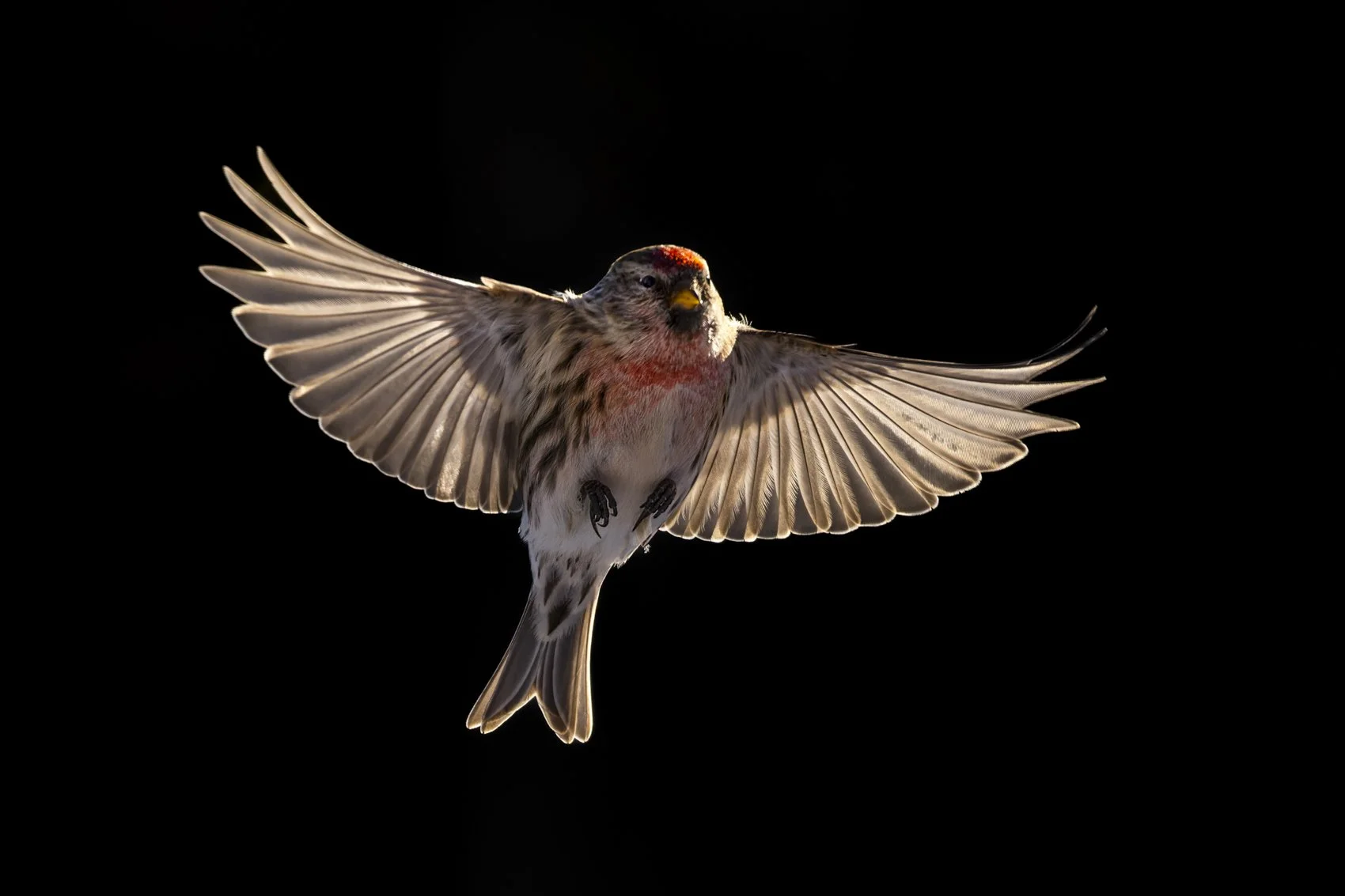
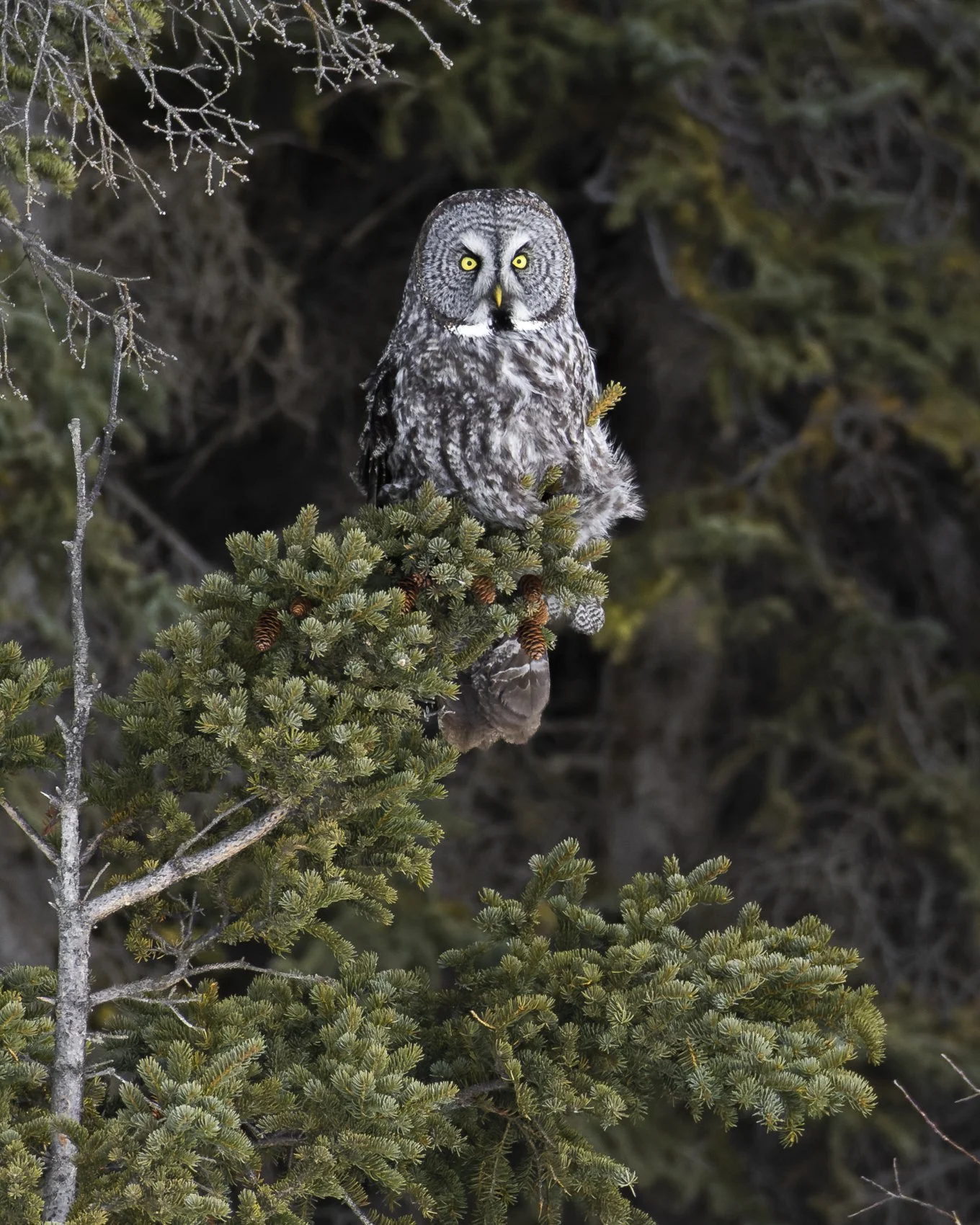
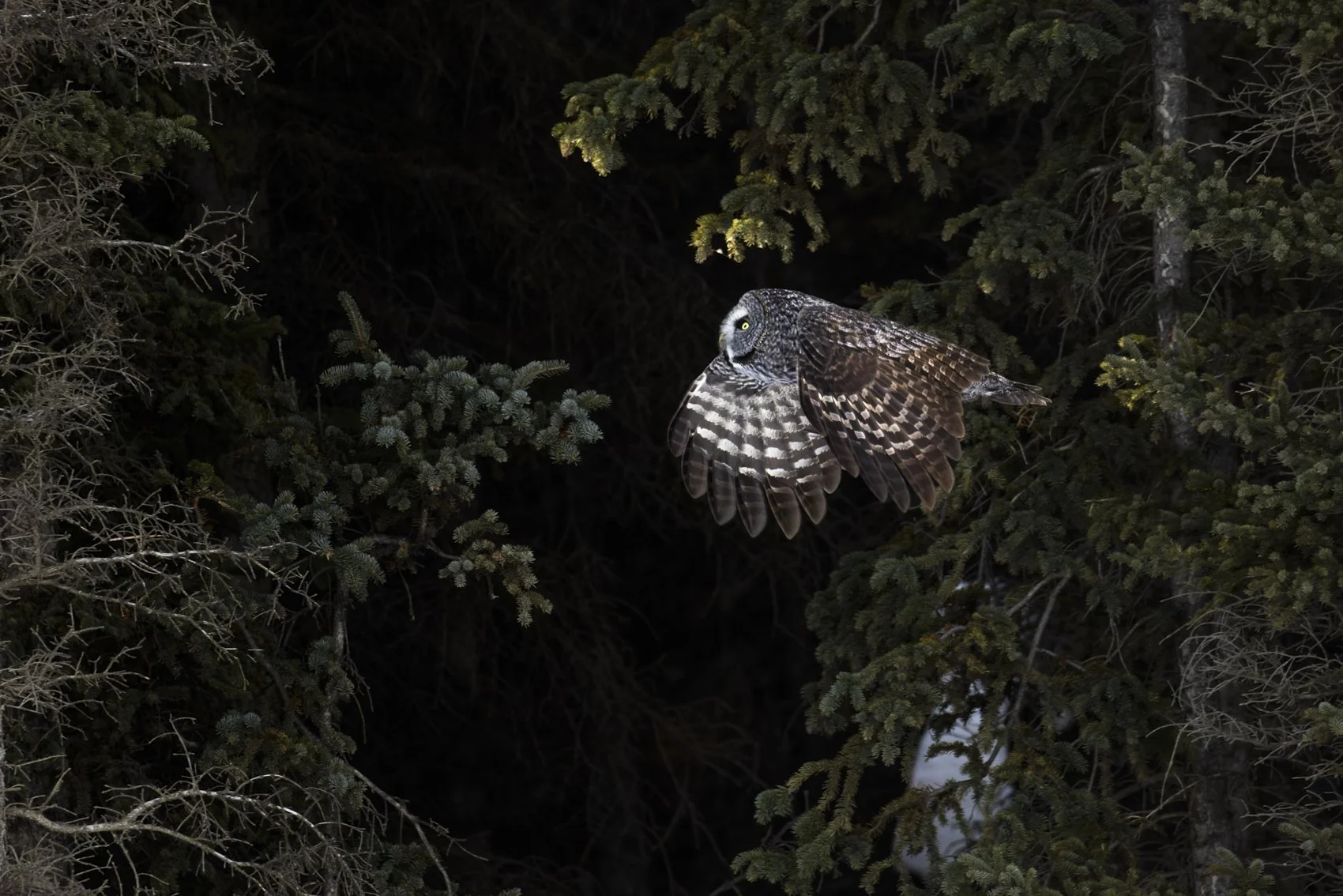
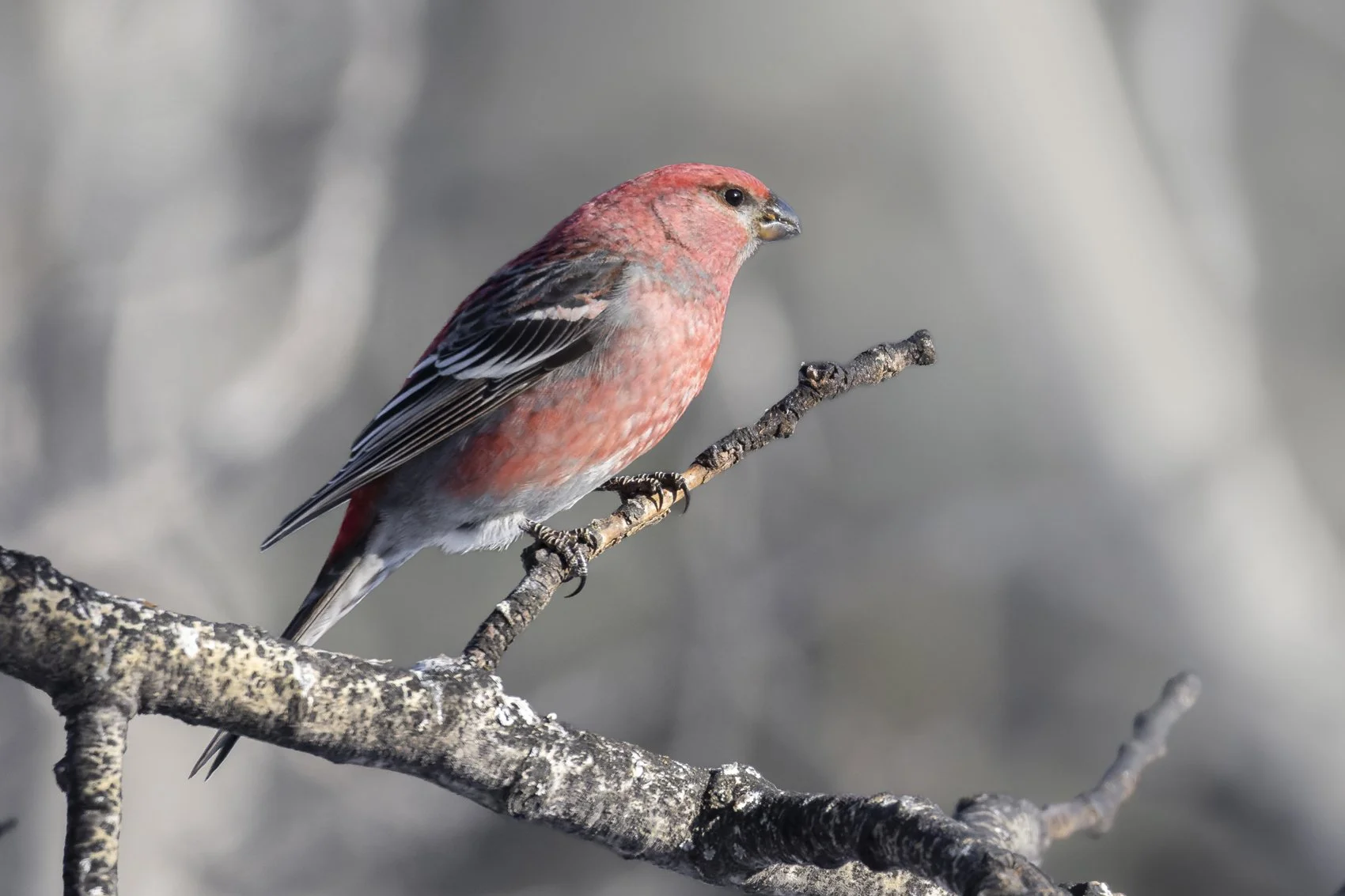
Wildlife is admittedly not overly abundant in the winter- however, the spectacular conditions for photography make it worth the time spent in the field. With effort, it is likely to have many great encounters. Possible species could include Red Fox, Coyote, Moose, Elk, Dall’s Sheep, Willow Ptarmigan, Pine Grosbeak, Common Redpoll, Northern Hawk Owl, Golden Eagle, Snow Bunting, Common Raven, and more. With luck, rarer species are around too, such as Canada Lynx, Caribou, Gyrfalcon, and Great Grey Owl.
-
Please bring adequate winter clothing layers with lots of layers. Warm winter clothing includes but is not limited to warm jackets, warm pants, long underwear, toques, gloves, scarves, winter snow boots, and winter face masks. Hand and/or foot warmers can also come in handy! Sunglasses (and/or ski goggles) are also recommended, as the snow can make things very bright. Snacks will be provided, but you are welcome to bring additional snacks for yourself. Please bring an insulated reusable water bottle (prevents water from freezing). Microspikes for your boots are recommended for increased traction on snowy or icy surfaces.
For photography gear, a DLSR or mirrorless camera is recommended, though superzoom point-and-shoot cameras can also be used with some success. For wildlife photography, a telephoto lens of at least 400mm (on full frame cameras) or 250mm (on a 1.6x crop sensor camera) is recommended. However, longer focal lengths can be useful to get closer images of more distant wildlife. Large telephoto prime lenses can provide great results, but smaller telephoto zooms are also a fantastic choice for this workshop. A mid-range zoom lens can also be useful on this trip for creating environmental portraits of the wildlife, as well as more detailed landscape images (eg. 100-300mm, 70-200mm, 100-500mm, etc). For wider landscape photography, a lens in the wide to mid focal length range is recommended, such as a 24-70mm or 24-105mm. For northern lights and night sky photography, a wide angle lens with a large aperture is recommended, such as a 14mm f/1.8 or f/2.8. The Sigma 14mm F1.8 DG HSM is a popular choice with mount options for various camera brands. A tripod is also highly recommended for night photography. Finally, bringing a laptop is recommended if you’d like to work on post-processing of your images.
-
In this region, the northern lights are visible to some extent on most nights when the sky is clear. However, it’s impossible to know for sure what weather conditions we will have, or how much aurora activity there will be. This is a great area for the northern lights, so we will be well positioned to take advantage of whatever opportunities arise! We will make plans based on weather forecasts and geomagnetic activity.
-
Several years in the making, Liron has carefully crafted this trip based on immense amounts of time spent in the field in this region. This trip takes place in one of most spectacular places on earth for winter photography- however, it’s also one of the least known and least visited. There are incredible and unique photography opportunities to be had, without any crowds- in fact, there is usually nobody around at all. There is also some amazing wildlife to be found in this beautiful environment! This tour also brings us to the auroral oval, the region in the world where northern lights most regularly occur. Away from the city lights, we'll be well positioned with dark skies to have a beautiful view and wonderful photography opportunities of the northern lights, should the conditions align. We will be monitoring geomagnetic activity and weather conditions to maximize our chances! There will also be ample opportunities to learn about night sky photography settings, post-processing, and techniques, as well as photography techniques and creativity for landscapes and wildlife photography.
-
While our itinerary is planned out, our schedule remains very flexible. This will allow for us to make the most of wildlife encounters, good light, and overall photography opportunities. All activities are optional.
-
Our trip will begin and end in the Yukon’s capital city of Whitehorse. From there, we’ll head a few hours to the west, into the St. Elias Mountains, near Kluane National Park. We’ll also dip into the far northwestern corner of British Columbia.
-
We aim to have a fun, positive, easy-going and non-competitive group atmosphere! While the goals of the trip are to achieve fantastic photos and practice and develop our photography technique, we want to make every moment enjoyable, both in and out of the field.
-
All activities are optional; guests are welcome to take time to rest as desired.
-
As much or as little as you want! The group size is designed to allow personalized attention when desired. In addition to field instruction, workshop activities may include optional indoor seminars and post-processing sessions.
-
Yes! We will have a private chef for much of the trip who has experience cooking for a variety of diets.
-
Of the 5 spaces on the tour, 3 are available as single spots, and 2 are available as a shared spot. A discount of $470 CAD ($345 USD) off of the listed single price is available for the double occupancy (shared) spots.
-
The dates are specifically selected during a time of year that provides a nice balance of daytime and nighttime photography opportunities, with 12 hours of daylight. March also allows for less average cloud cover and warmer average weather conditions than earlier in the year, while still having beautiful winter conditions.
-
This tour is limited to a maximum of 5 participants, plus the guide.
-
We will have one SUV for ground transportation during this trip.
-
The booking deposit is refundable for 30 days after receipt, or up to October 1st 2026 (whichever comes first). The remaining balance is due by Dec 1 2026. A 50% refund will be issued for cancellations 60-90 days before the trip. Refunds are not available for cancellations made within 59 days of the start of the trip.
-
All skill levels are welcome, whether you’re an advanced photographer or just starting to learn. Optional guidance will be available to help you improve your technique and make the most of each opportunity.
-
Photography ethics are incredibly important, and we will aim to have minimal disturbance to wildlife that we encounter, and the places we visit. The goal is always to see and photograph natural behaviours.
-
Smoking is prohibited during group workshop activities.