
Mexico Seabirds & More
World-class photography opportunities on the West Coast of Mexico
January 22 - February 1 2027 (sold out)
What makes this trip special?
-
Rare access to an island covered in tens of thousands of nesting seabirds offers unparalleled immersion
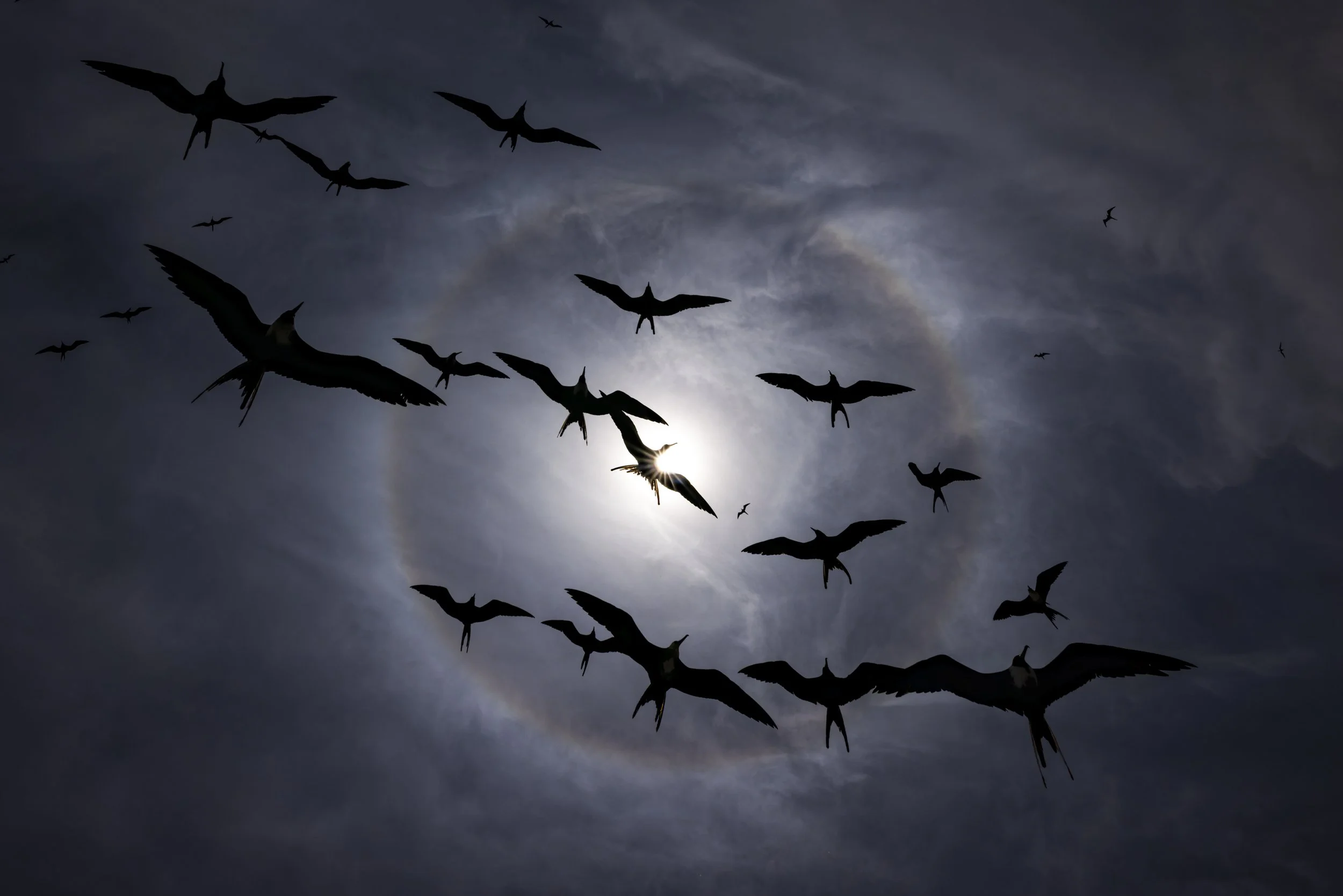
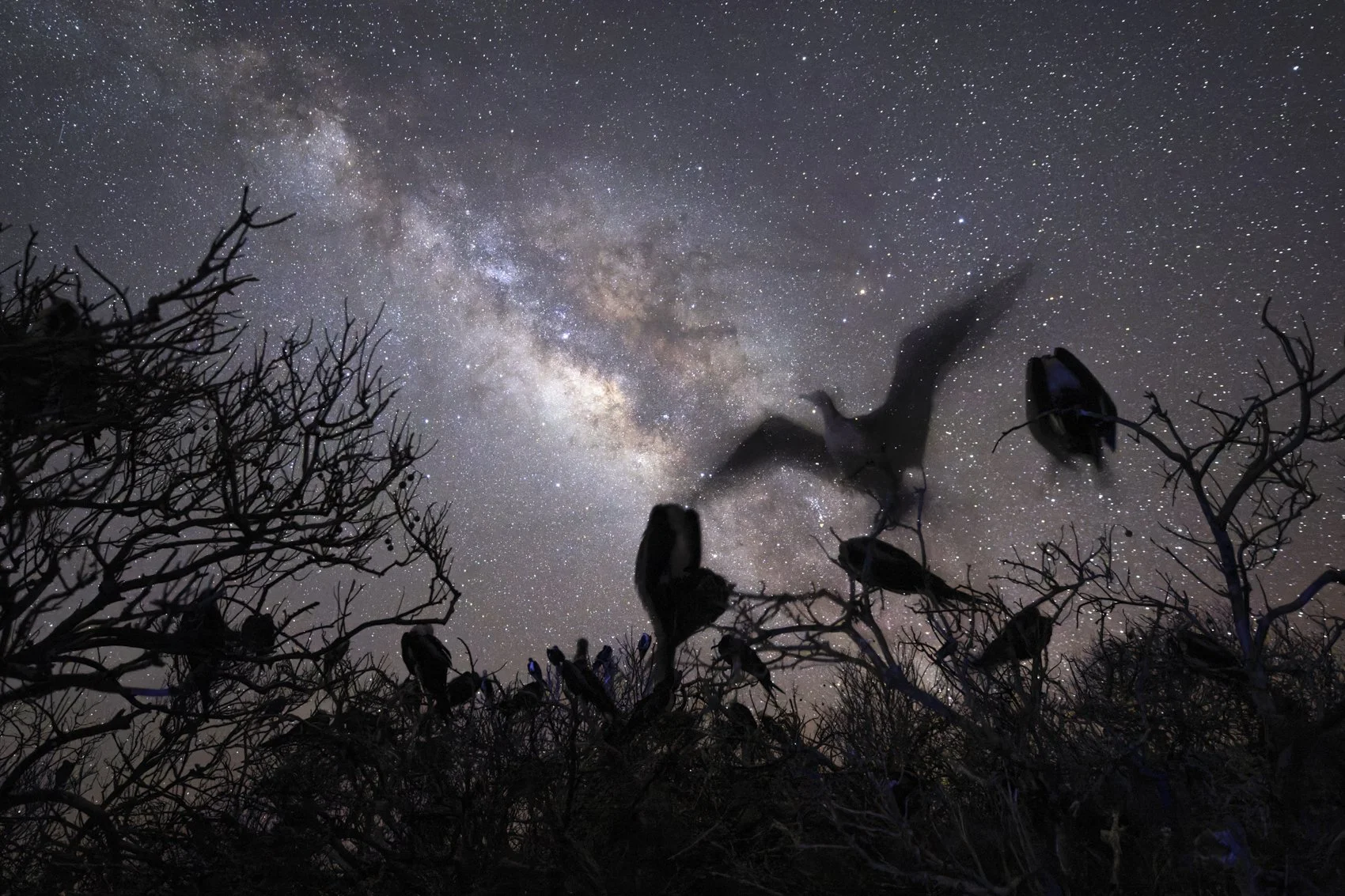
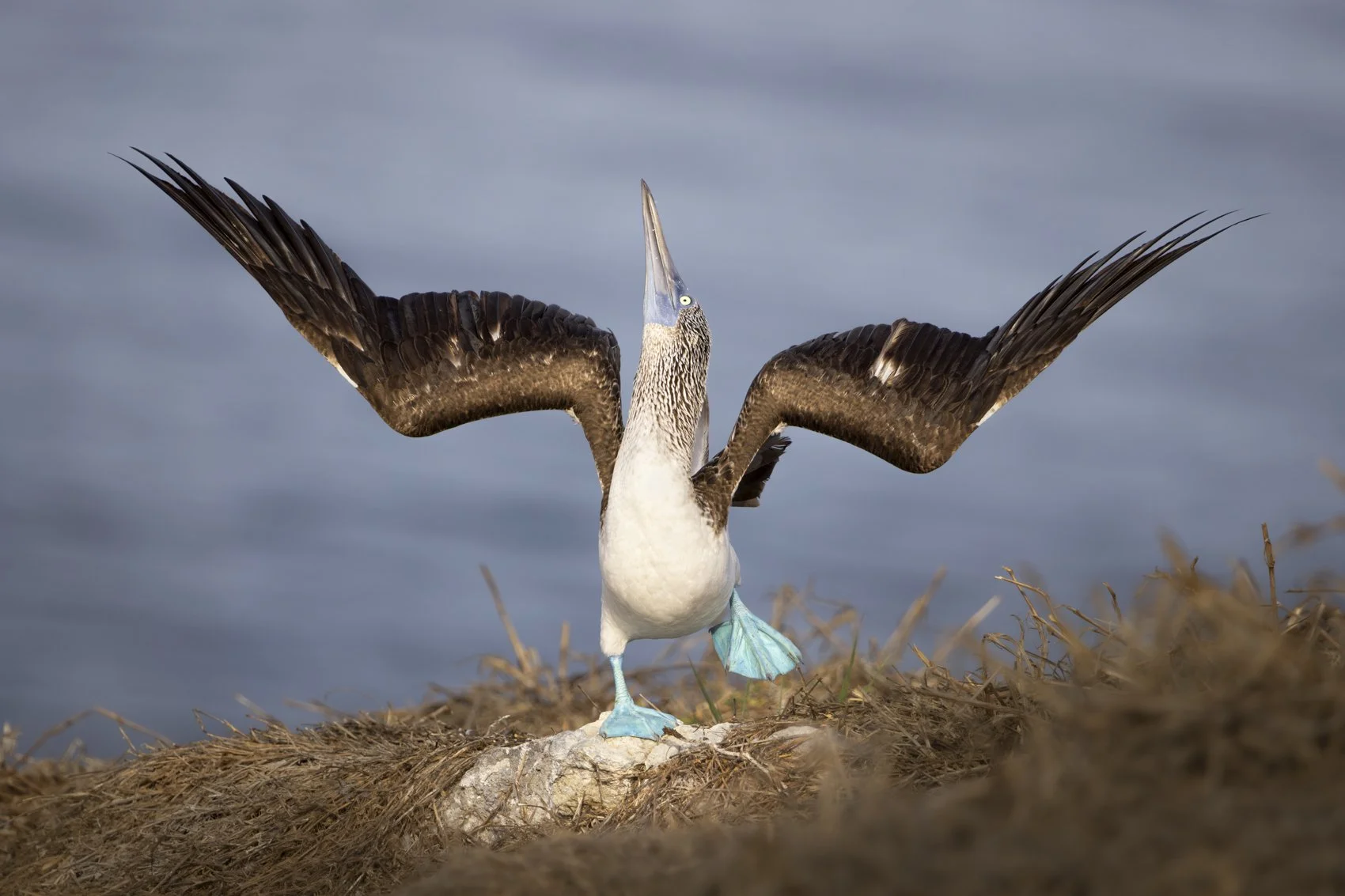
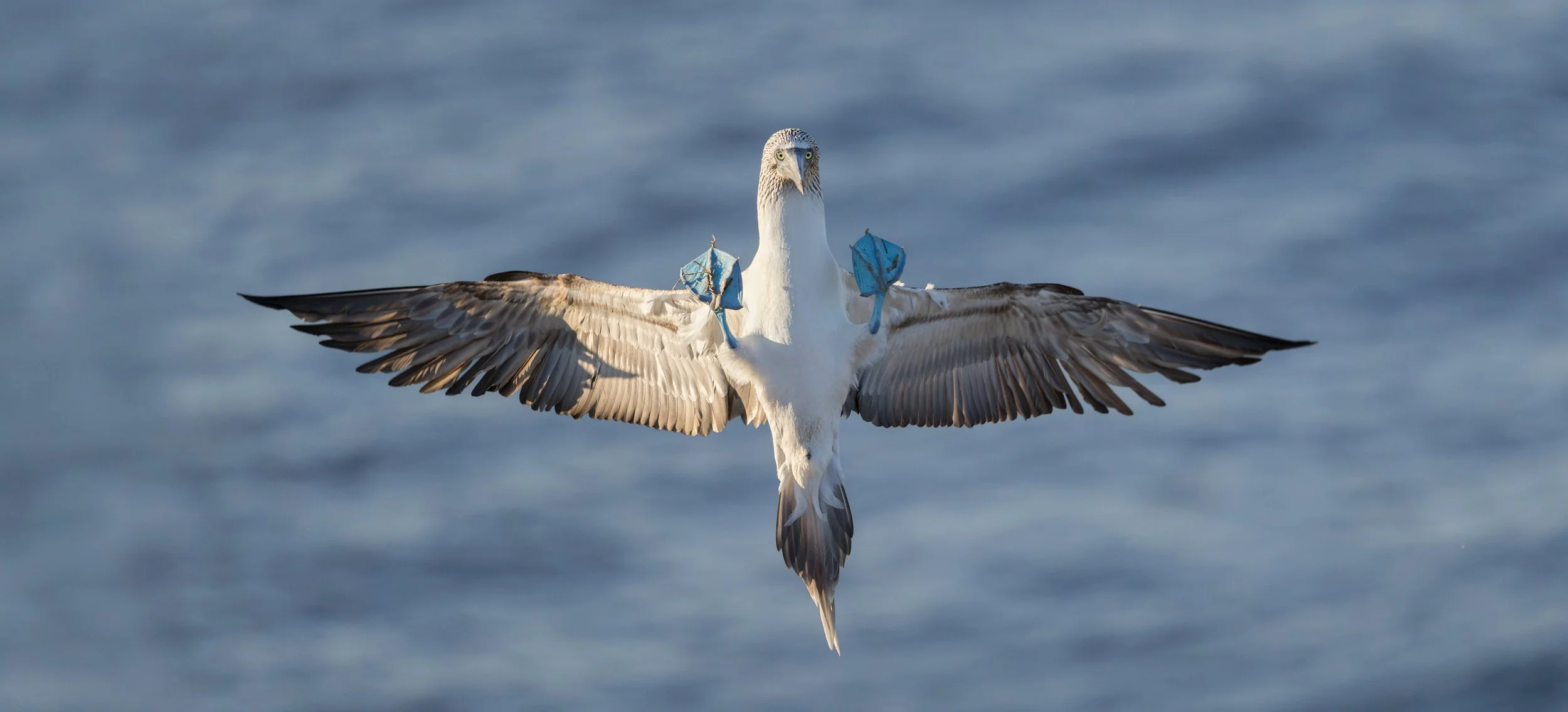
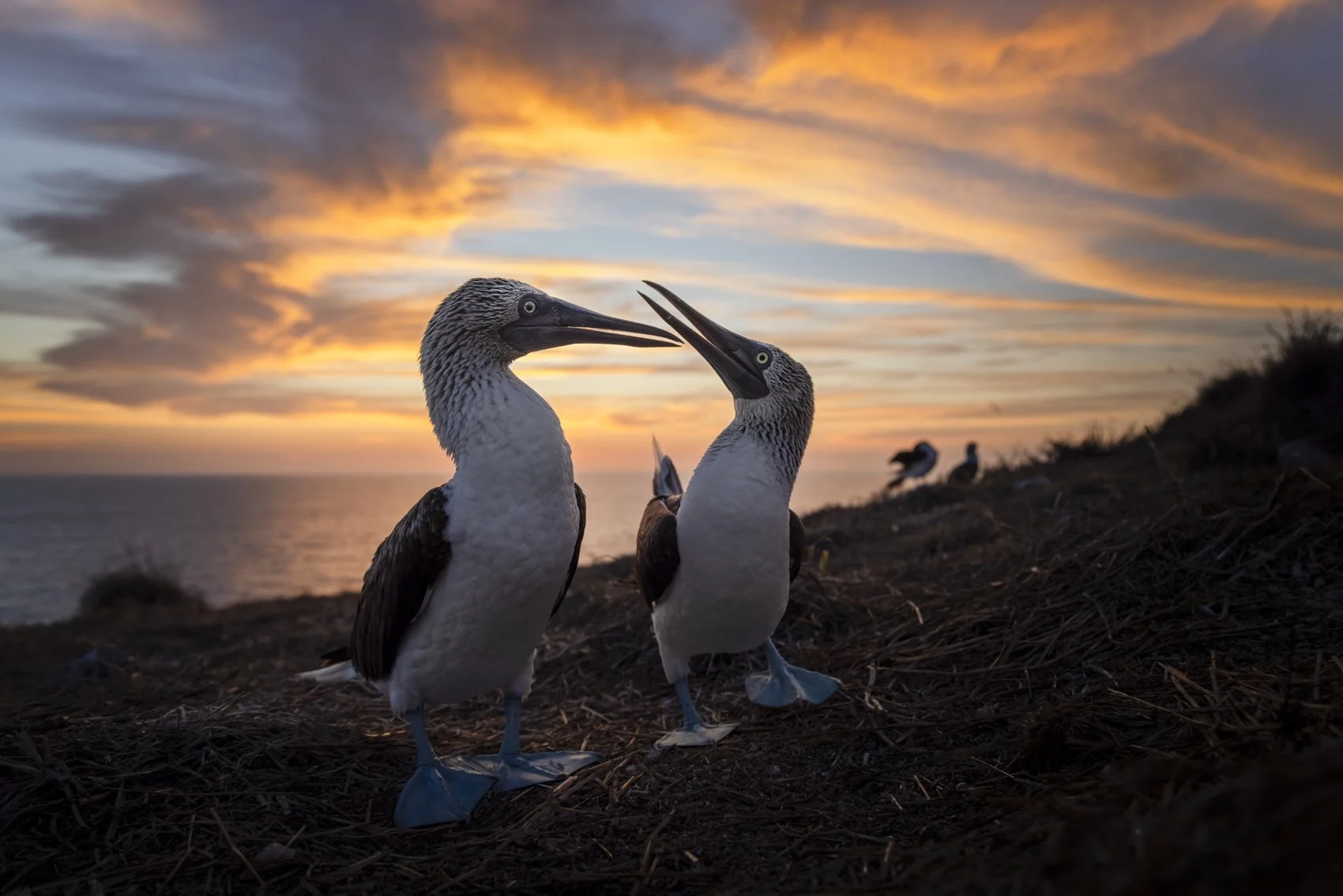
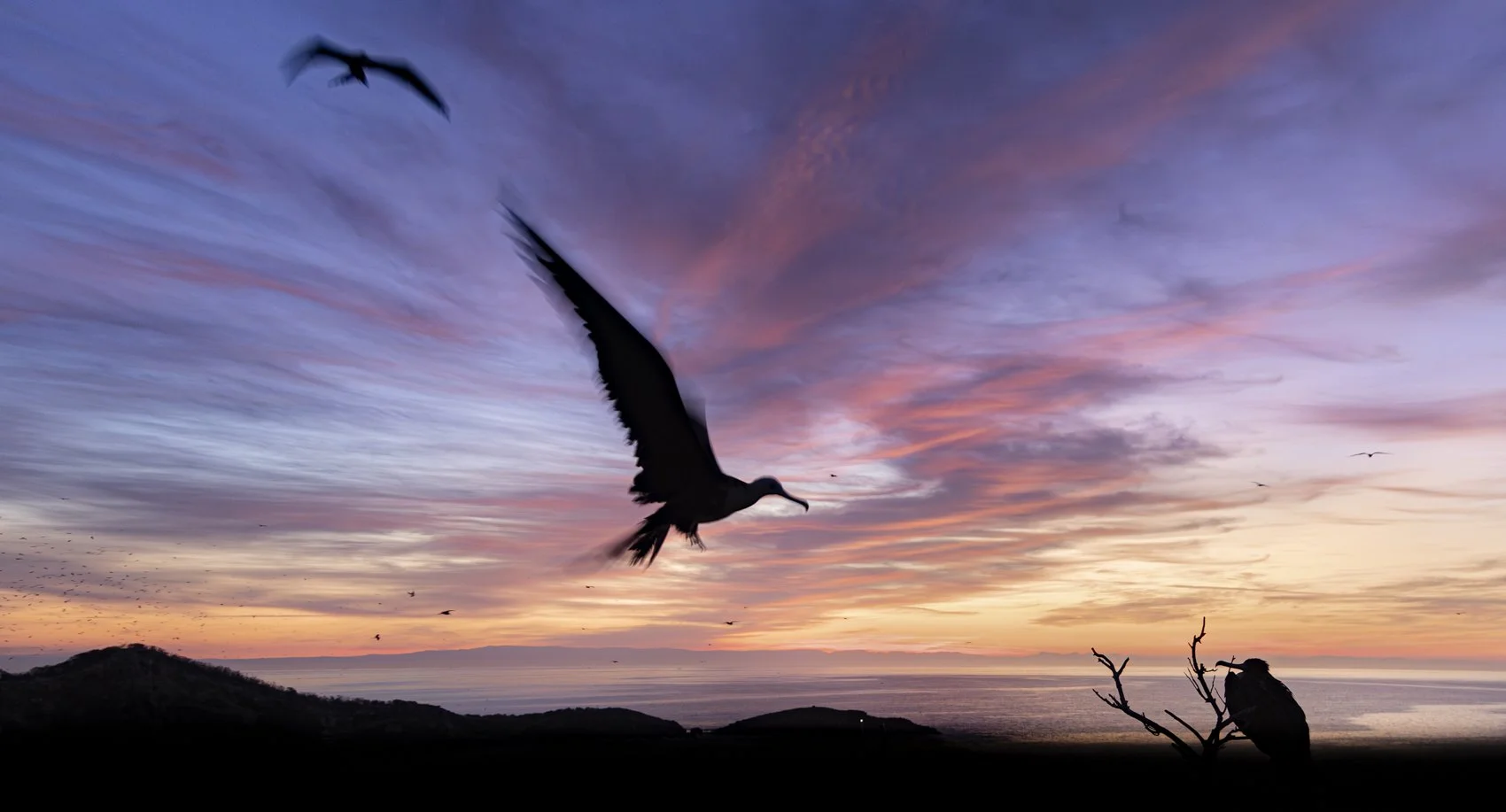
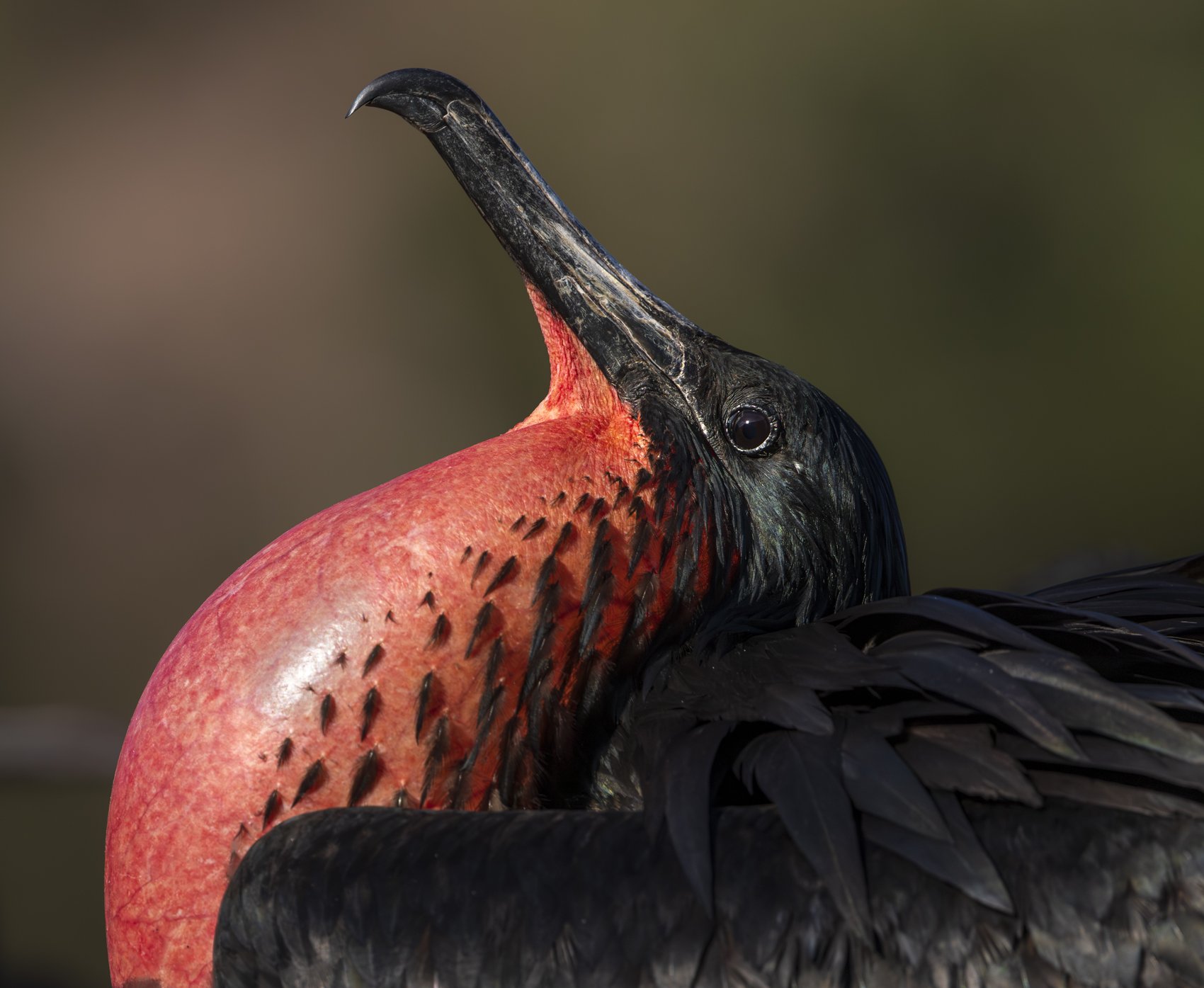
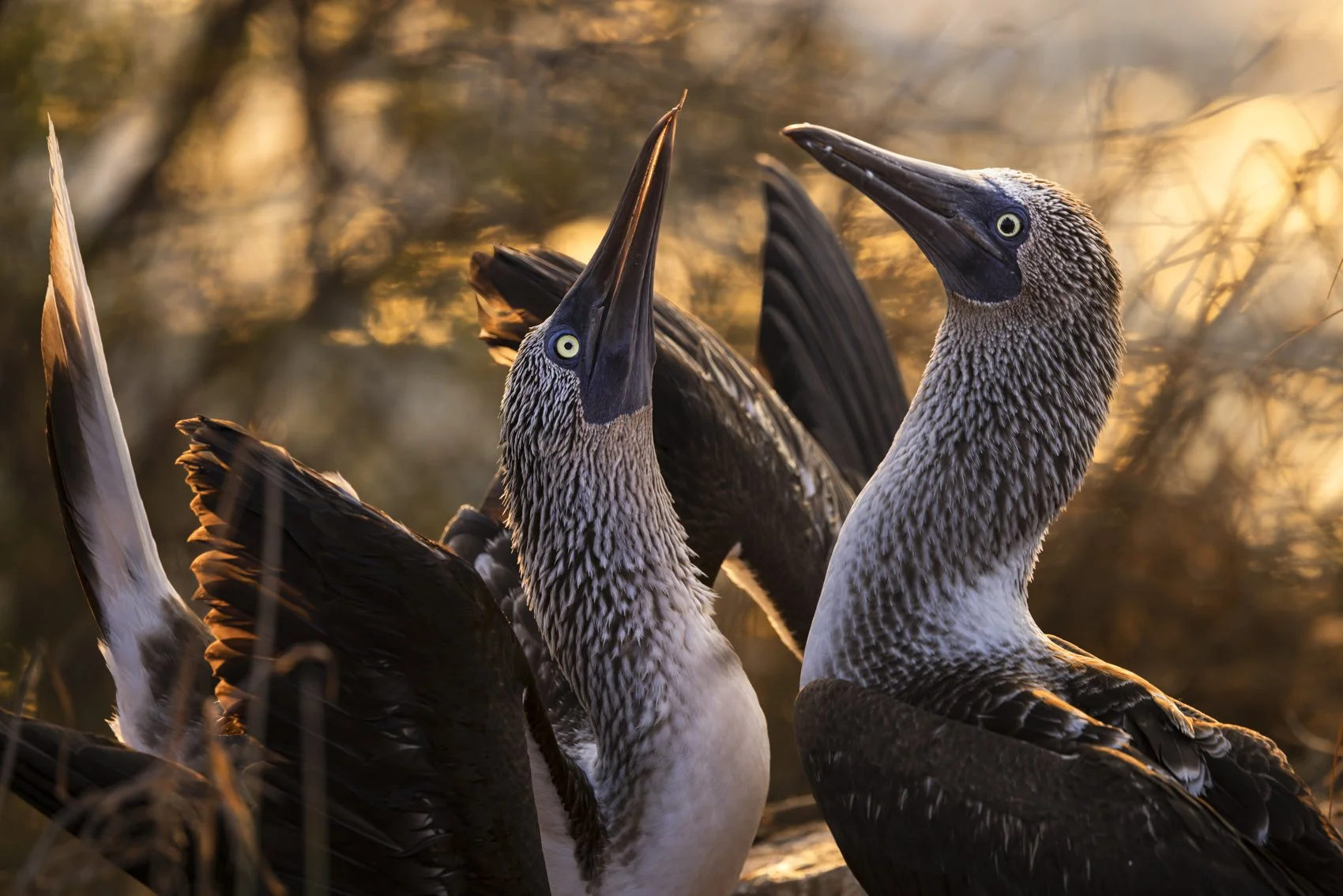
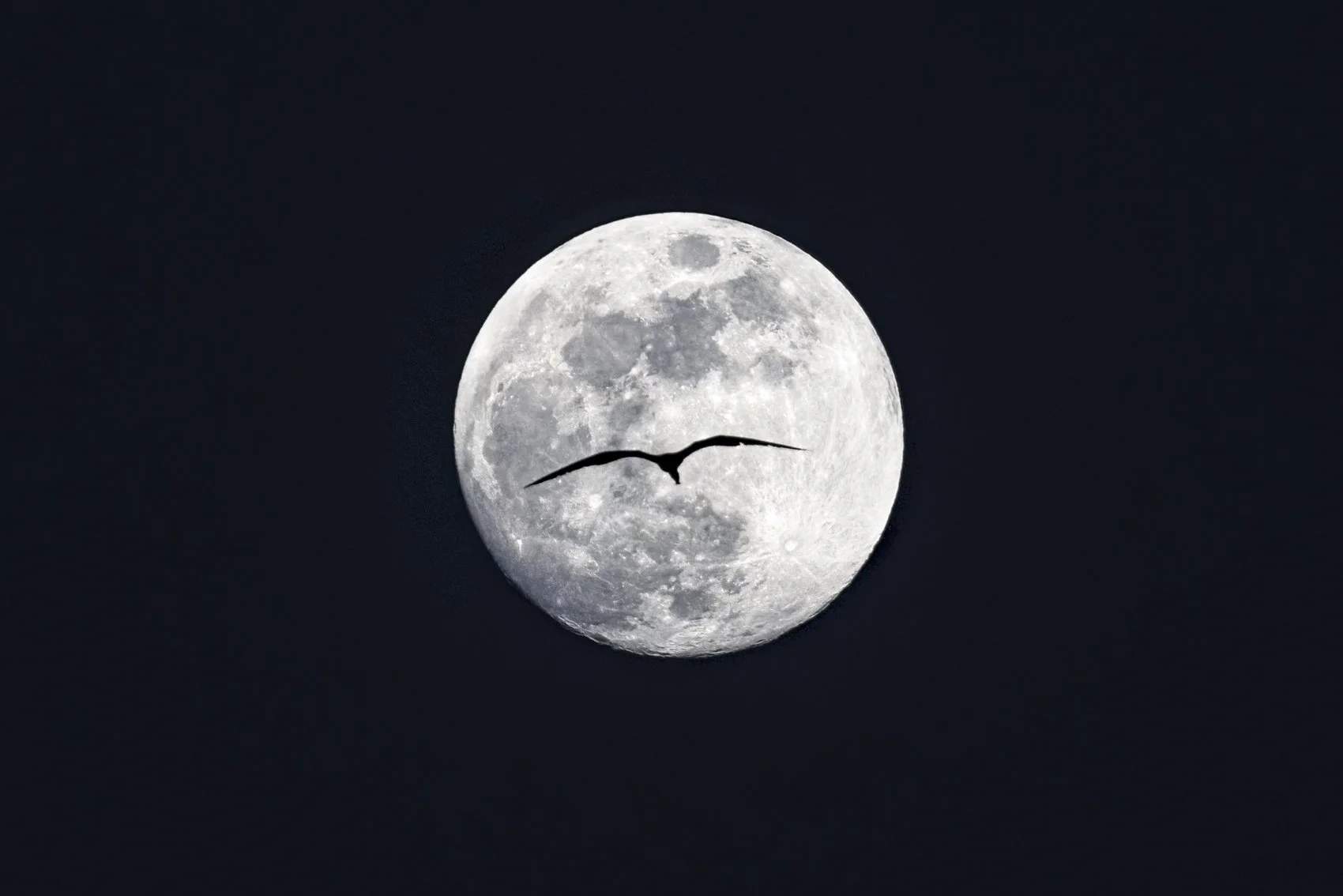
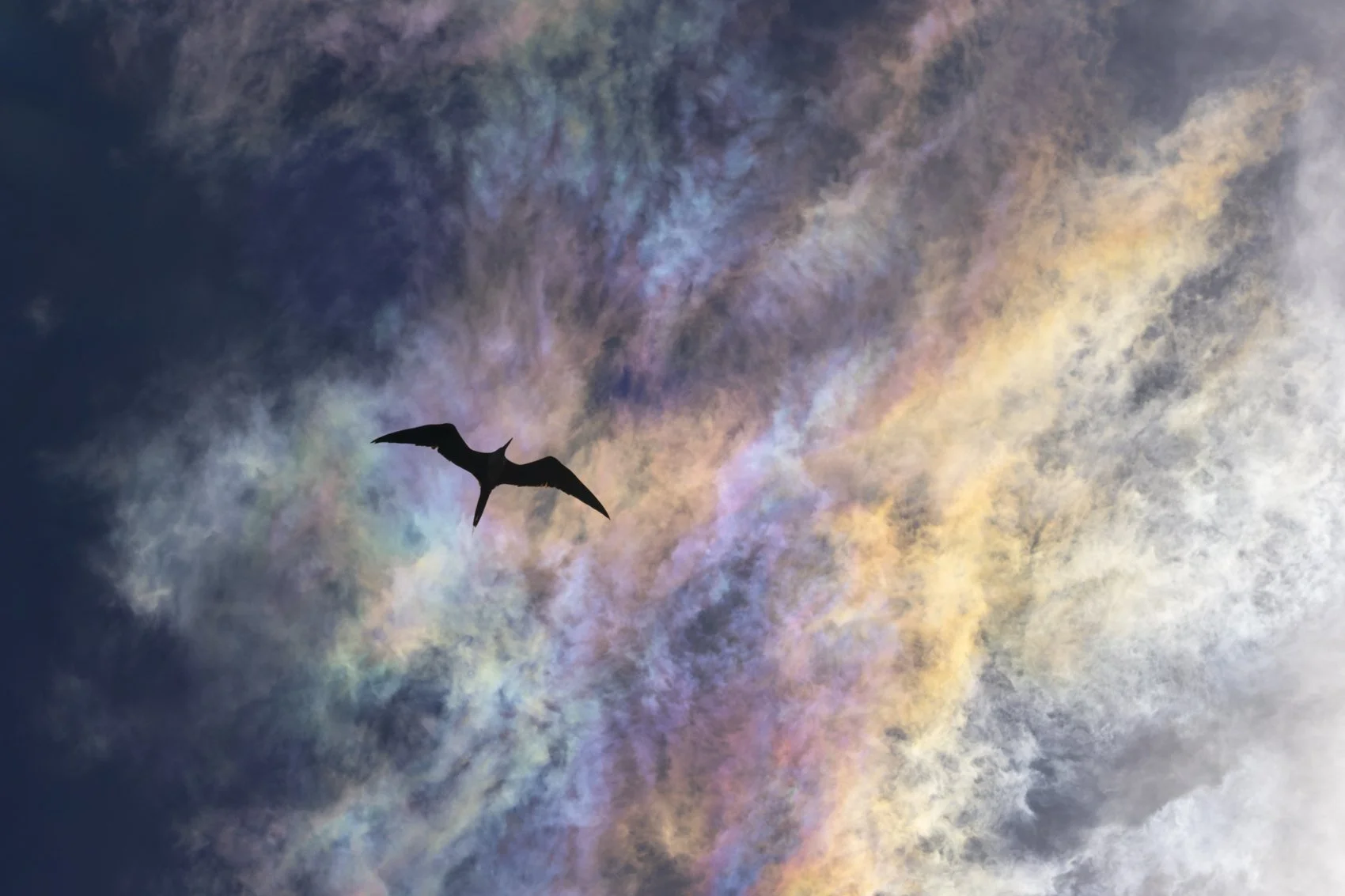
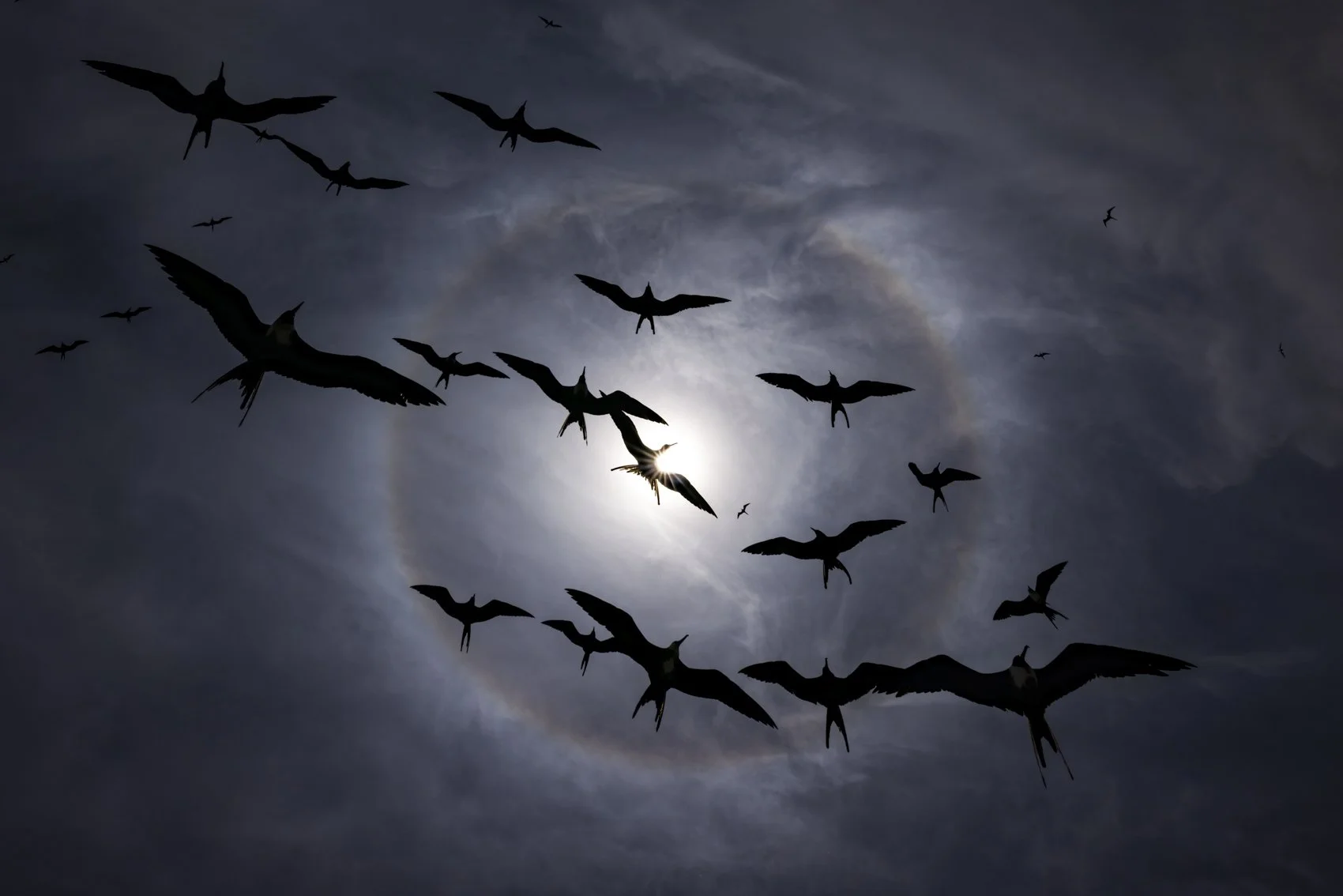
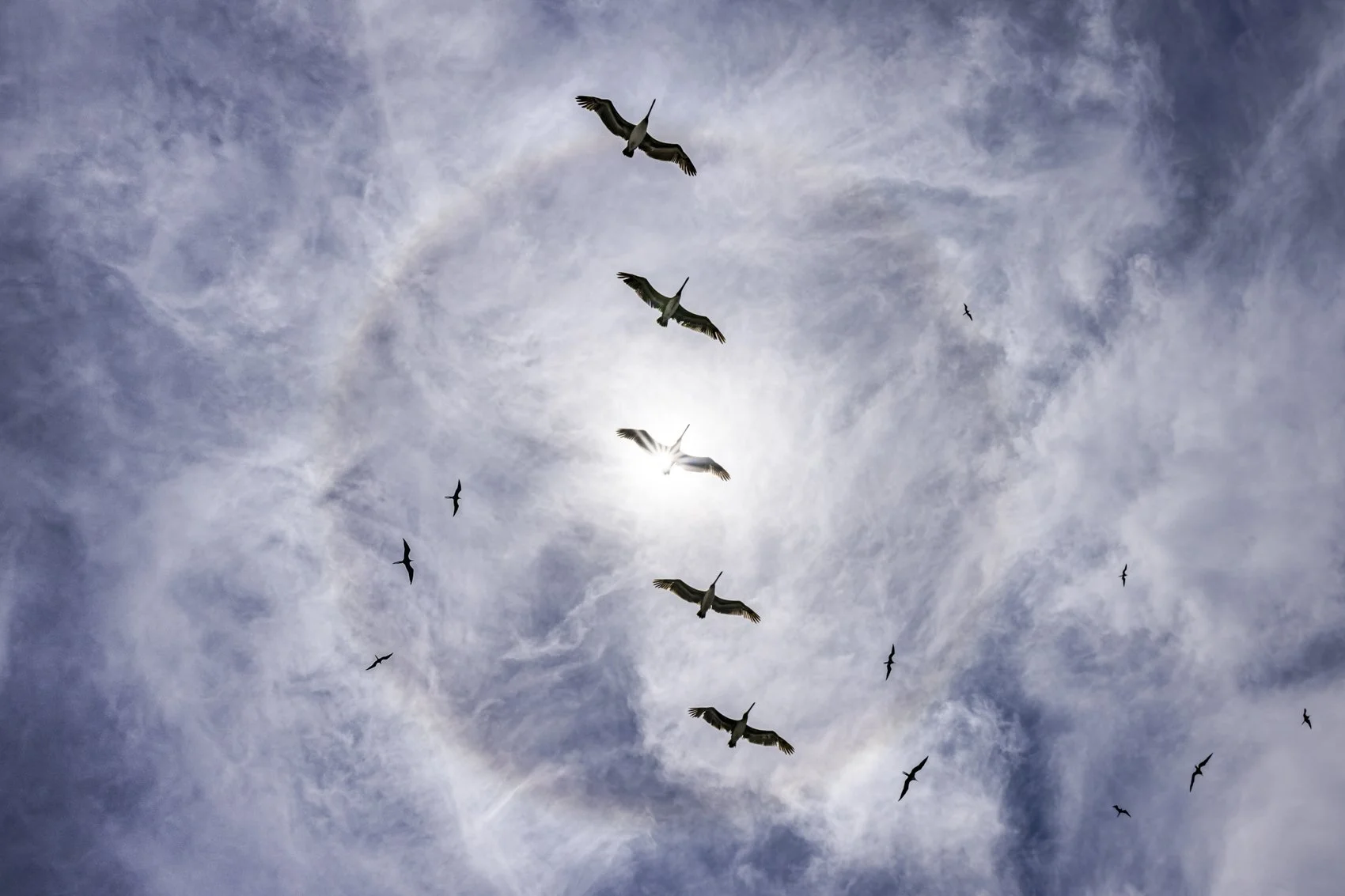
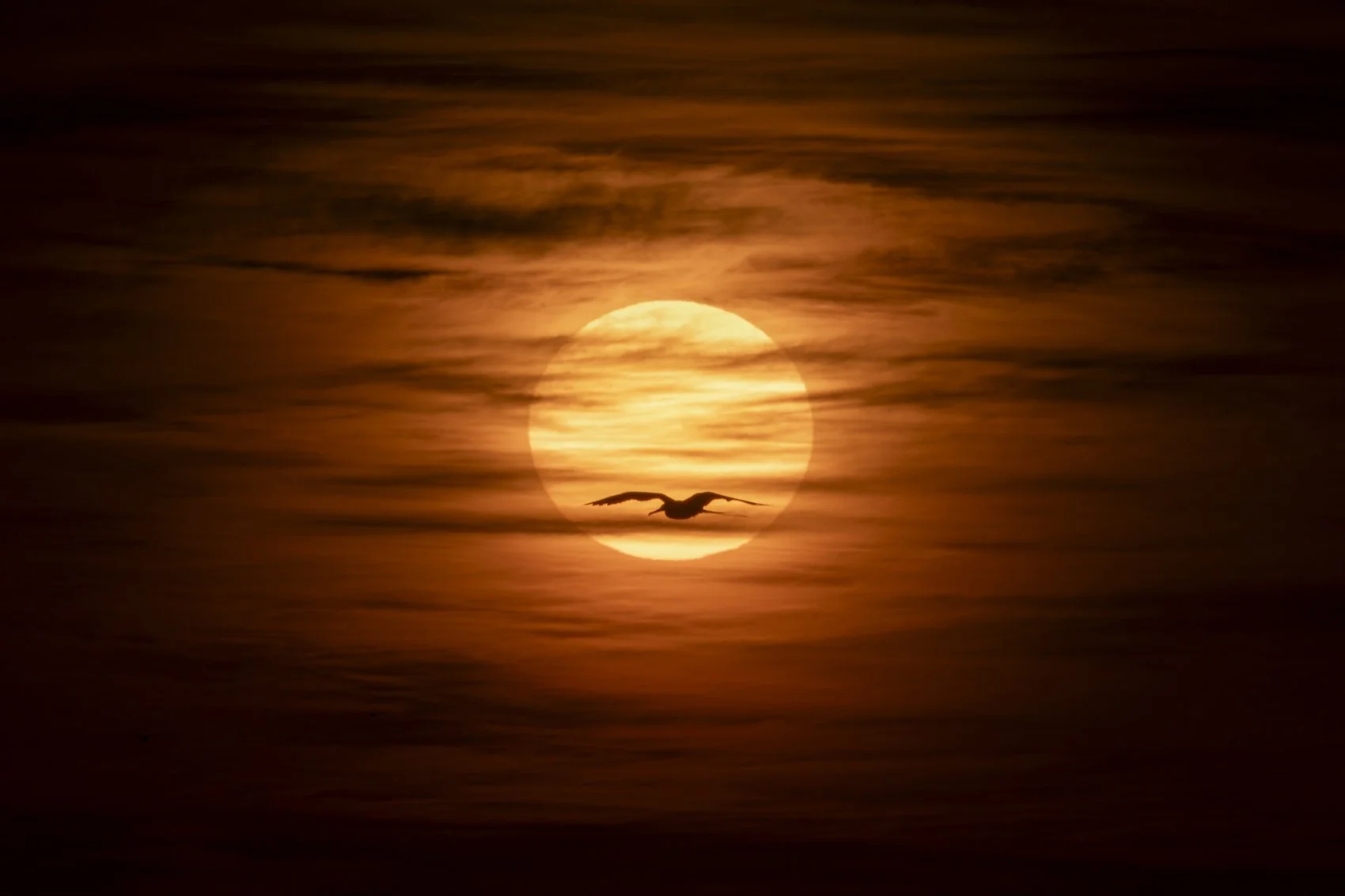
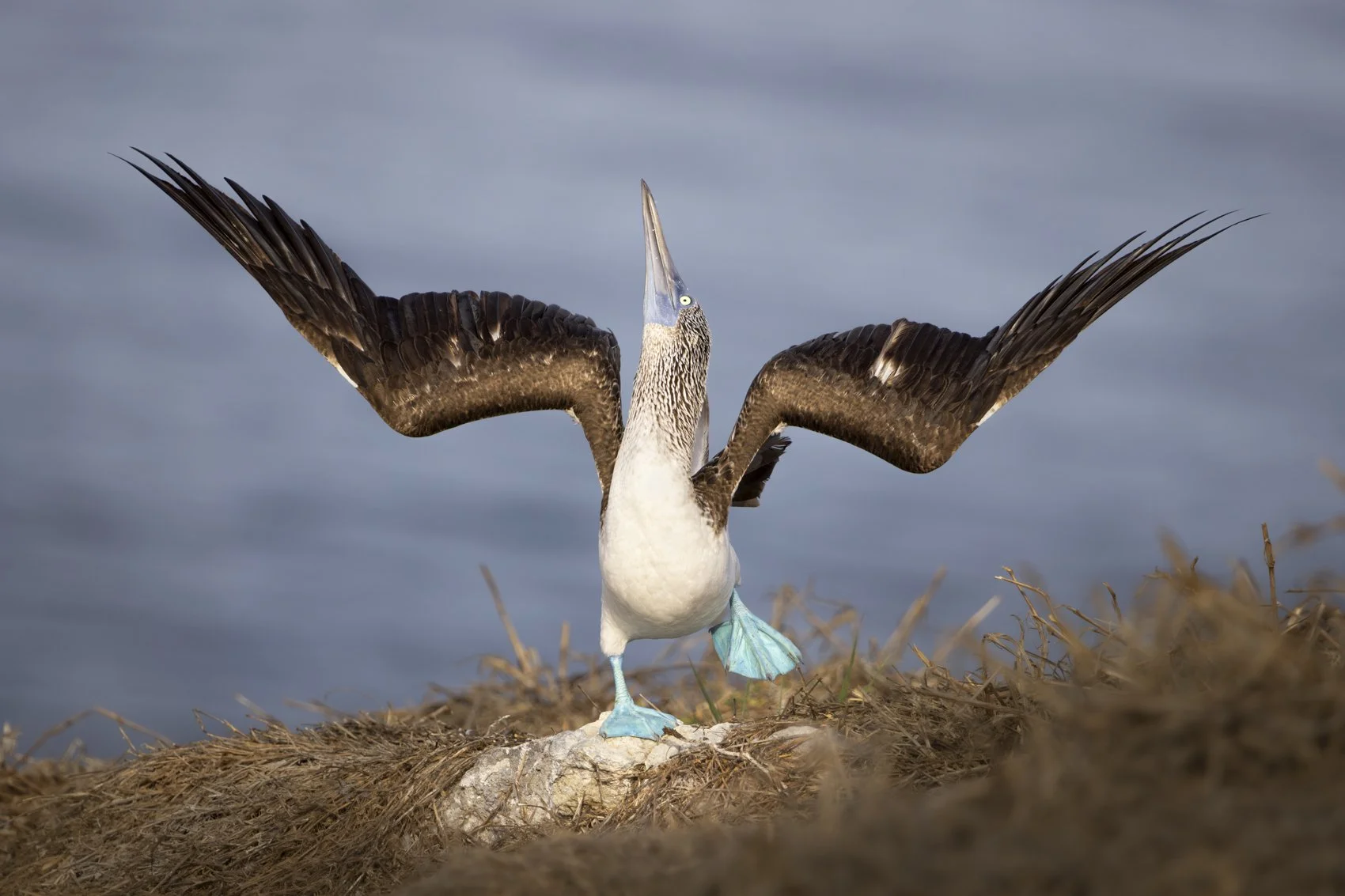
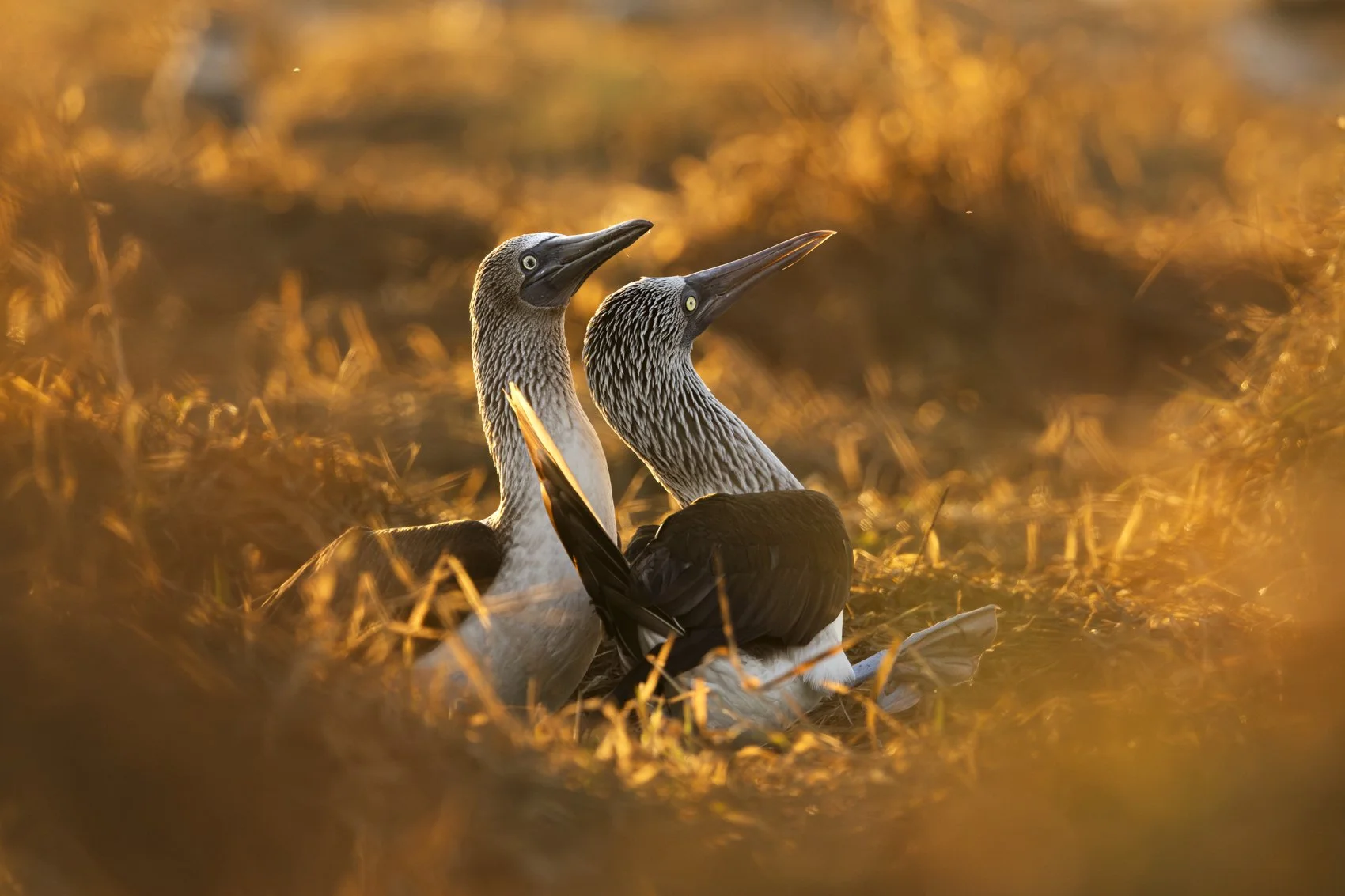
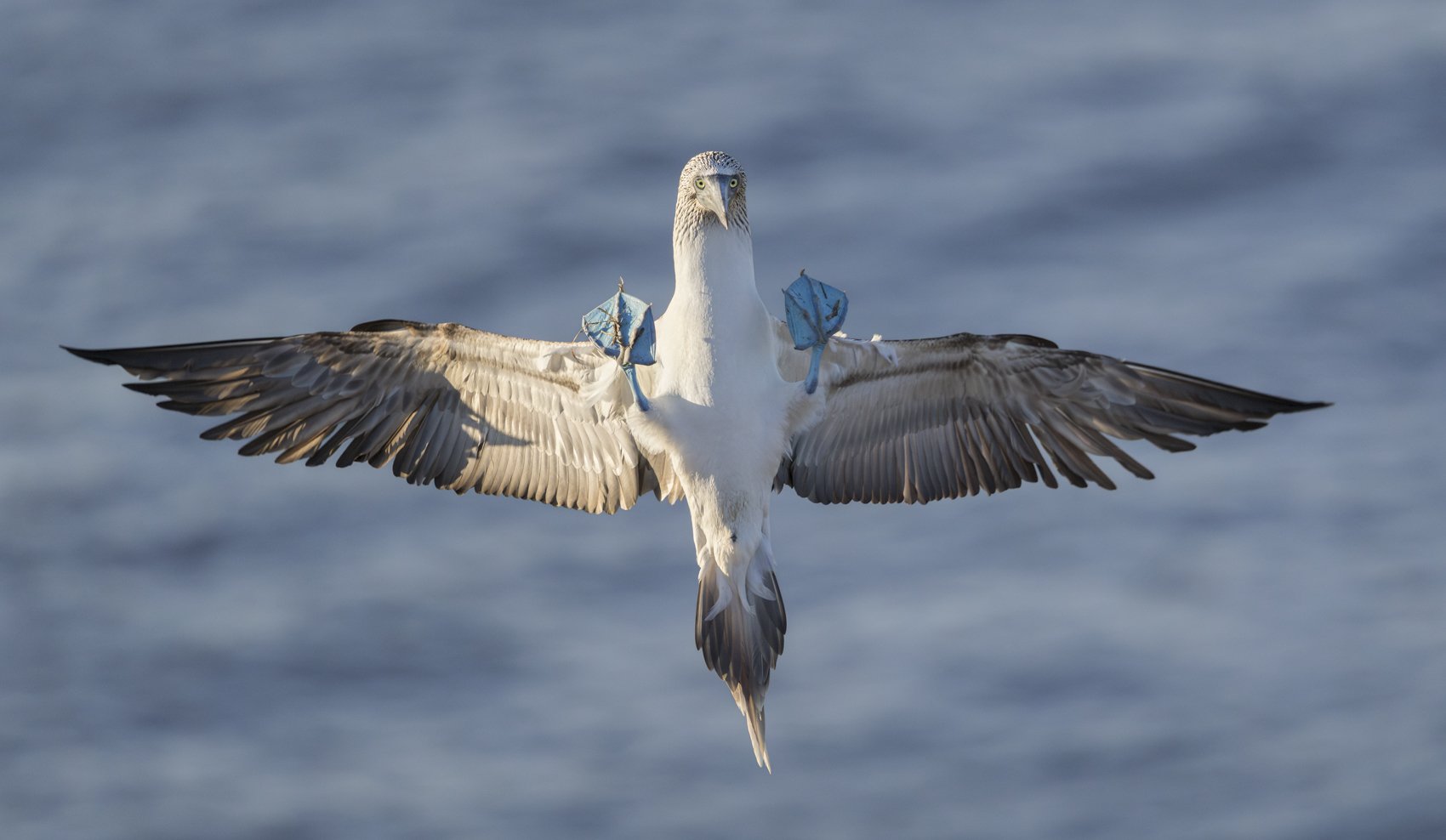
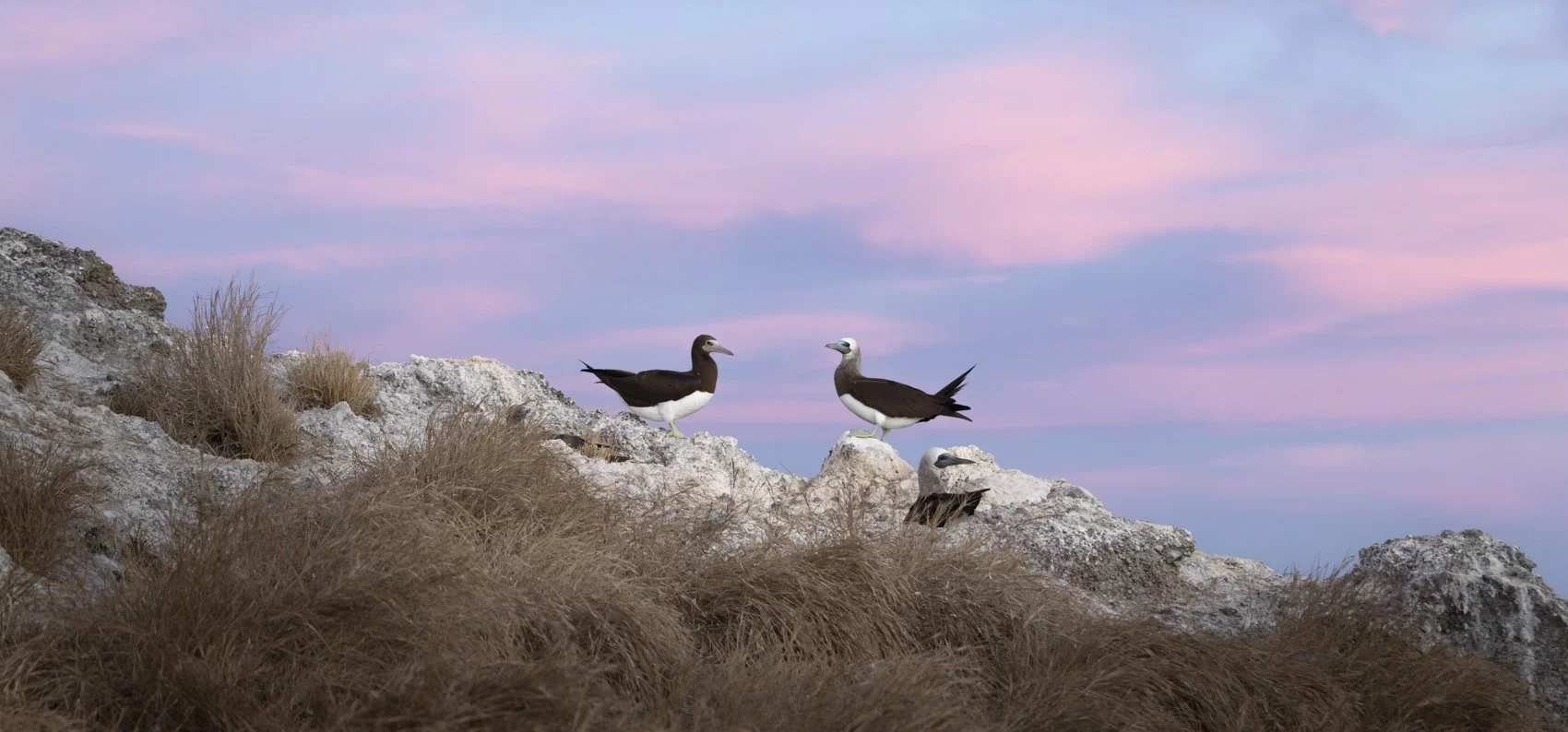
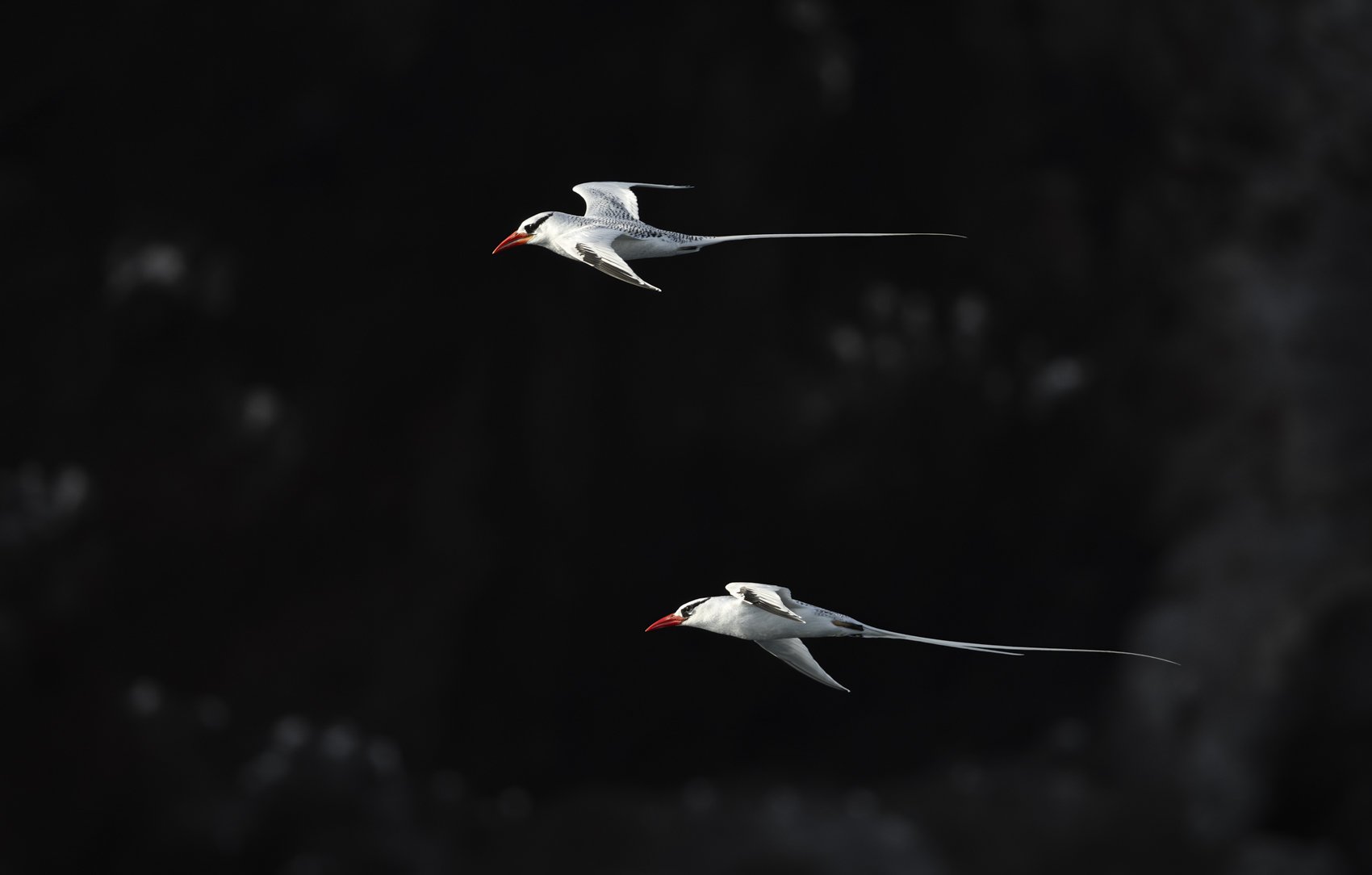
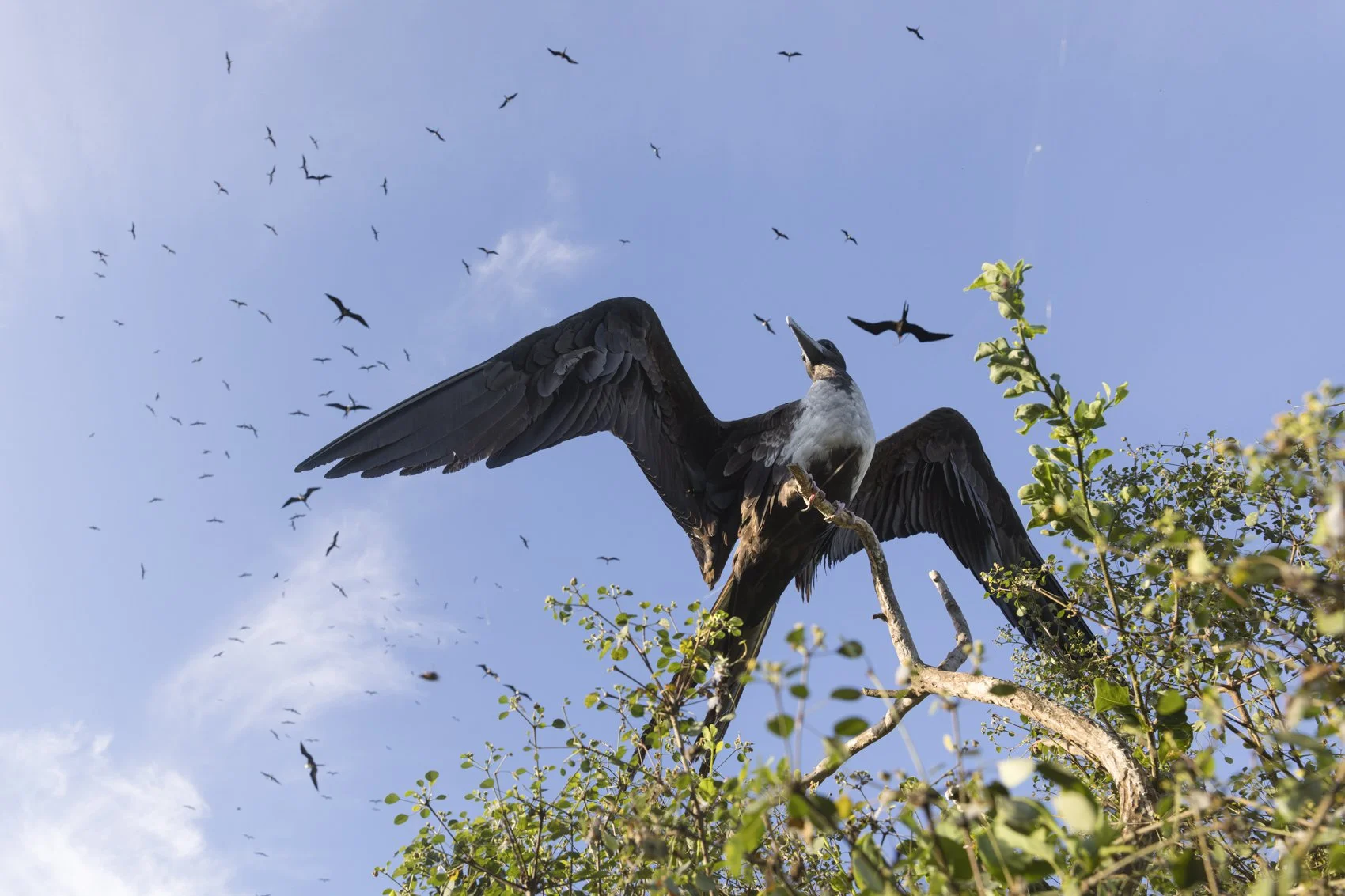
Very few places in the world offer this level of access to a large seabird colony. Surrounded by tens of thousands of nesting birds, you’ll be fully immersed in one of nature’s most dynamic spectacles. Frigatebirds are soaring and nesting all around, boobies court and nest at close range, and tropicbirds glide past dramatic cliffs. With multiple days on the island, you’ll experience this incredible ecosystem far beyond a fleeting visit, as is common with many other large seabird colonies around the world.
-
Endless opportunities to get the perfect photos
With multiple sunrises, sunsets, and full days in each location, this tour is carefully designed to maximize your chances of capturing truly exceptional images. The group is limited to just five participants, ensuring a highly personalized experience with plenty of space, flexibility, and individual guidance. Our adaptable schedule allows us to respond to light, weather, and wildlife activity, giving you time to refine compositions and revisit scenes. Whether you’re chasing dramatic flight shots, intimate behavior, or perfect light, you’ll have the time and unparalleled access to make it happen.
-
Journey into the mountains for nesting macaws and tropical songbirds
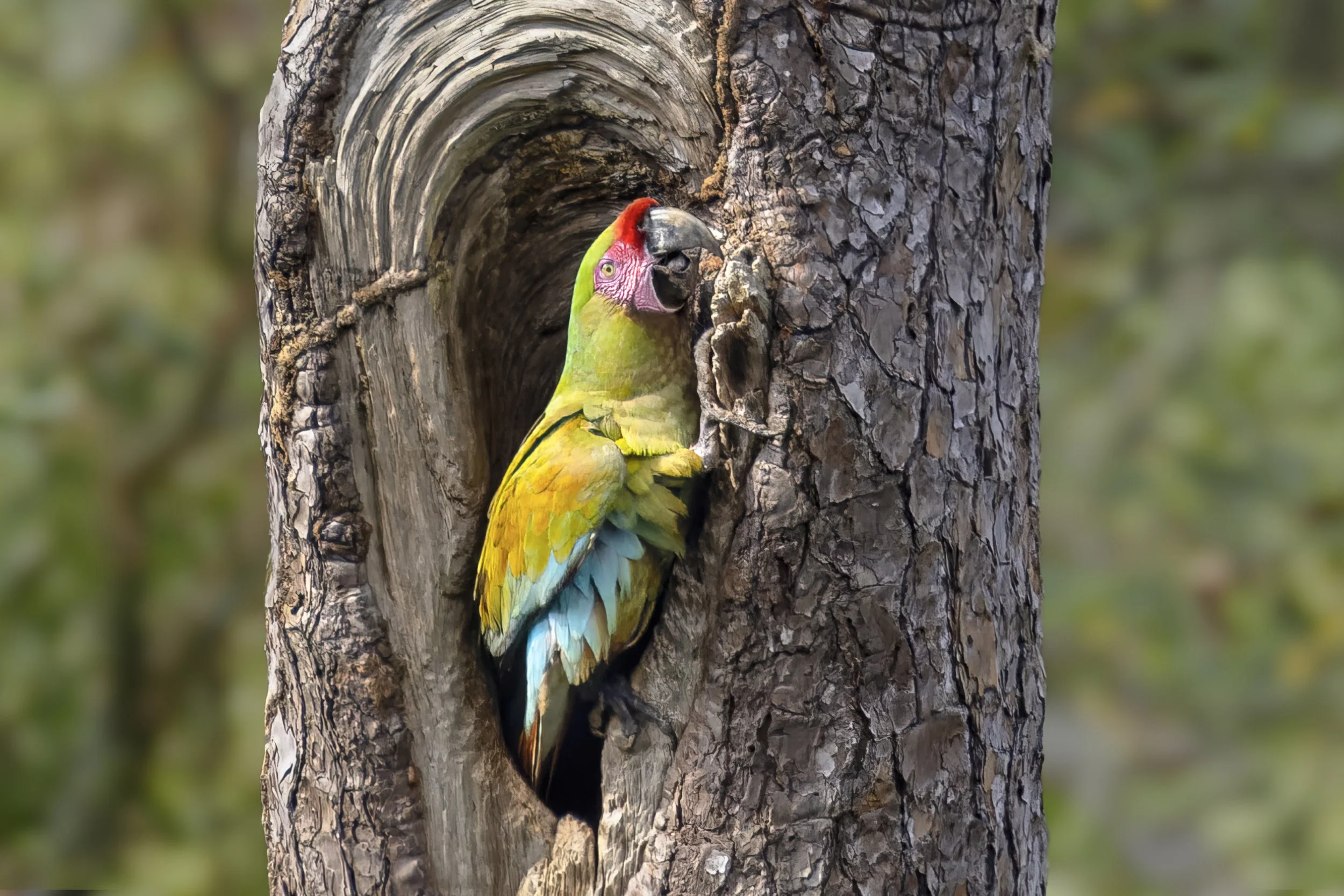
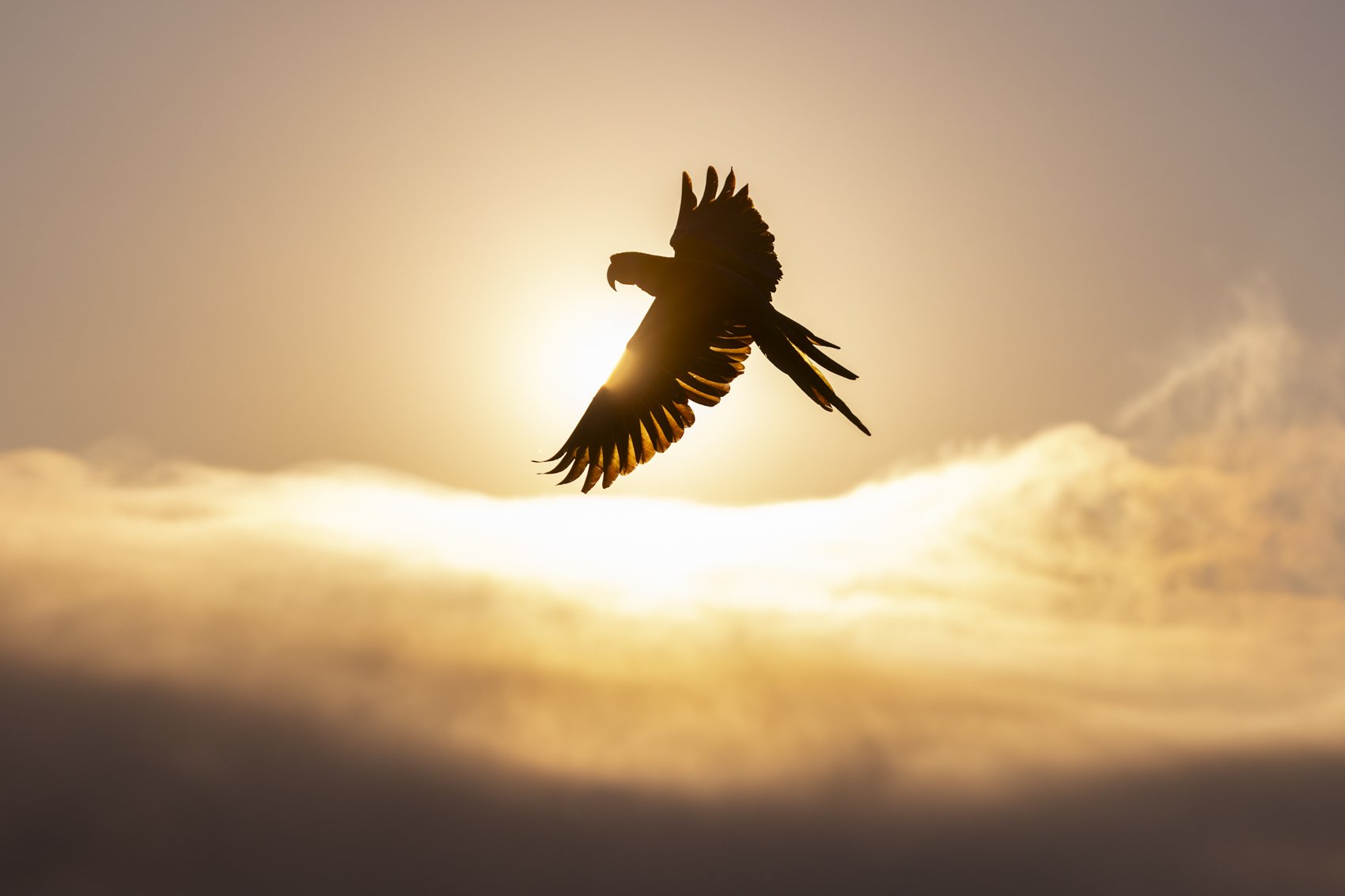
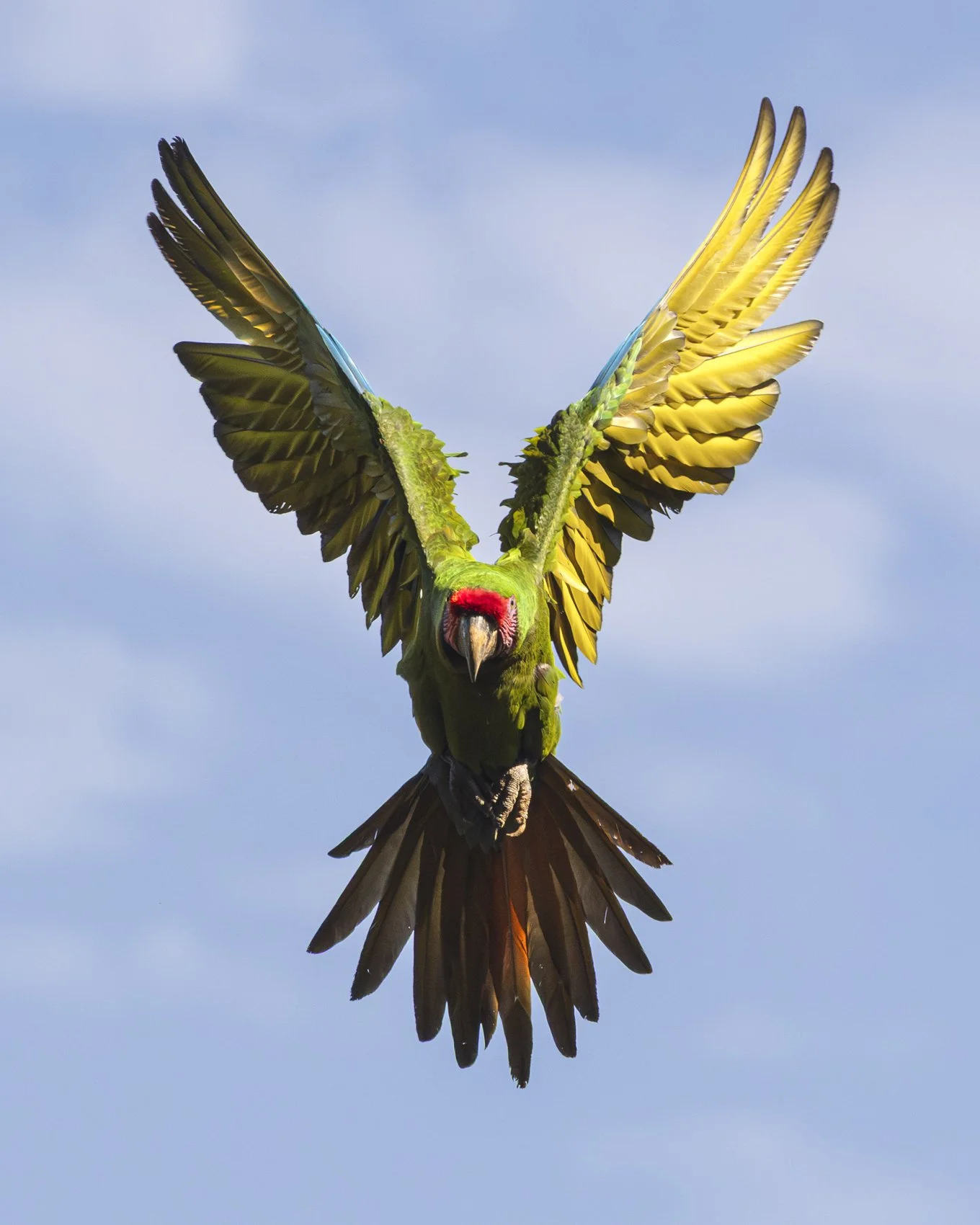
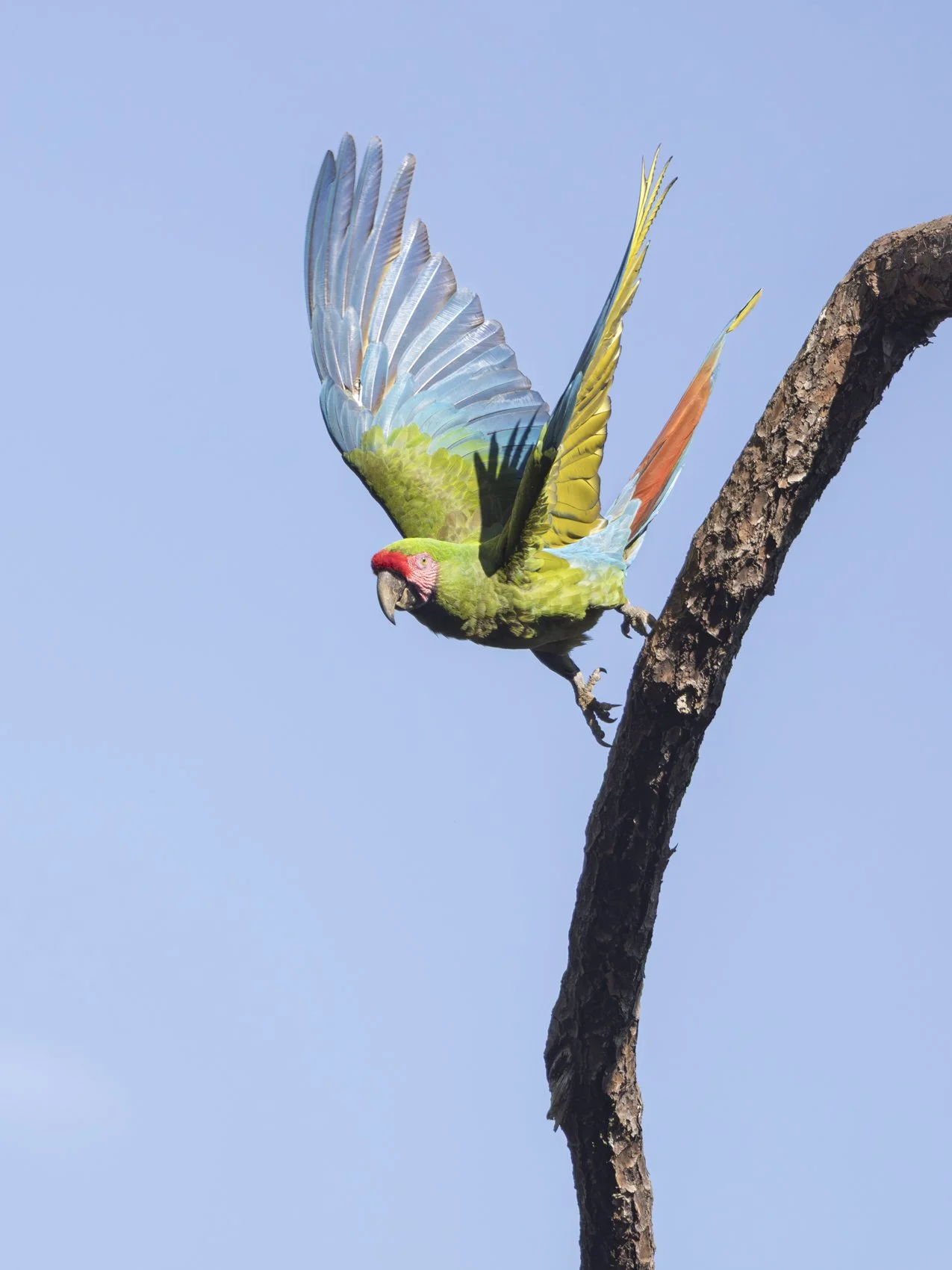
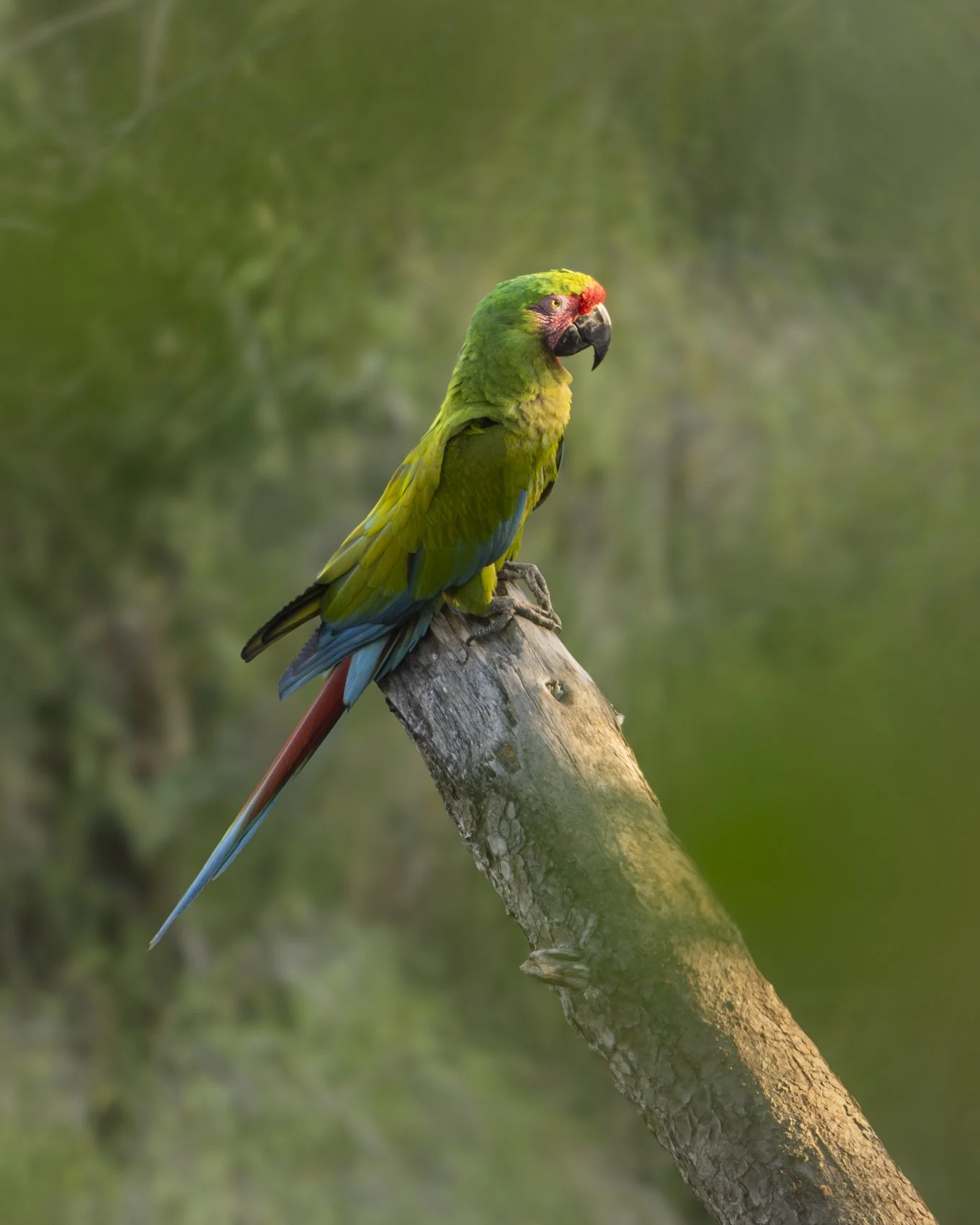
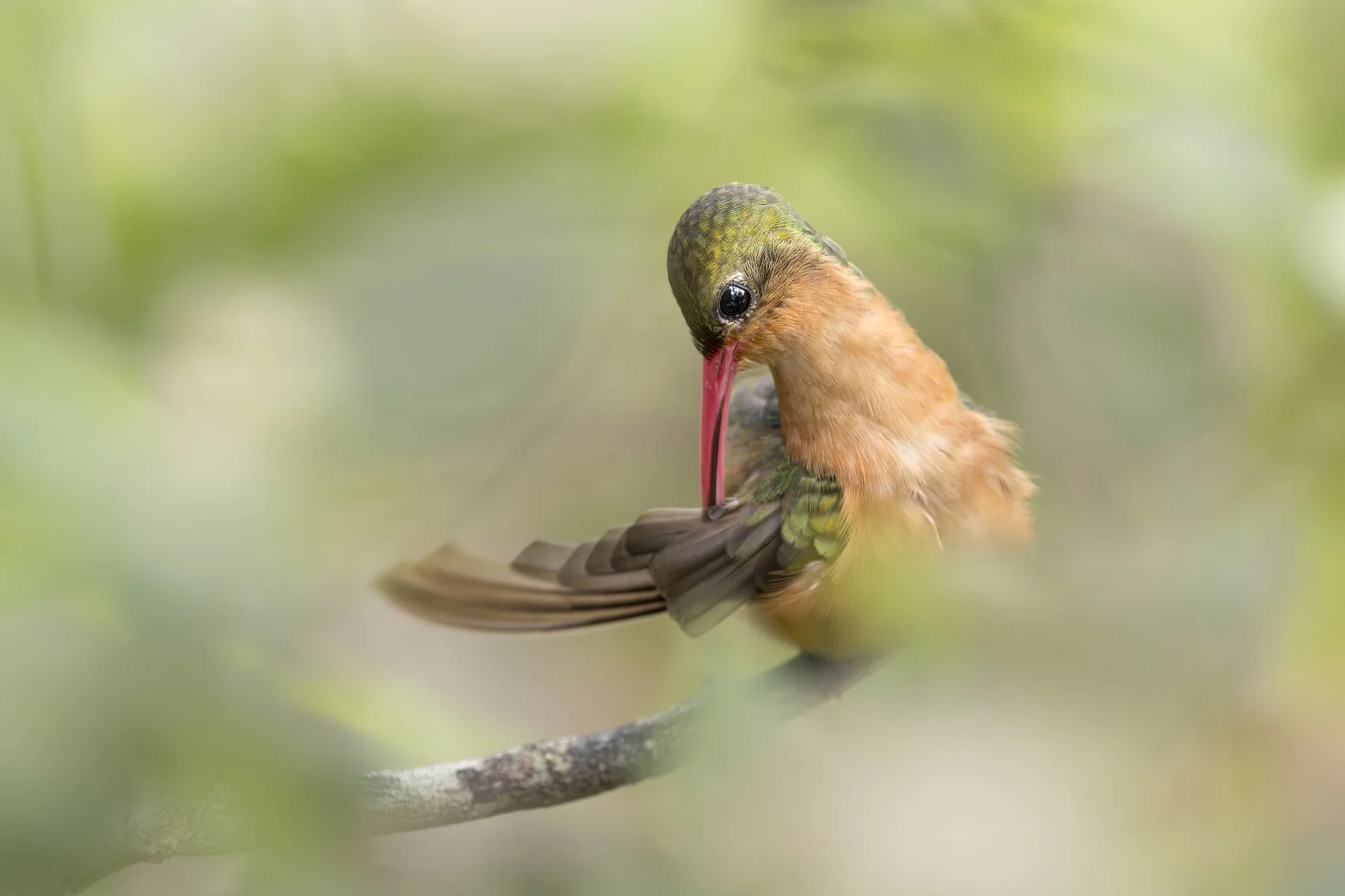
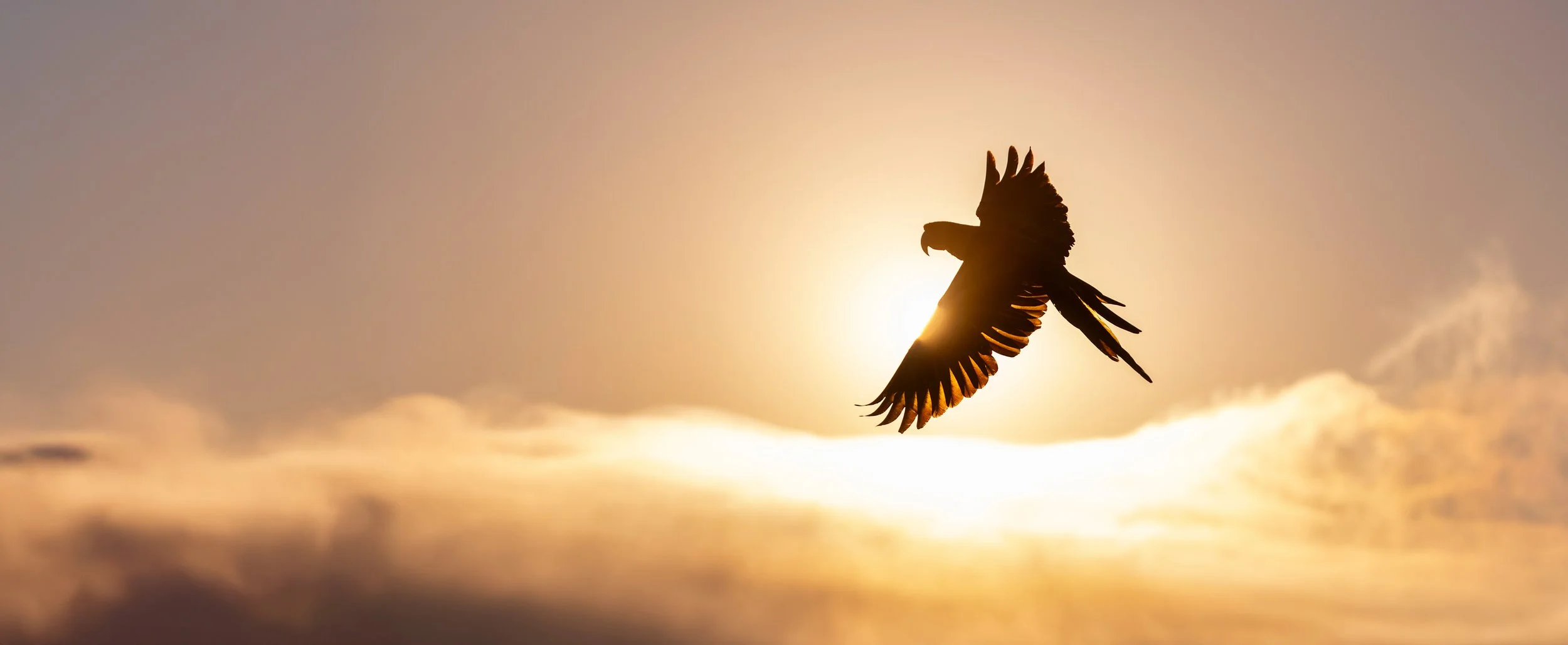
We will venture into the forested hills of western Mexico, where vibrant birdlife thrives in a completely different landscape. Here, we’ll focus on photographing endangered Military Macaws at their nesting sites, along with a rich diversity of tropical songbirds and hummingbirds. This region offers an exciting contrast and a rewarding finale to the tour.
Details
-
The workshop fee is based on double occupancy and includes all accommodation, entry fees into reserves, full time guiding and instruction, and more. The rate includes some meals, but not all (more information in the FAQ section below). Single supplement (non-shared hotel room) is available for $790 CAD or $580 USD. If there is another person on the tour from the same gender who wishes to share a room, we can pair you up (if you both agree you are a good match), to avoid paying the single supplement.
-
These dates have been specifically selected to maximize our bird photography opportunities, coinciding with courtship and nesting season for many species.
-
A booking deposit of $600 USD or $800 CAD is required to book. The deposit is fully refundable minus a 3.5% processing fee for 20 days after you book, or up until August 1 2026 (whichever comes first). The remaining balance is due by October 1 2026. For cancellation 71-100 days before the trip, a 50% refund will be issued. Refunds are not available for cancellation 70 days or less prior to trip departure.
-
Our notably small group size will make for a non-crowded, exclusive experience.
-
A telephoto lens with a focal length of 300mm or greater is recommended for this trip. However, we will also have ample opportunity for closeup encounters with seabirds, where a wide and mid range lens will be incredibly valuable, such as a 24-105mm, or similar.
I typically travel here with three lenses to cover all scenarios: my 14mm, 24-105mm and 100-500mm.
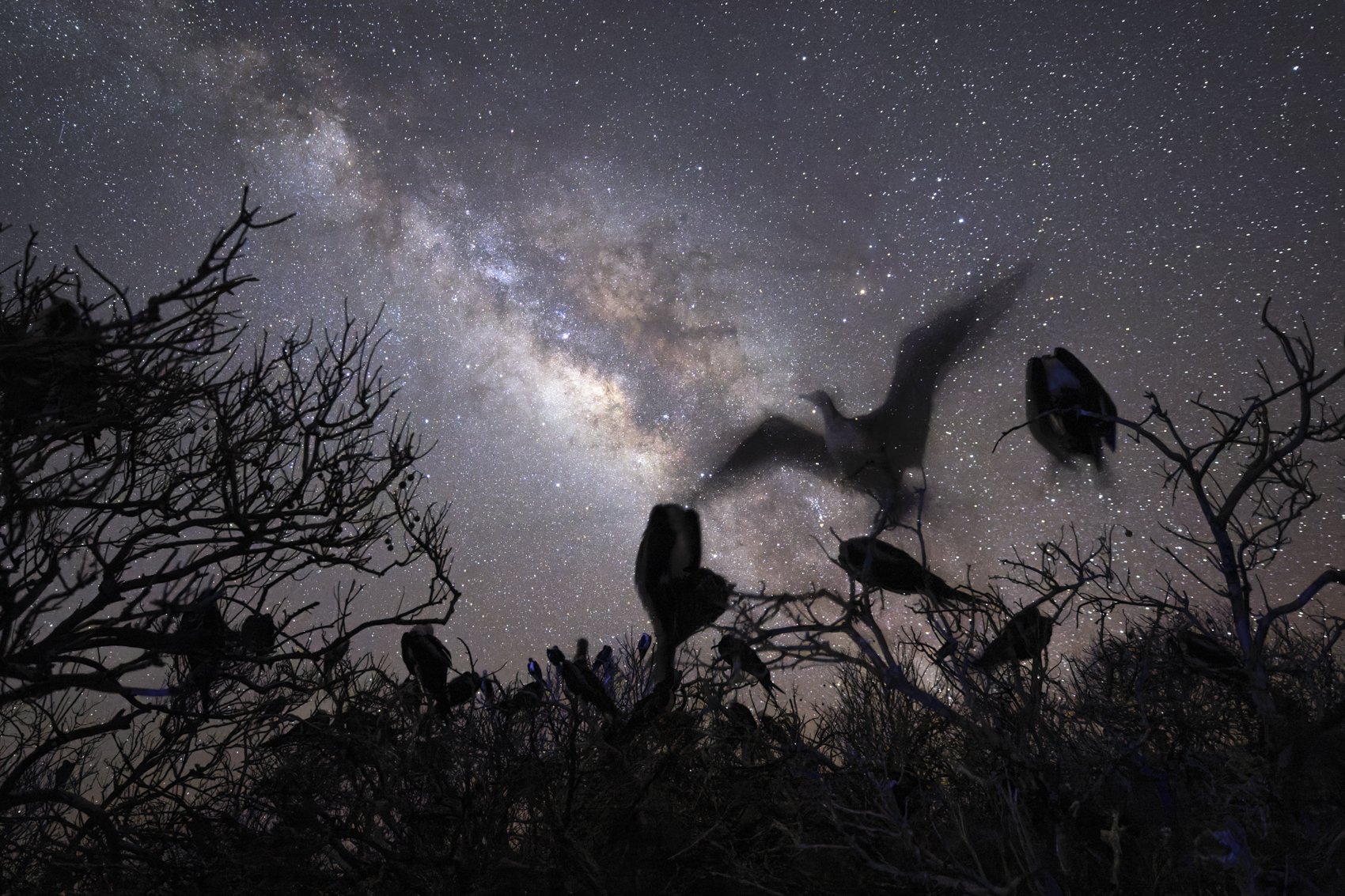
As some of our time will be spent walking on trails, a portable setup that you are able to handhold is may be a good idea (for example, a DSLR or mirrorless camera with a lightweight telephoto lens such as a 100-400mm, 200-500mm, 180-600mm, etc). A tripod is also recommended (though not required), particularly if you want to try low-light or night photography.
Important Trip Information
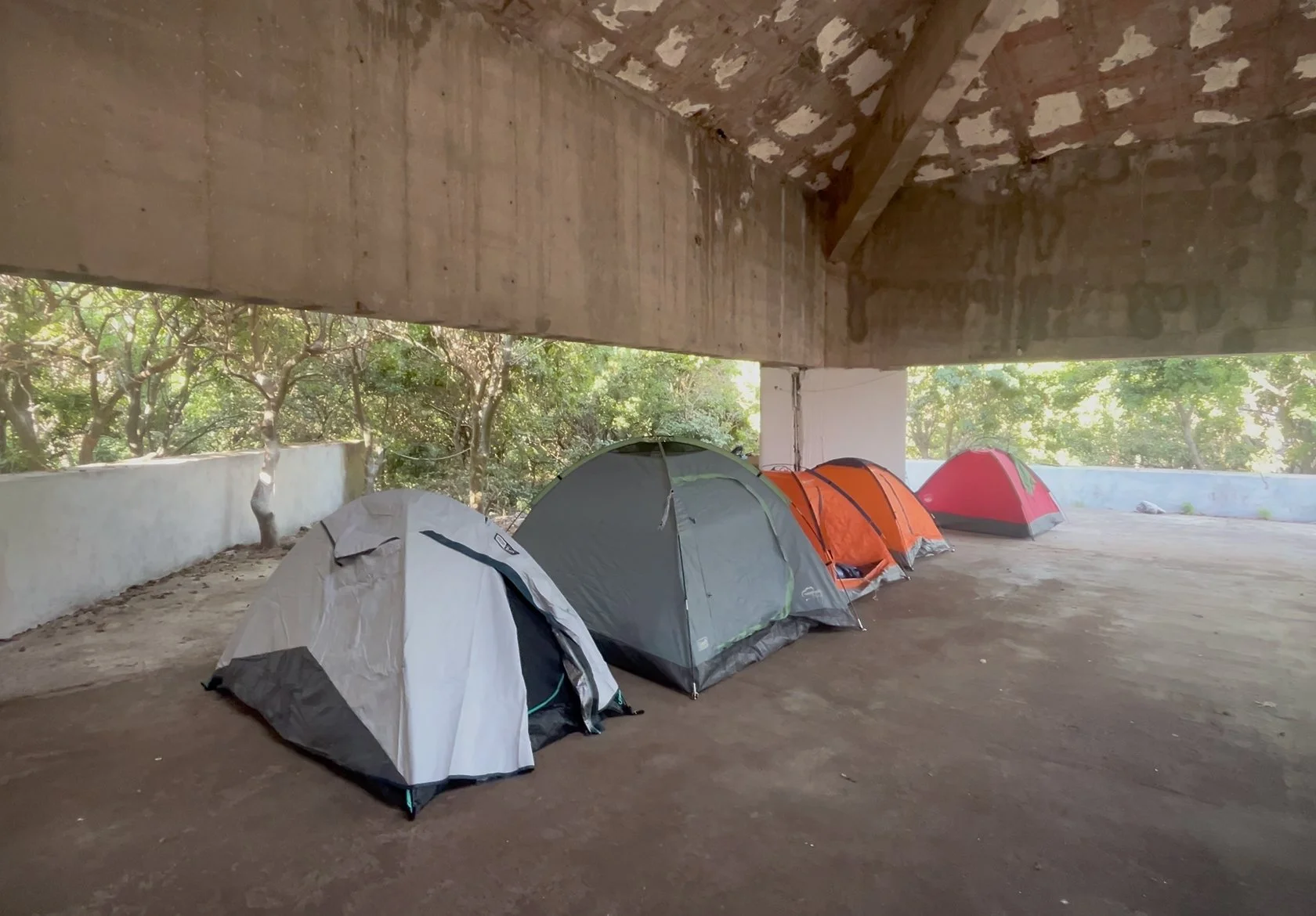
During this trip, we will spend 3 nights camping on an offshore island. Tents will be provided, but you should bring your own sleeping mat and sleeping bag or sheets. The campsite is undercover and protected from the elements, and we will have a chef on site who will prepare all of our meals. There is no running water available, but there are toilets on site that are flushed manually with water buckets. Showers are similar- there is no running water, but there are buckets of water that you can use to rinse. There is sufficient electricity available for charging all of your devices, as well as some intermittent Wi-Fi provided via satellite.
During our time with the seabirds, we will be located far away from emergency services. Travelers with health concerns should take this into account when considering whether to join this trip. Additionally, some of the terrain on the island can be steep and uneven, so tour participants should have sufficient mobility to feel comfortable walking in this environment.
If you have any questions or concerns about the physical requirements or camping conditions, please don’t hesitate to send a message!
Trip Leader: Liron Gertsman
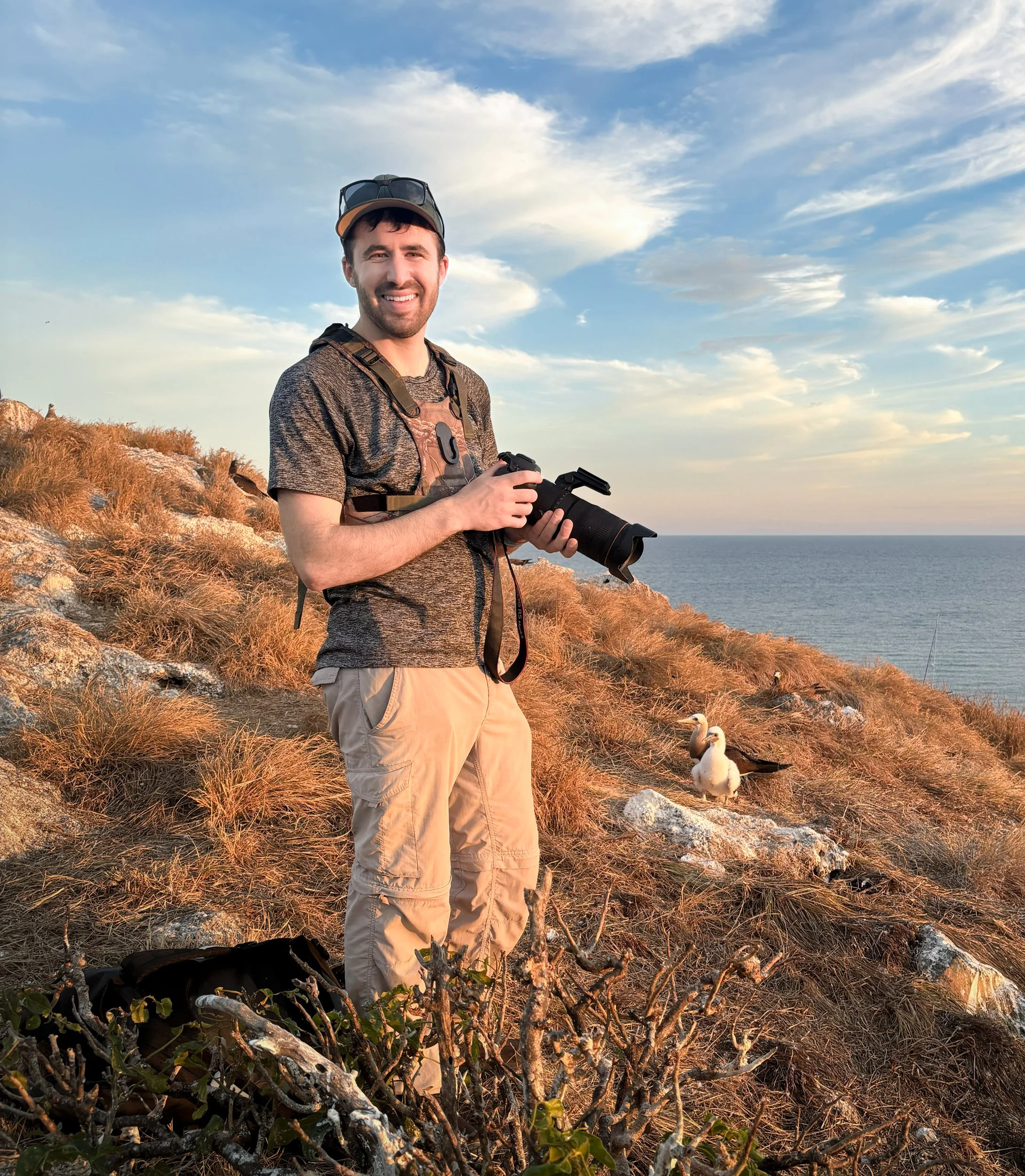
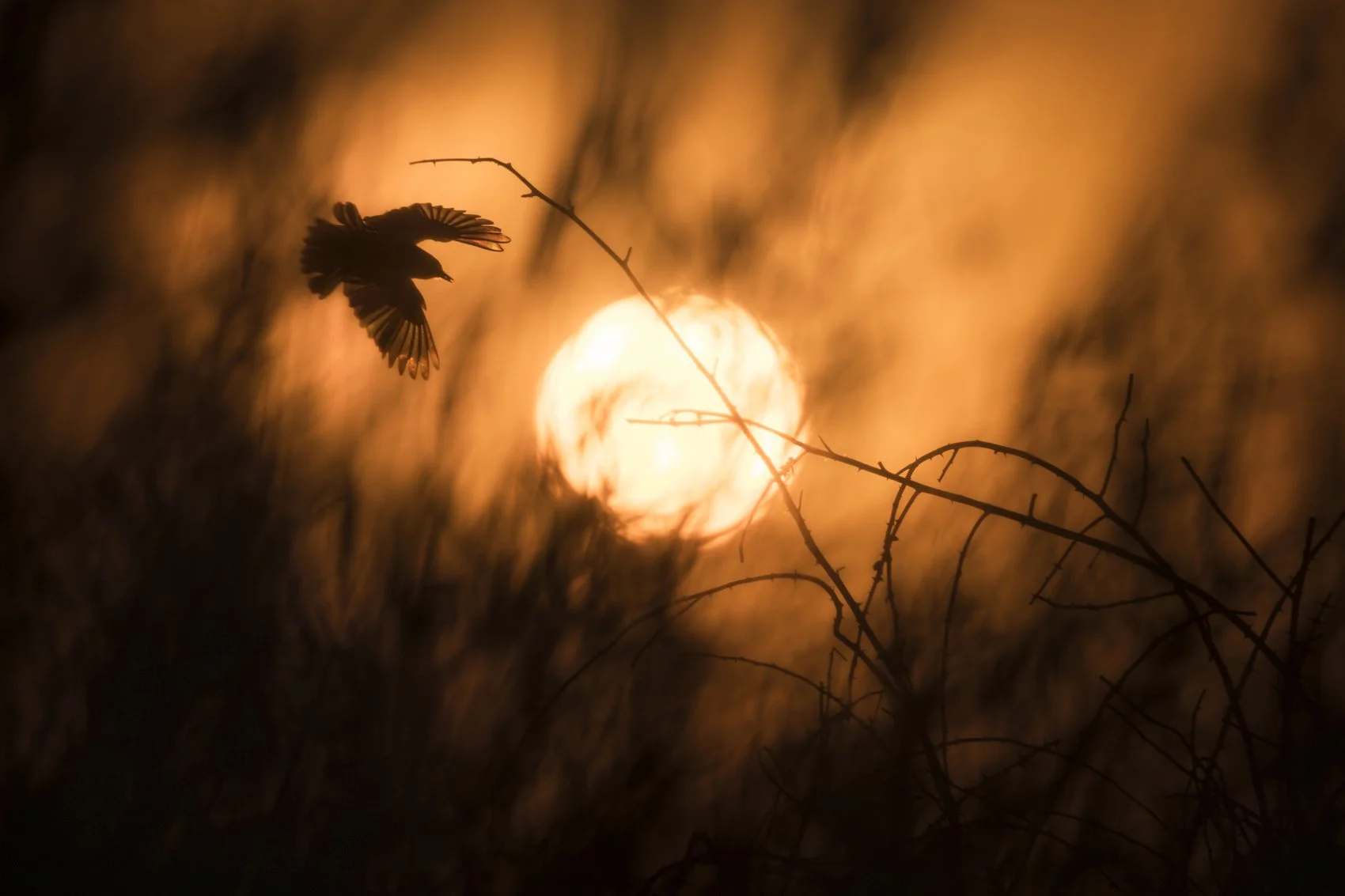
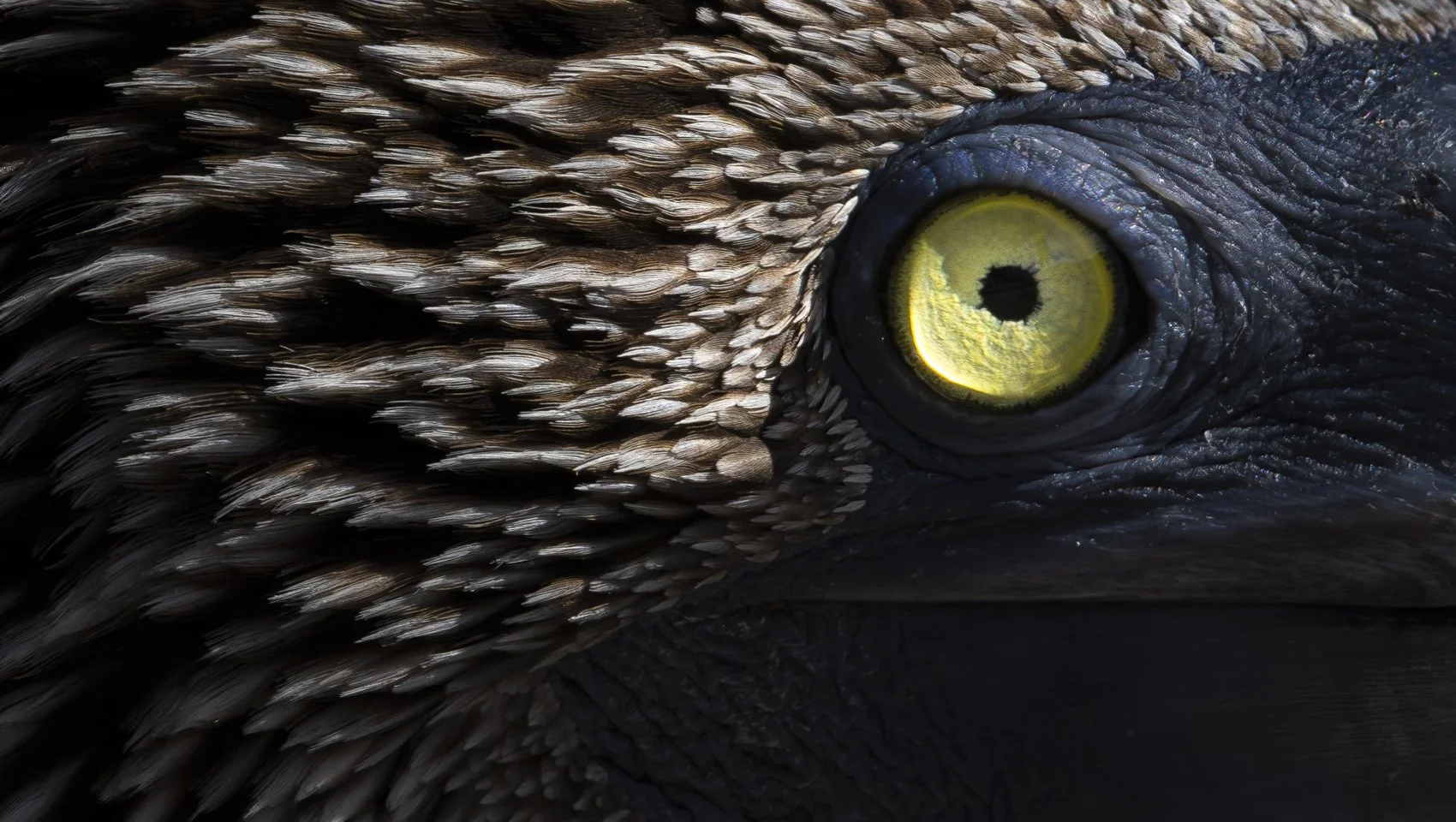
You may have seen him on CBC’s “The National”, heard his voice on CBC Radio One, or seen his work in publications such Canadian Geographic magazine, Audubon magazine, The Guardian, GEO magazine, and others. Liron Gertsman has been photographing continuously since he first got his hands on a borrowed camera at the age of five. His work has been experienced by millions in some of the largest museums across the world, including the Natural History Museum in London and the Smithsonian in Washington DC. Liron’s work has been widely recognized and awarded, winning the professional category of the 2022 and 2024 Audubon Photography Awards, winning the grand prize of the 2023 and 2025 Audubon Photography Awards, earning NASA’s “Astronomy Picture of the Day” feature, and earning a highly commended designation in the prestigious Wildlife Photographer of the Year competition. In 2025, Liron was named the Bird Photographer of the Year by the prestigious competition. Liron has a biology degree from the University of British Columbia, which he uses to enhance his passion for art and visual storytelling, providing a scientific background to inform his understanding of the natural world.
Itinerary
This itinerary has been carefully crafted to maximize our bird photography opportunities along our route in western Mexico.
-
Our tour begins in Puerto Vallarta. We’ll meet in the evening at a hotel not too far from the airport for an orientation session and dinner.
-
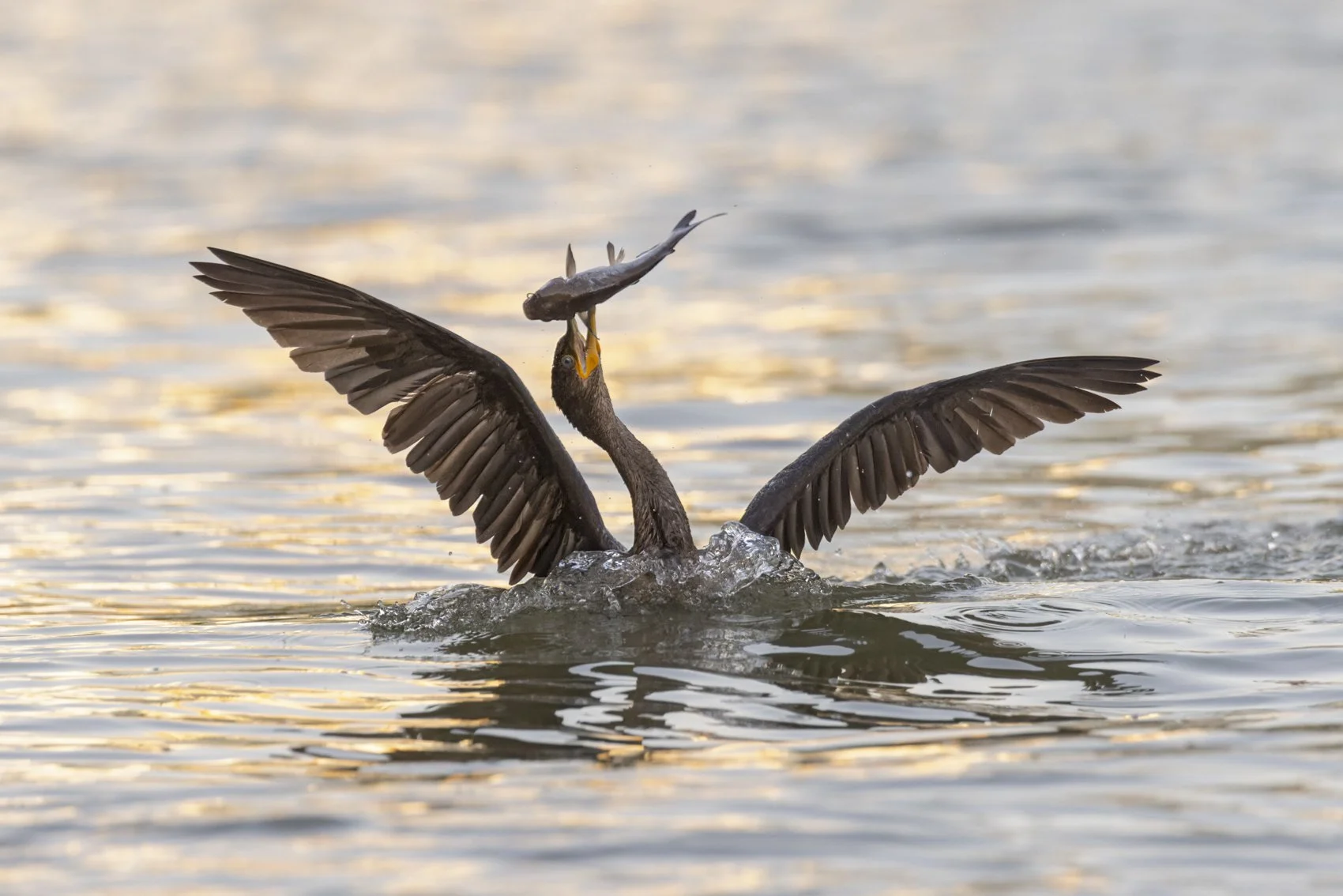
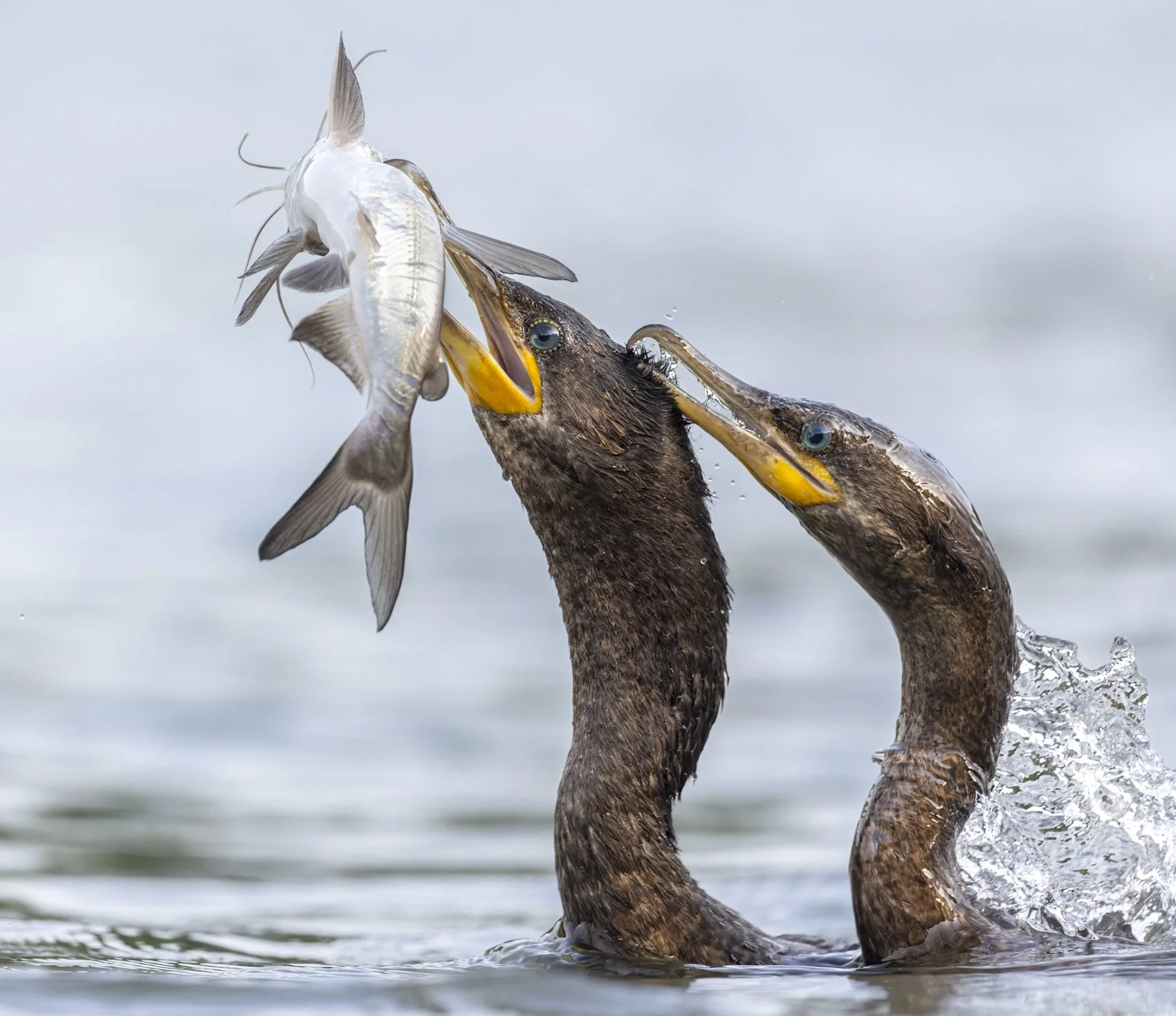
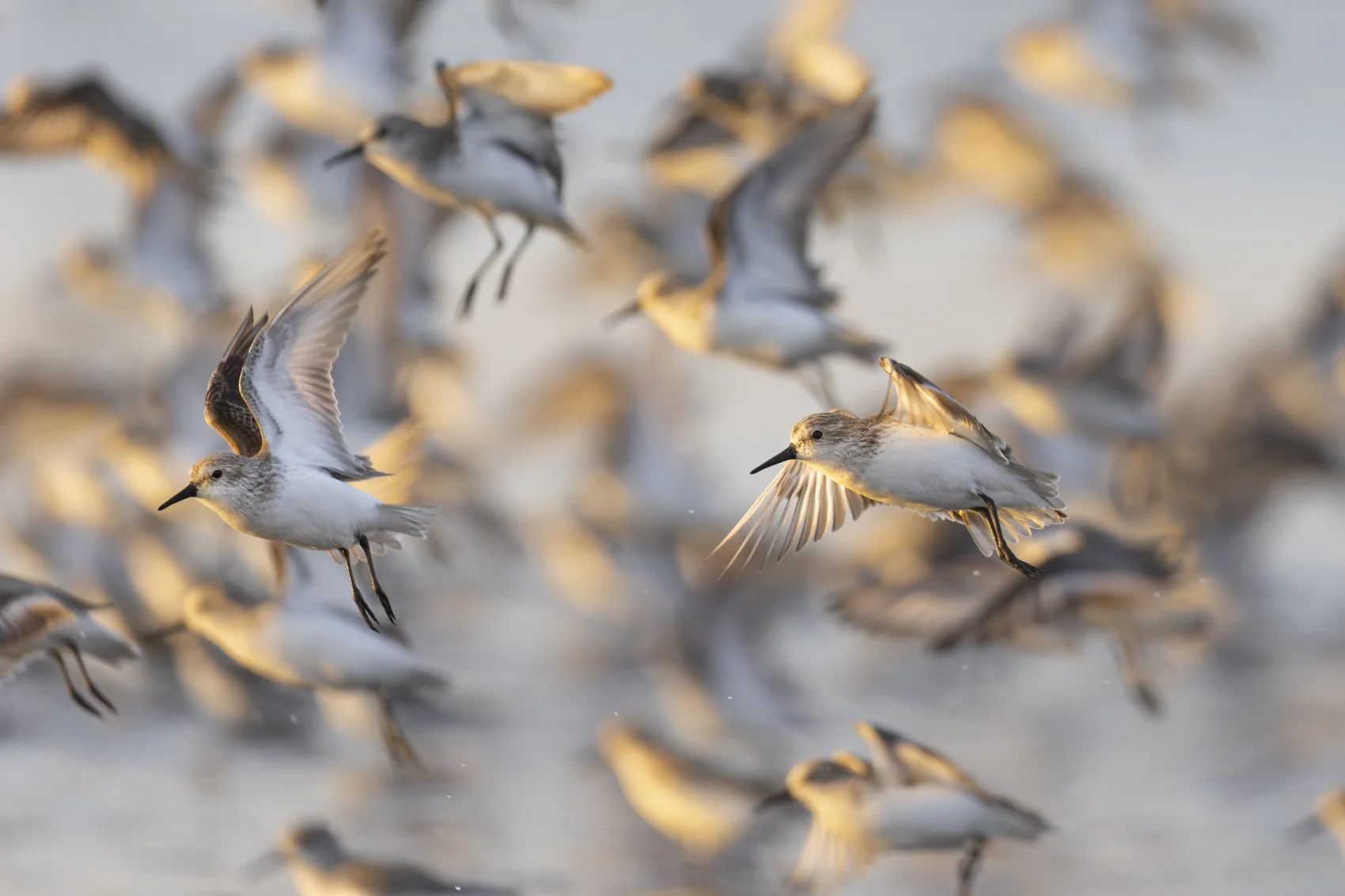
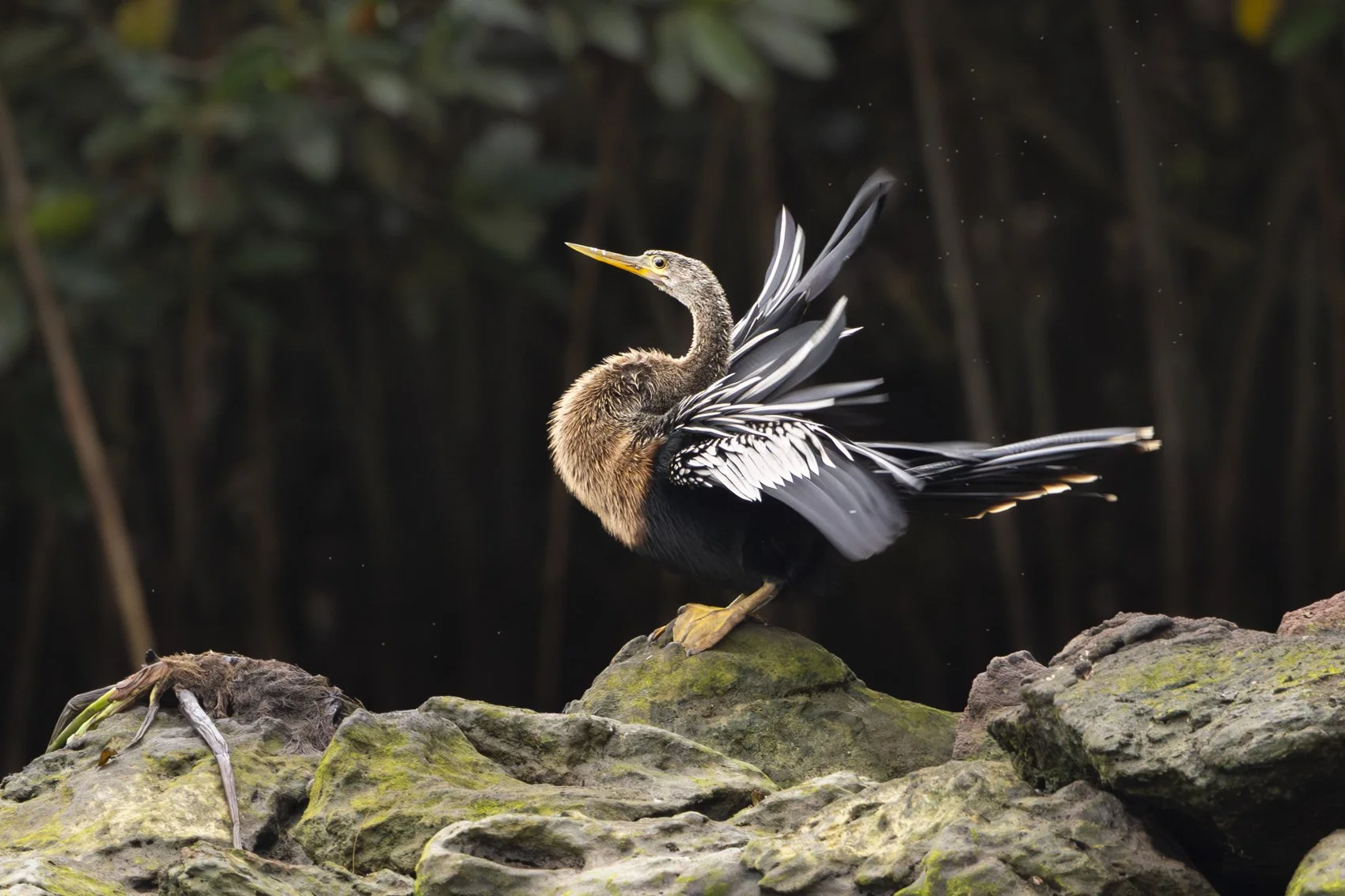
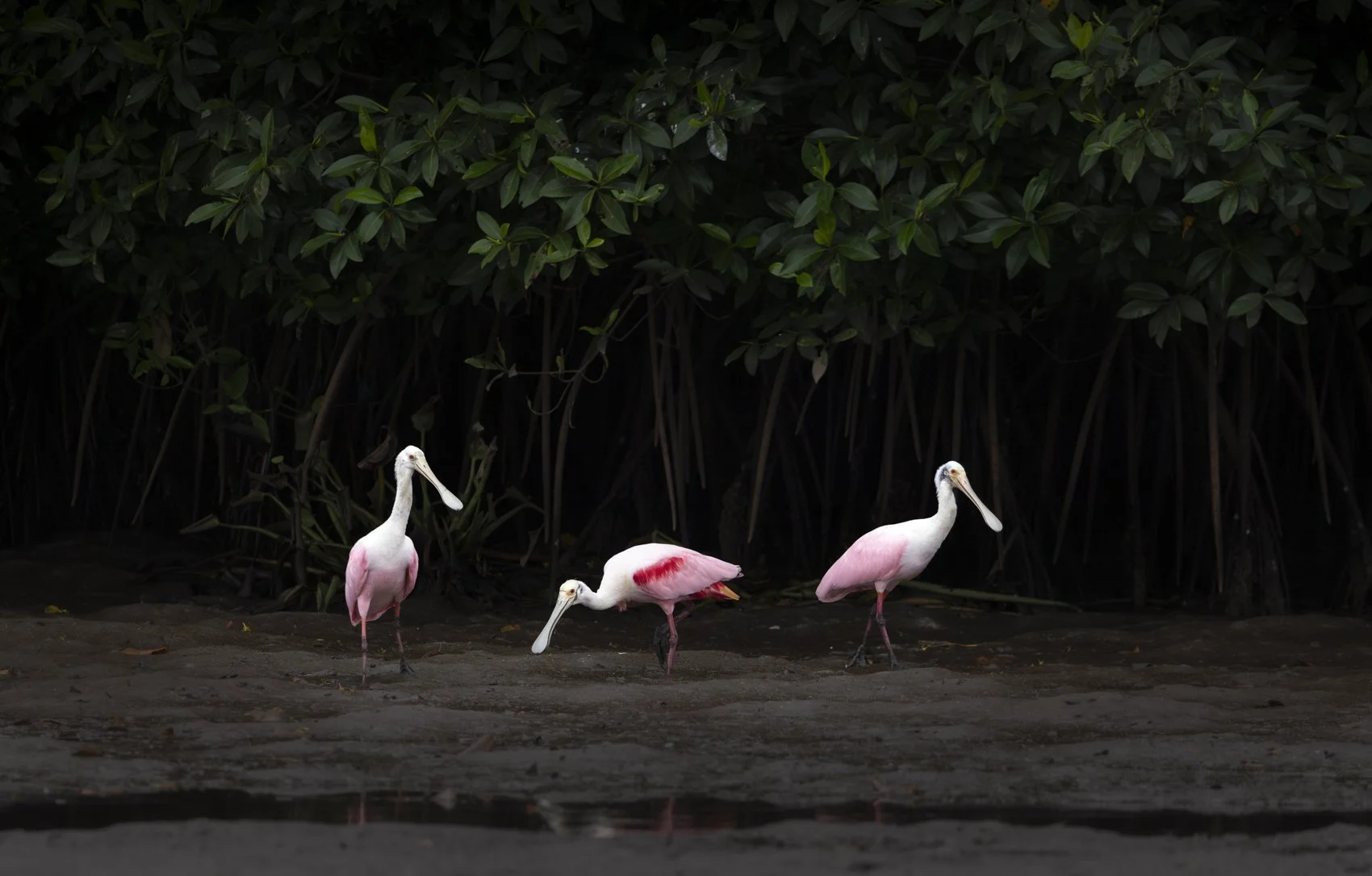
From Puerto Vallarta, we’ll head north by vehicle for about 3 hours to the seaside town of San Blas. Located in the province of Nayarit, San Blas is considered a global hotspot for bird enthusiasts, due to its high diversity of habitat and specialty western Mexican bird species. In the late afternoon and evening, we’ll head out onto the river with a motor canoe to photograph wetland birds in the beautiful mangrove environment. Egrets, herons (including the unique Boat-billed Heron), ibis, shorebirds, kingfishers, Anhinga, and more, are all common here. With some luck, we may also encounter the beautiful Roseate Spoonbill.
-
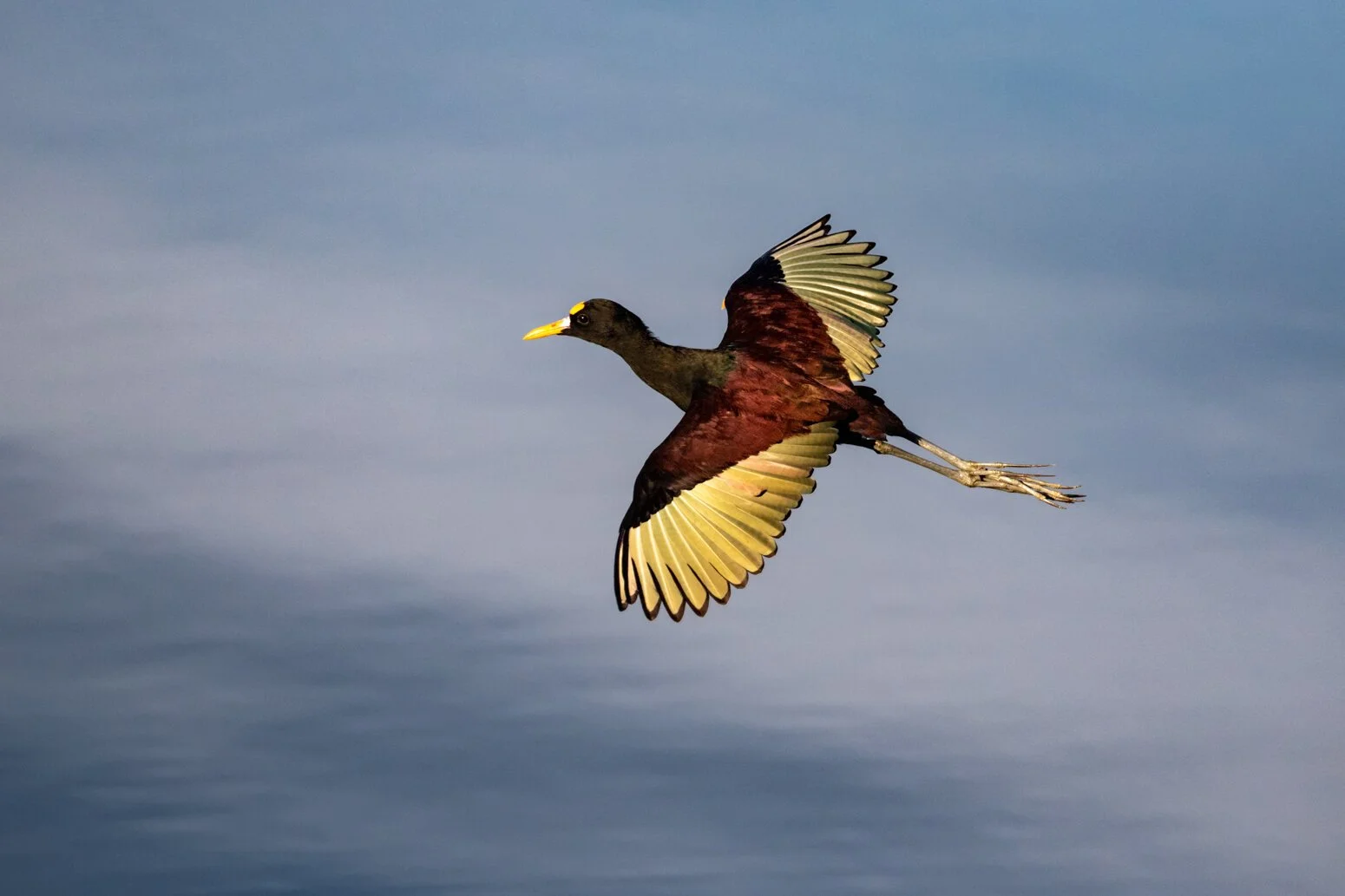
We’ll begin our morning with another river boat excursion. Heading out for the sunrise light, we’ll make our way to a beautiful and remote freshwater lagoon. Here, we may encounter more herons and egrets, Northern Jacana, birds of prey (such as Snail Kite, Crane Hawk, Common Black Hawk, Crested Caracara, and more), kingfishers, blackbirds, gallinules, and we’ll even a chance for the rare Yellow-breasted Crake. Later in the day, we’ll do some more bird photography around San Blas, with possibilities including shorebirds on the beaches, and forest birds such as the Ferruginous Pygmy-Owl.
-
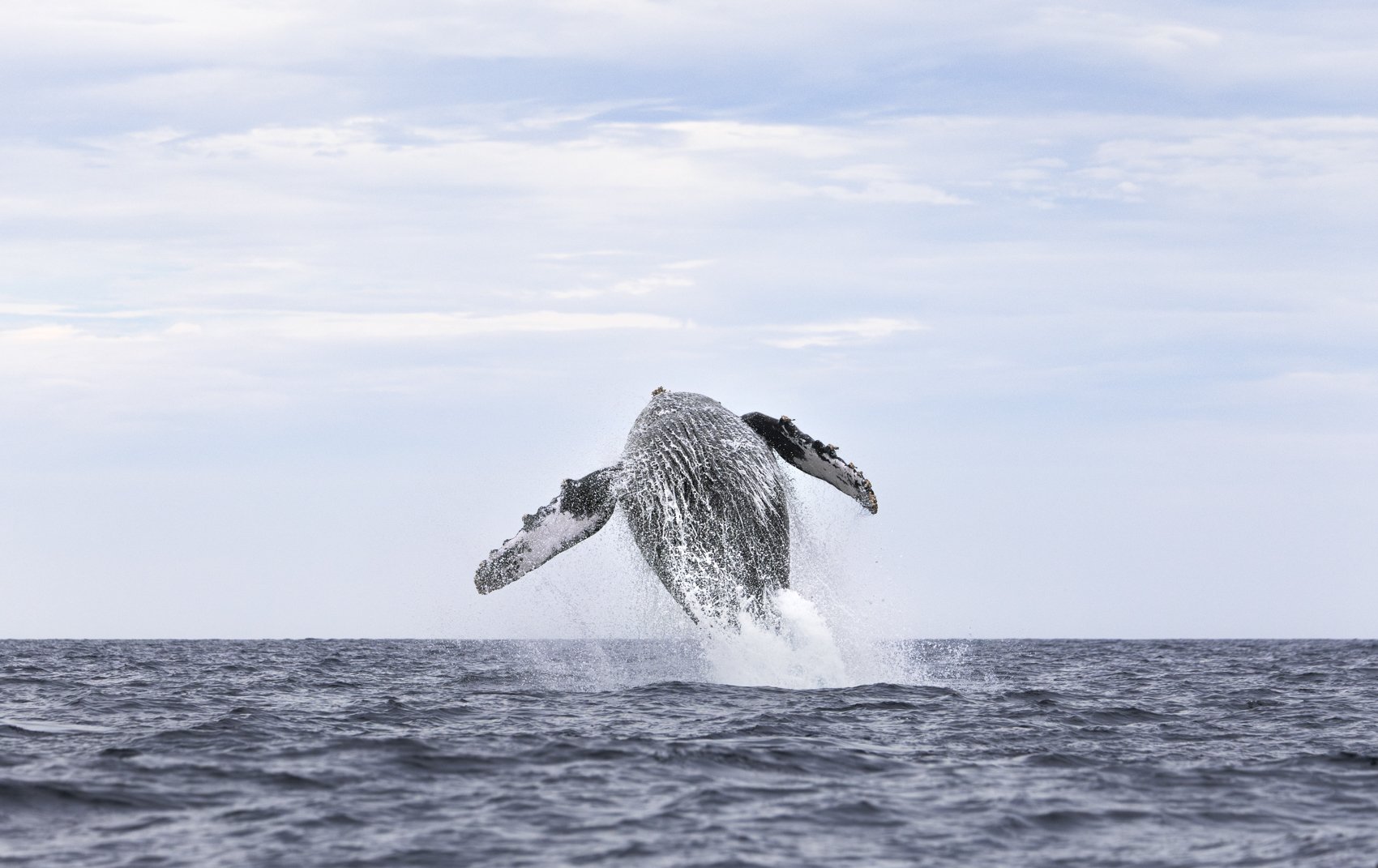
On day 4, we’ll board a high-speed boat and make our way offshore, heading to an island home to tens of thousands of nesting seabirds. The 3-hour journey could become longer if we encounter wildlife along the way! In these waters, it is not uncommon to see large pods of dolphins, as well as Humpback Whales. There’s also a chance for Whale Sharks, and snorkeling with them is permitted if conditions allow (but always optional).
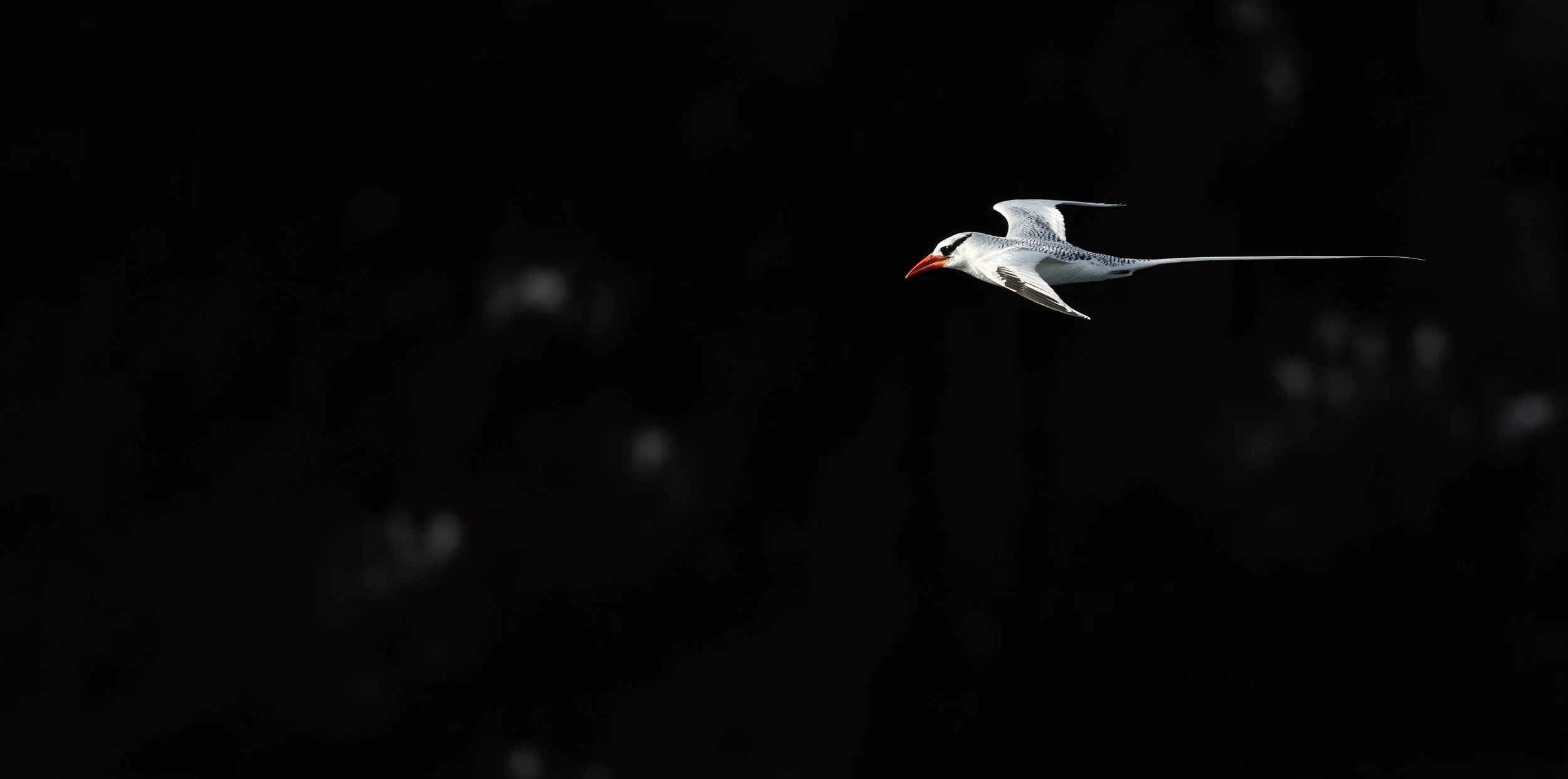
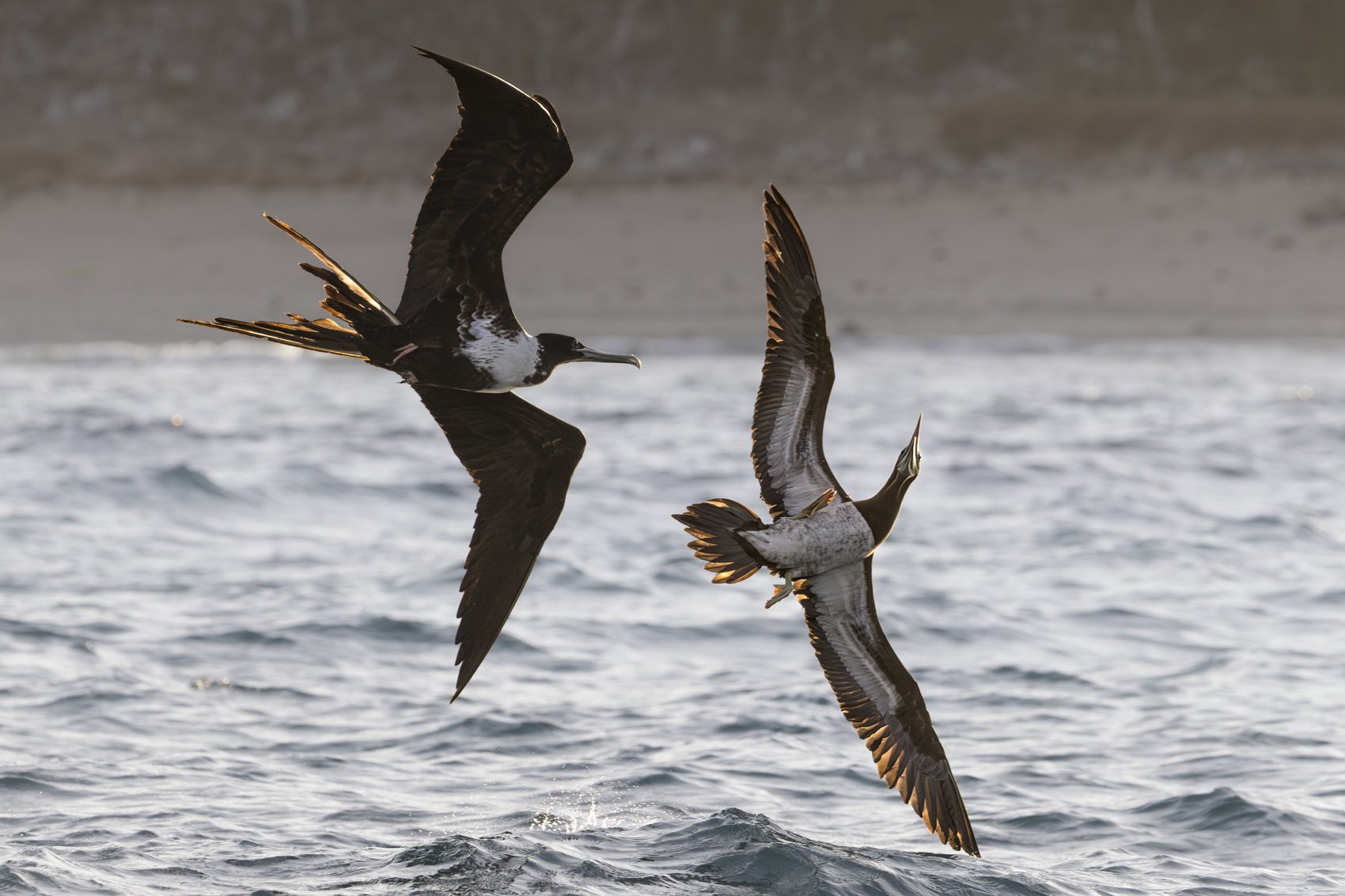
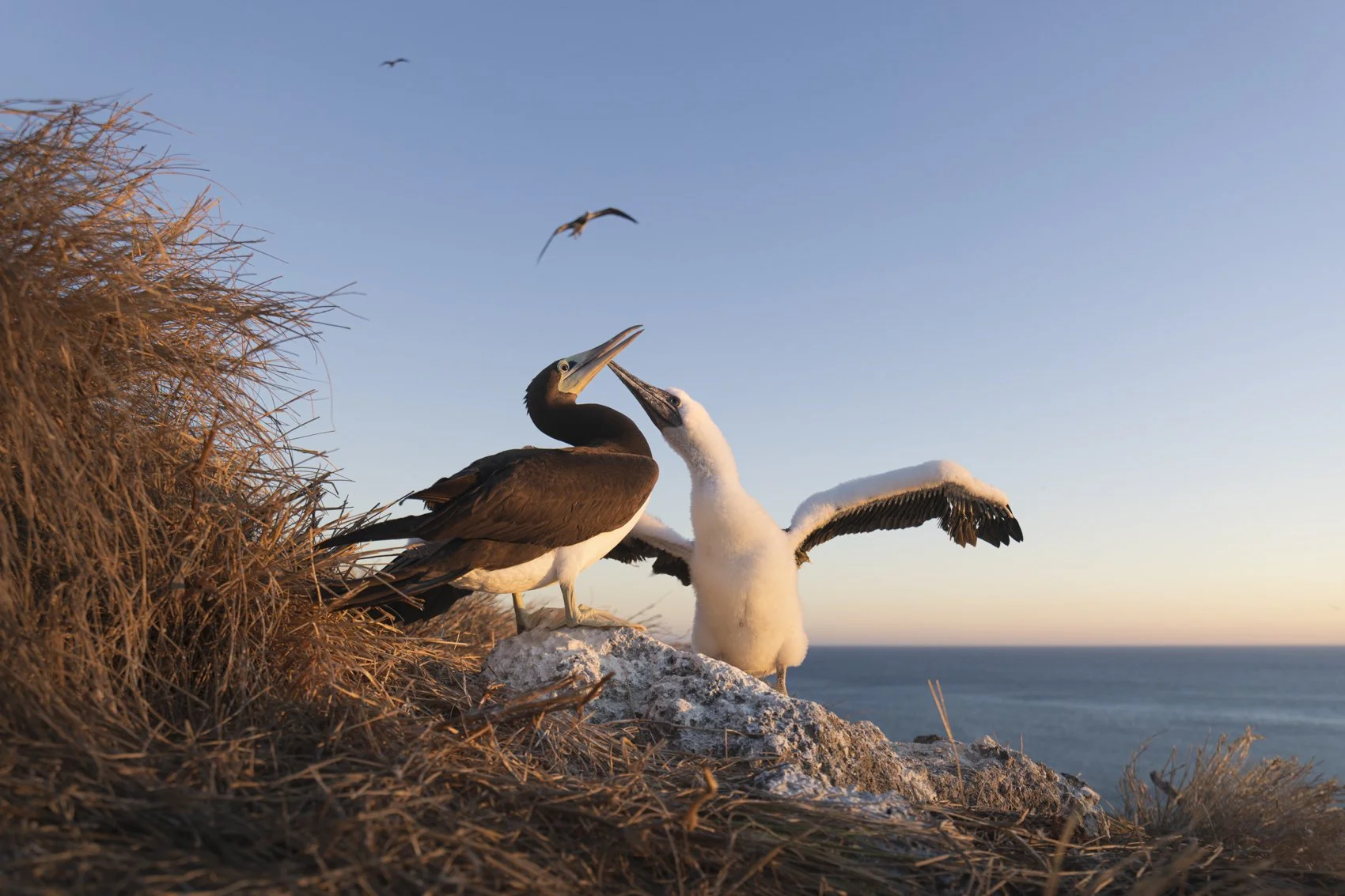
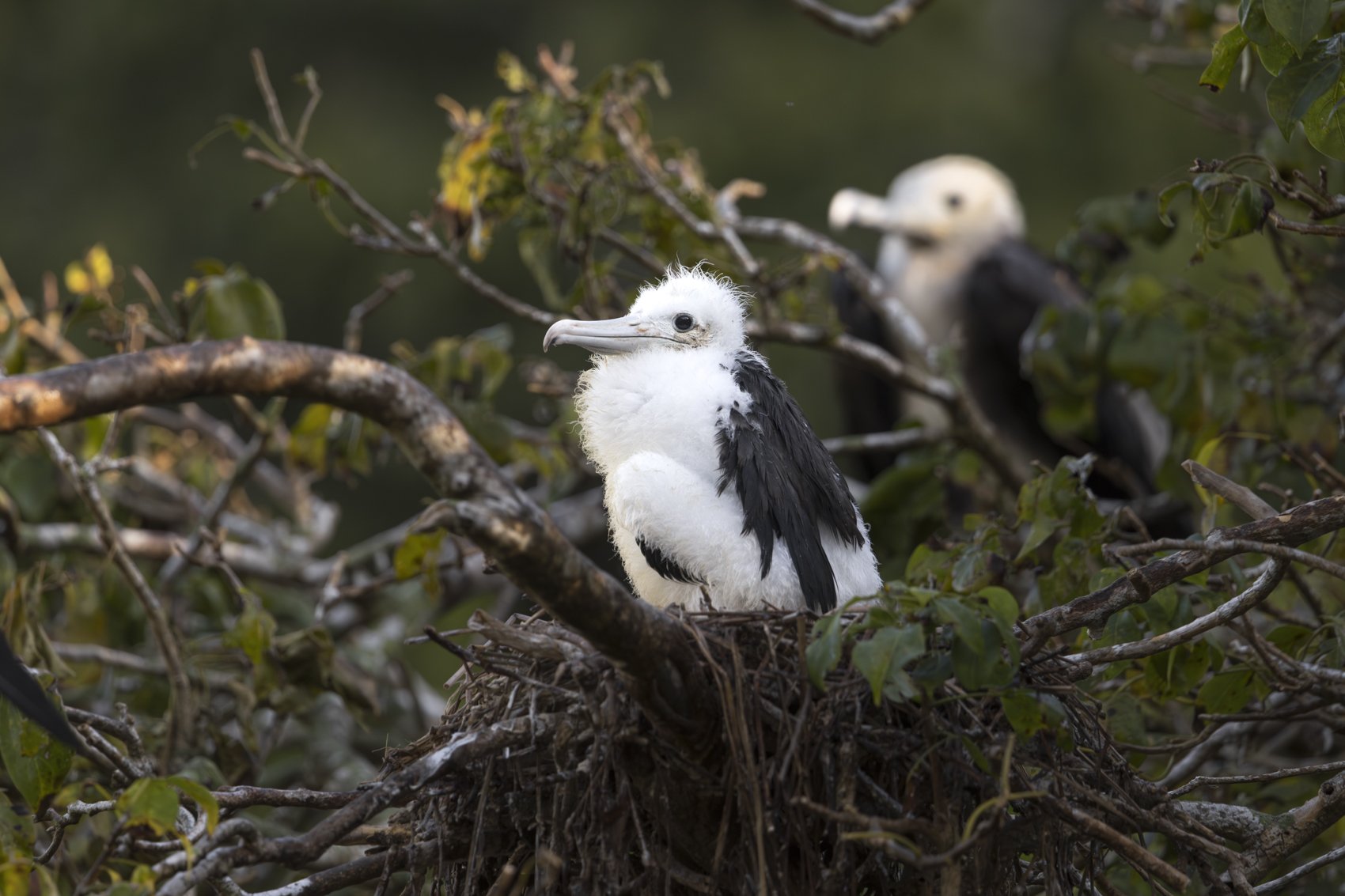
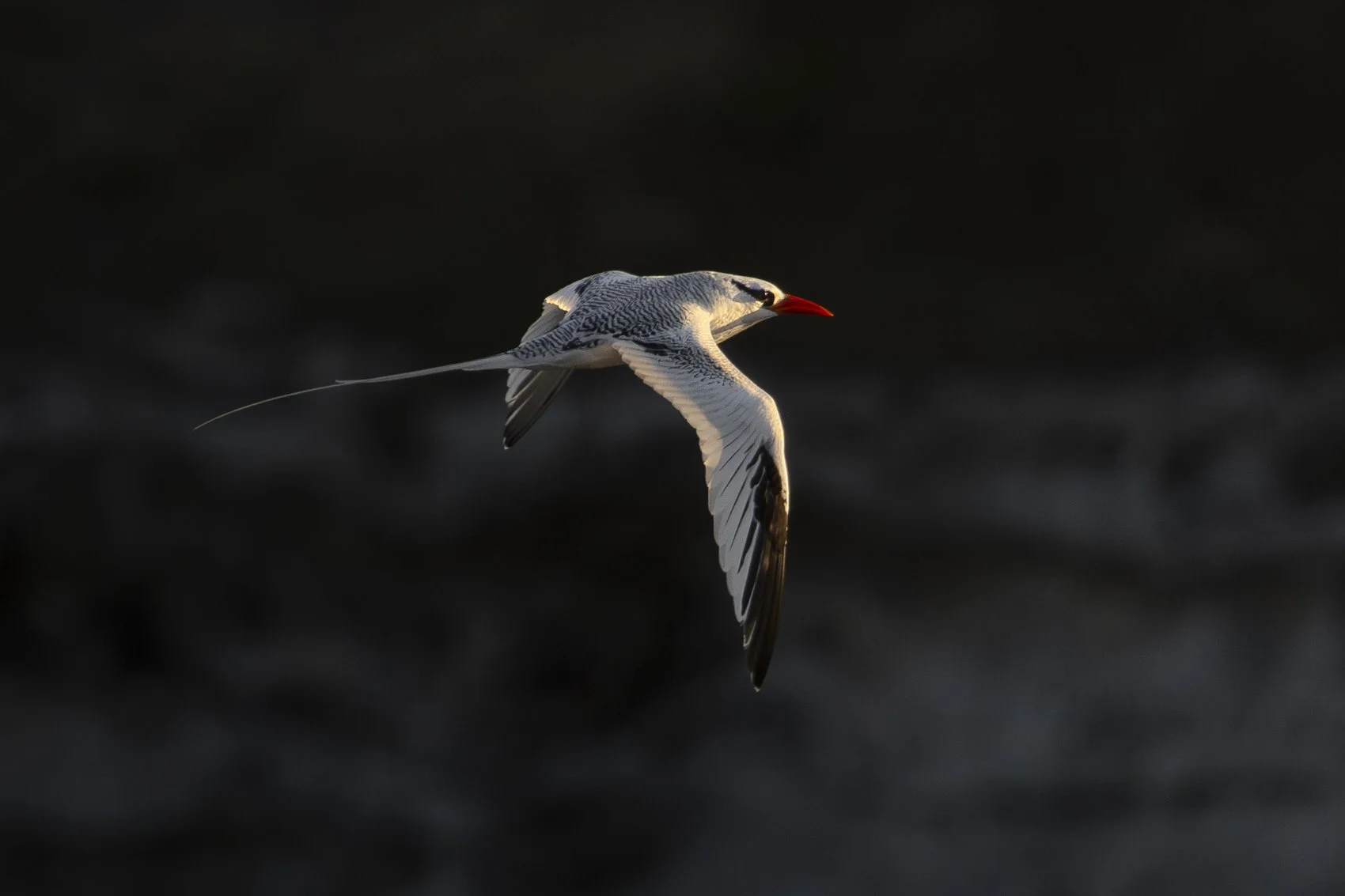
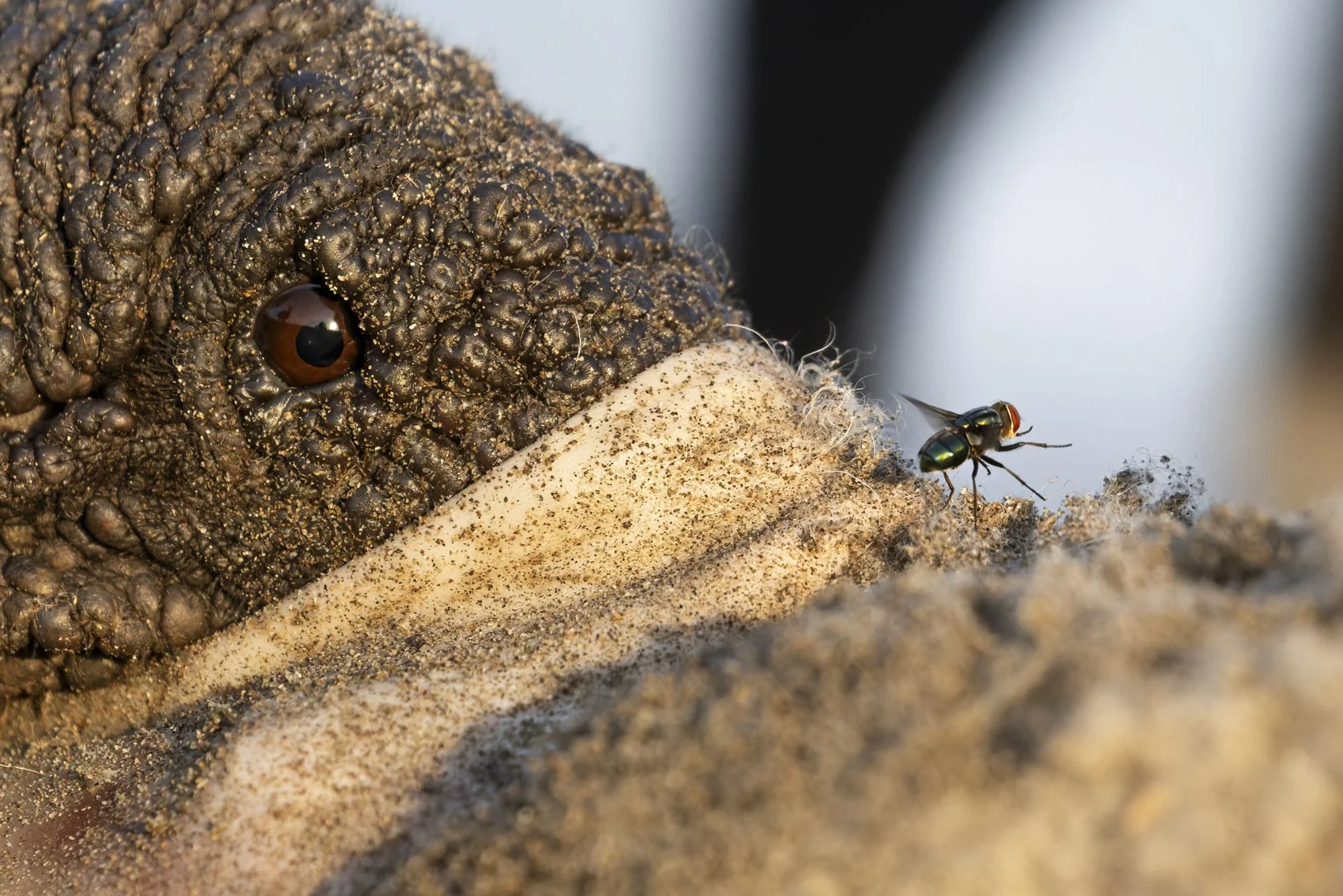
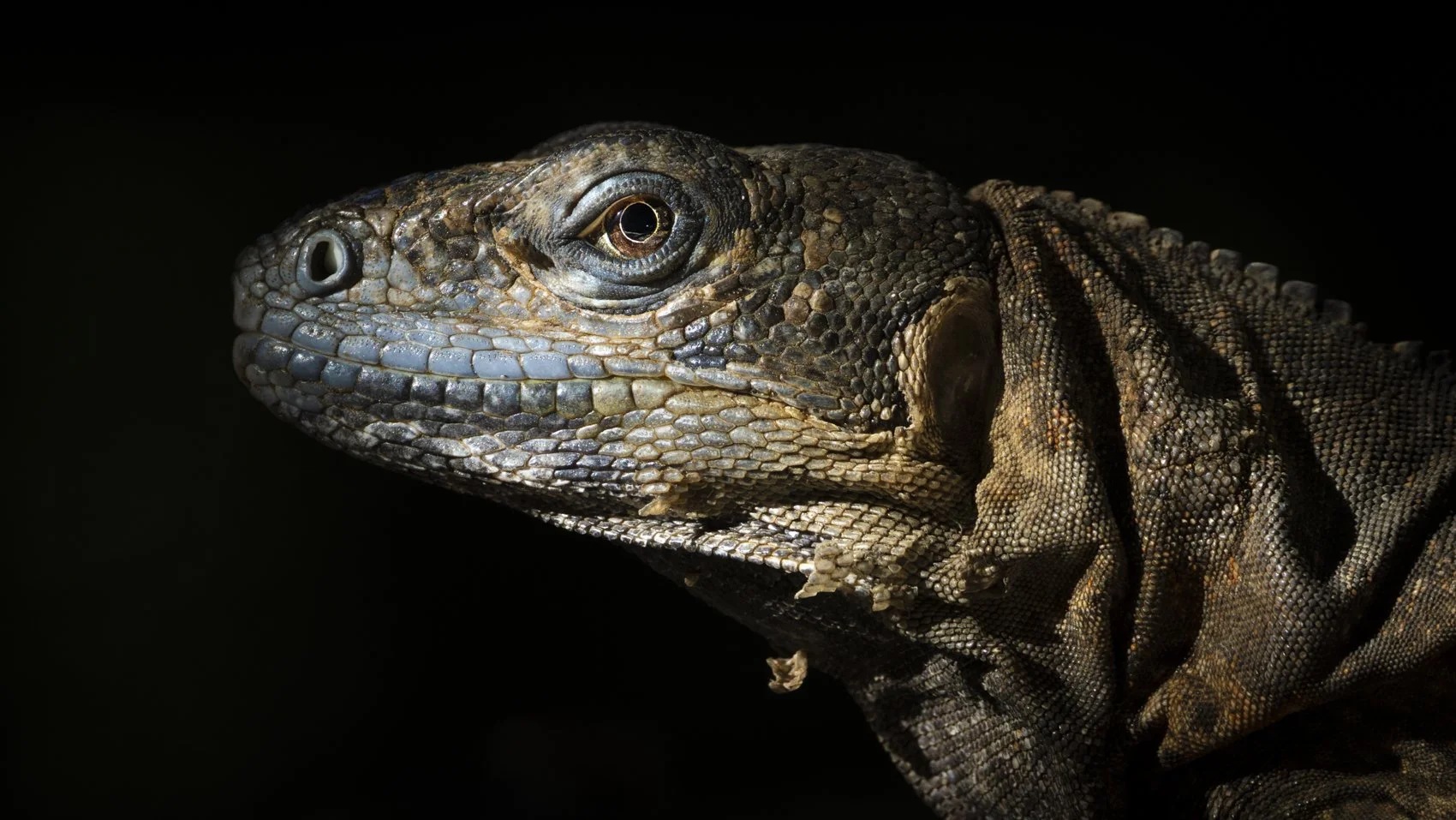
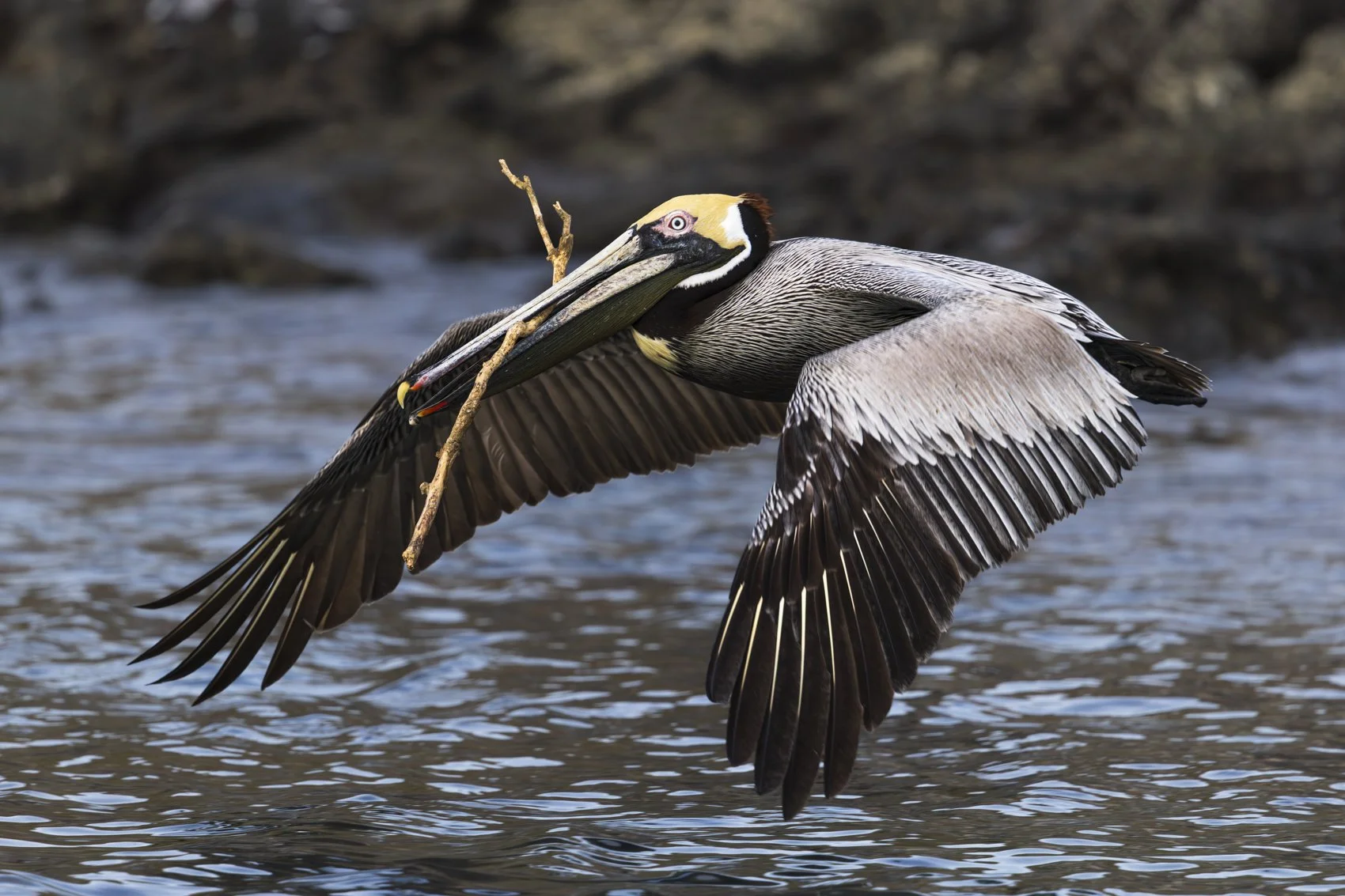
Eventually, we’ll arrive at our home for the next few days, where we will be camping. The island is home to tens of thousands of nesting Magnificent Frigatebirds, and thousands of nesting Blue-footed and Cocos Boobies. In some years, there are also small numbers of Red-footed Boobies nesting. In addition, Red-billed Tropicbirds are abundant breeders on the cliffs, Heermann’s Gulls are common breeders on the rocky beaches, and Brown Pelicans can also be found nesting. In some years, there can be Sooty and Bridled Terns around, but this is not a guarantee. Raptors such as Peregrine Falcon can also sometimes be seen on the island, where they hunt the nesting seabirds. We’ll have incredible freedom to explore this amazing island, allowing unparalleled opportunities to get spectacular photos of these nesting seabirds. In addition to the birds, the island is home to a large population of iguanas, who can make for some amazing photography opportunities.
In total, we’ll have 3 sunrises and 3 sunsets on the island, as well as lots of time in between. There is great snorkeling in this area as well, which will be provided on most days as an optional activity. On day 7, after one final sunrise in this bird paradise, we’ll board our boat for the journey back to the mainland, arriving back in San Blas in the late afternoon.
-
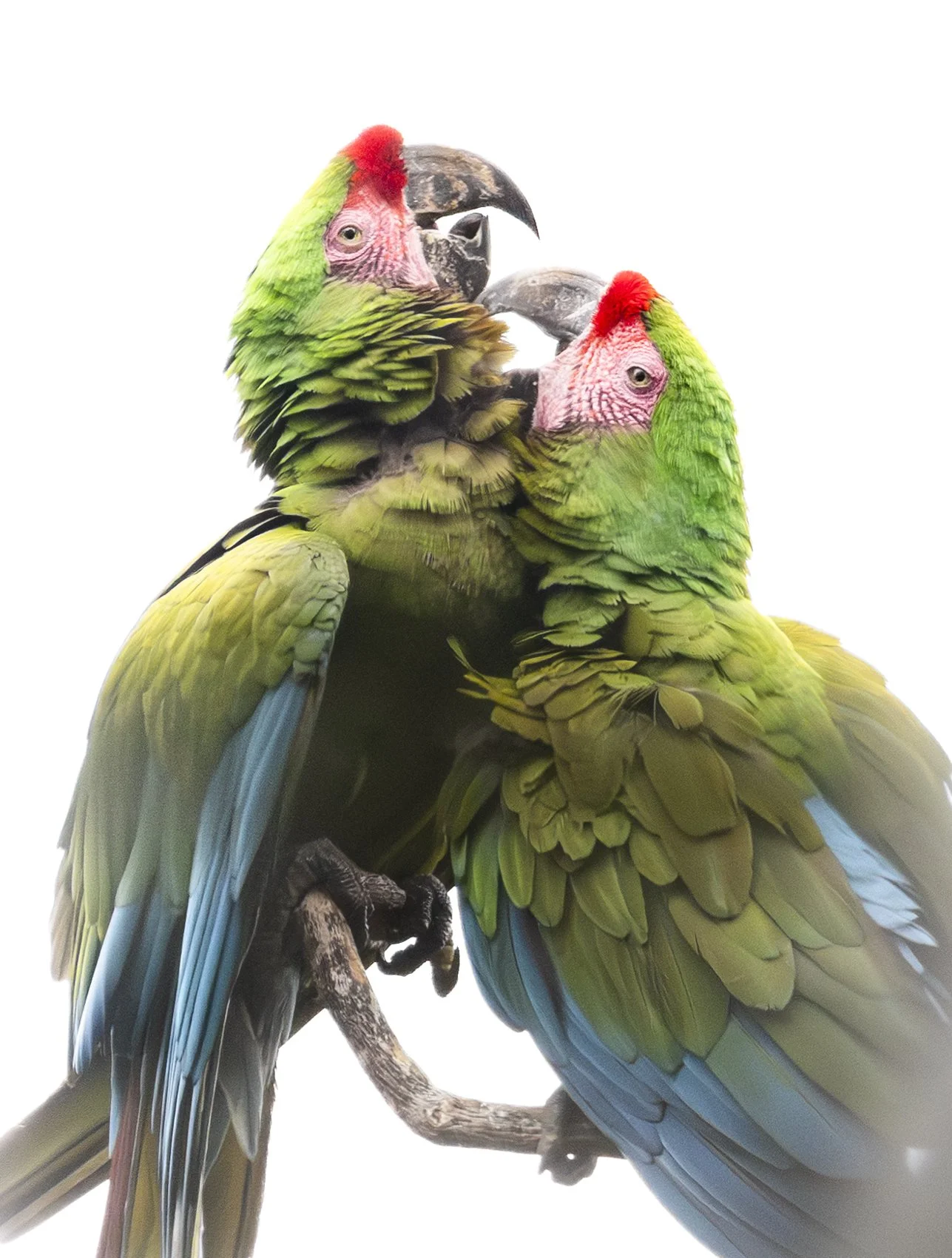
After one final morning in San Blas, we’ll head south by vehicle for about 4.5 hours to the Cabo Corrientes region, in the province of Jalisco. The habitat here is home to an incredible diversity of western Mexican forest birds. We’ll settle in at a lovely lodge, surrounded by beautiful forest, which will be our home for the next three nights. In the evening, we’ll make our first excursion to photograph nesting Military Macaws. These birds are endangered due to pressures from poaching and habitat loss, but they can be found in protected reserves in this region where they have taken to nesting in nest boxes, as well as the occasional natural cavity that can be found in larger pine trees.
-
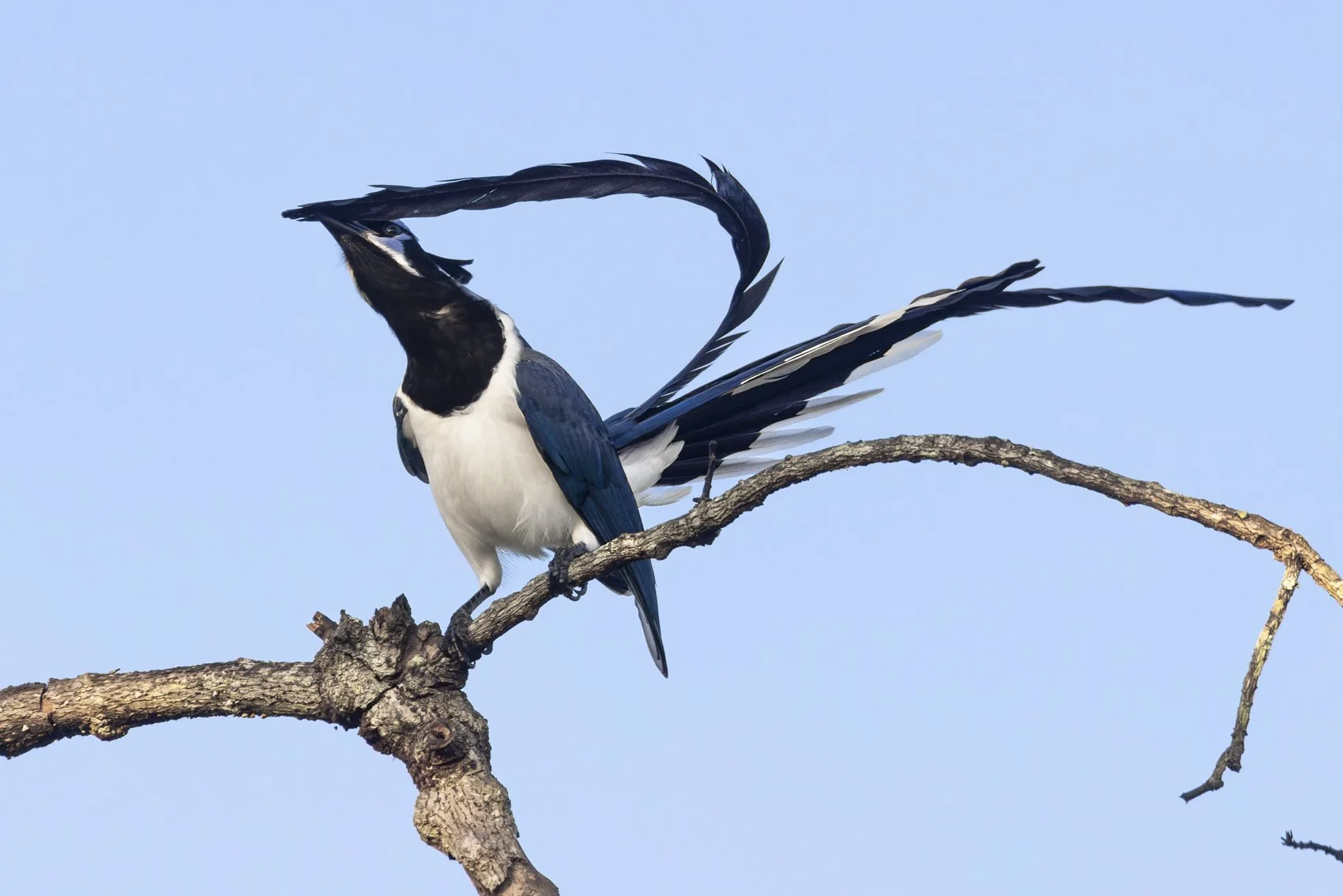
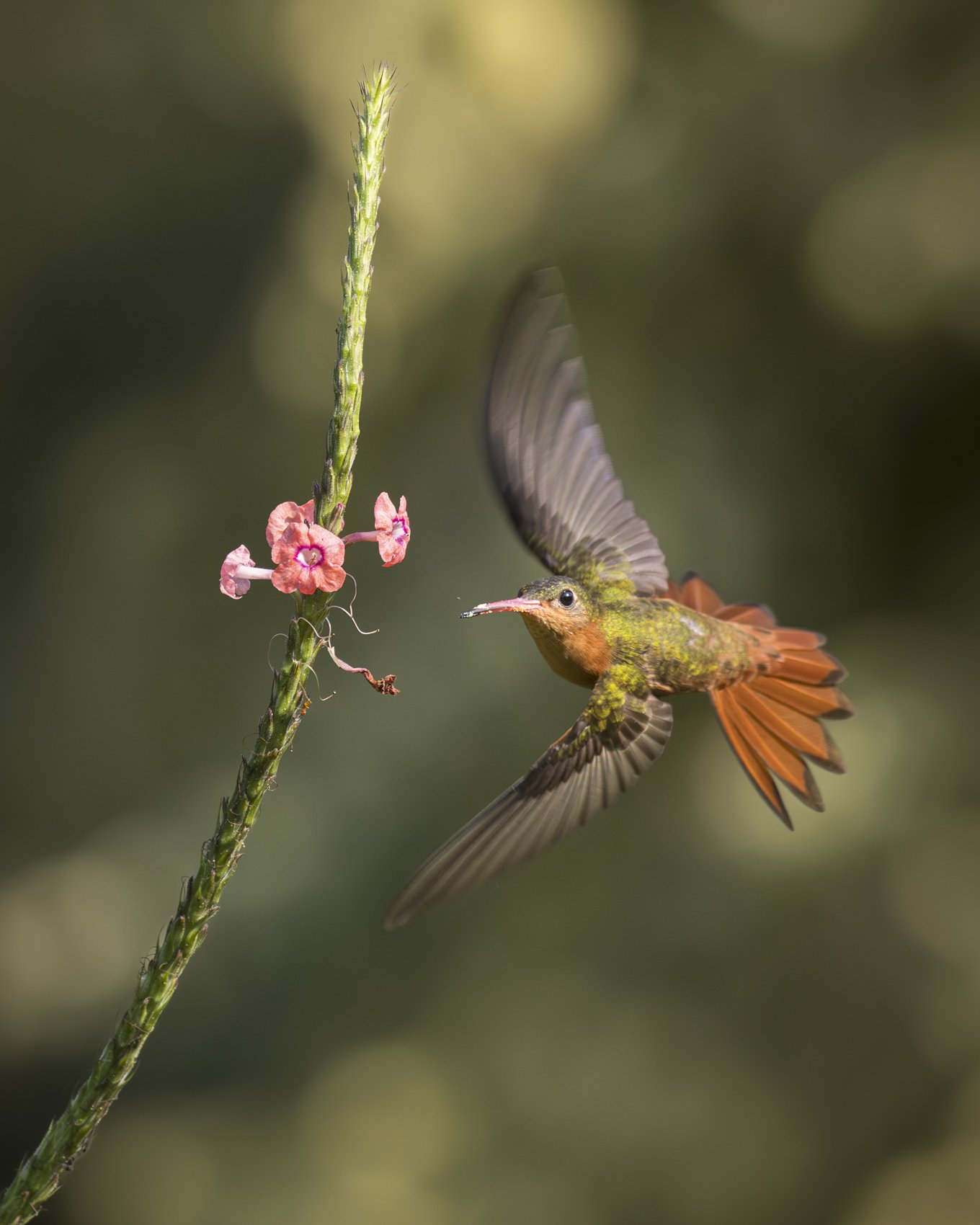
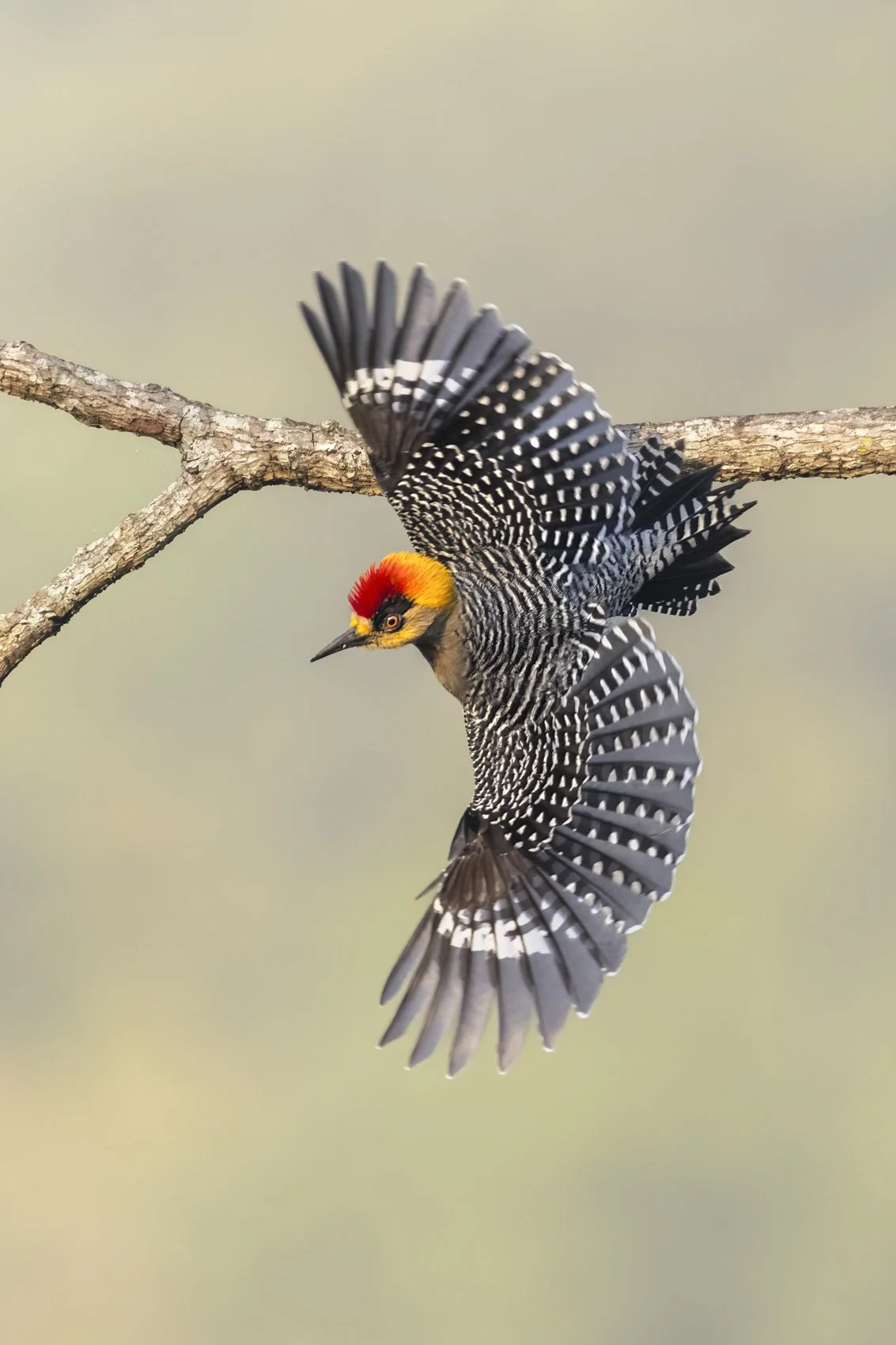
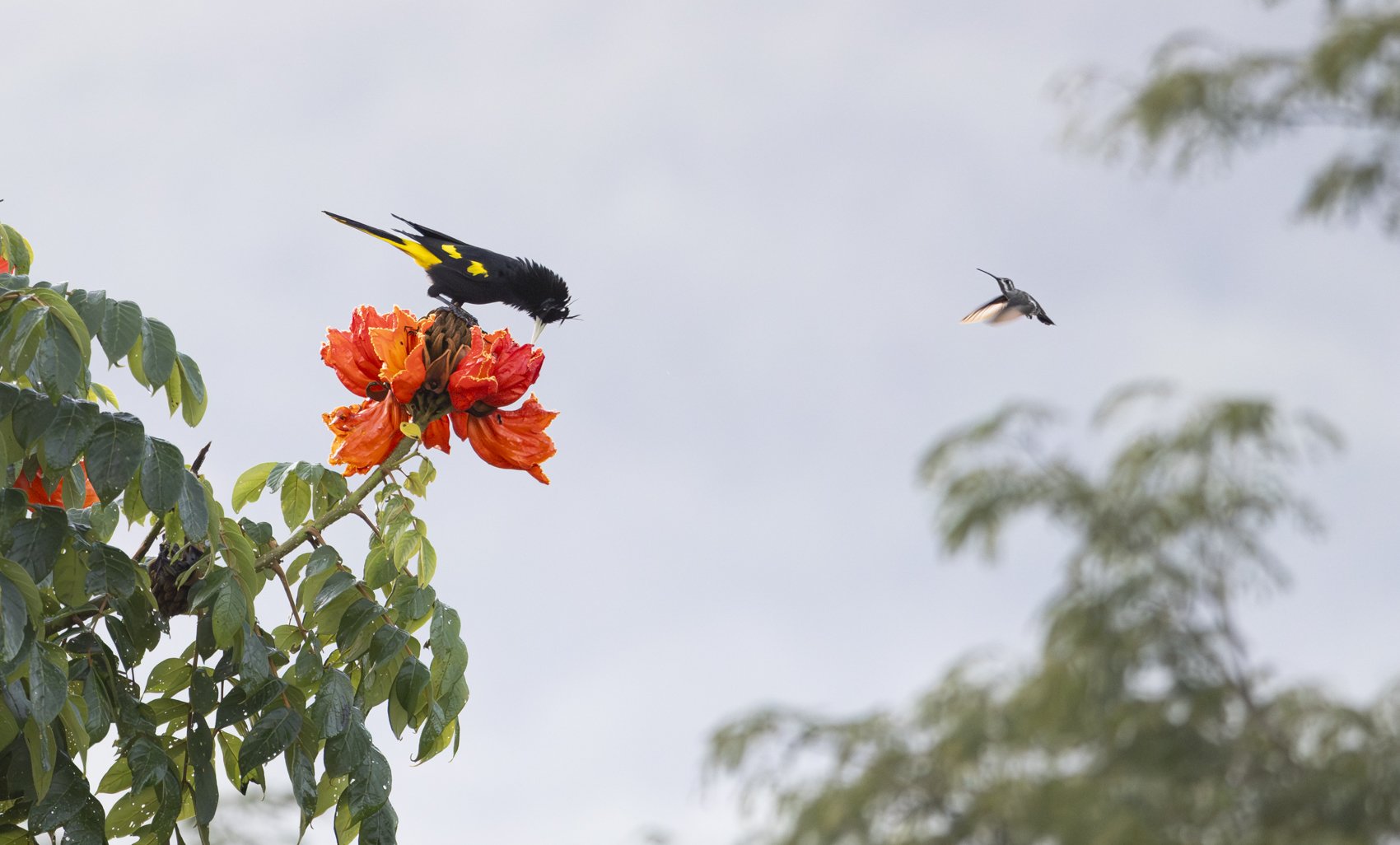
At our lodge, a large variety of beautiful bird species flock to the feeders in the morning. Regular visitors include Golden-cheeked Woodpeckers, Military Macaw, Stripe-headed Sparrow, Yellow-winged Cacique, Streak-backed Oriole, Yellow Grosbeak, Cinnamon-bellied Saltator, White-throated Thrush, Blue Mockingbird, Black-throated Magpie-Jay, White-winged Dove, and Russet-crowned Motmot. Several hummingbird species also visit feeders here. Elsewhere on the property, we may see Cattle Egrets, Black-belled Whistling Ducks, and more. In addition to the feeder birds, we’ll visit other habitat areas in the region, including a flower garden where hummingbirds can be seen and photographed visiting the beautiful flowers. Possible species here include Cinnamon Hummingbird, Ruby-throated Hummingbird, Golden-crowned Emerald, Plain-capped Starthroat, Broad-billed Hummingbird, and more. We’ll also be sure to spend more time photographing nesting Military Macaws in the beautiful pine forest habitat.
-
We’ll have one final opportunity in the morning for a little bit more bird photography, before heading back to Puerto Vallarta (about a 1.5 hour drive). We’ll arrive at the airport by 1pm or earlier, in time to catch some late afternoon and evening flights, but an additional night of accommodation can be arranged (by request) for those wishing to fly out the following morning.
Limited spaces available: register to book your spot!
Additional FAQs
-
While we are likely to encounter a multitude of different bird species, and your guide will be able to identify them all, the focus and design of this trip is very much on the best bird photography opportunities the region has to offer, rather than “listing” / trying to encounter as many species as possible. This tour is designed primarily for wildlife and bird photography enthusiasts of all experience levels who want exceptional access, time in the field, and (optional) guidance to create high-quality images. However, casual nature lovers who like to take their time in nature are also likely to enjoy!
-
The trip is moderately active. While many of the photography activities on this trip won’t require extensive physical activity, there will also be places where there will be short hikes (up to 2.5 kilometers / 1.5 miles round-trip) on hilly and uneven terrain. We will also have “wet landings” by boat during this trip, where you will need to disembark from and board a boat in shallow (eg. knee-deep) water. The island portion of this trip in particular requires a reasonable level of mobility and comfort with camping conditions. During our time with the seabirds, we will also be located far away from emergency services. Travelers with health concerns should take this into account when considering whether to join this trip.
-
The island stay is remote and immersive. Expect basic camping conditions, but with some important things taken care of for you (such as meals). This is a key part of the experience and allows unparalleled access to seabird colonies. Tents will be provided, but you should bring your own sleeping mat and sleeping bag or sheets. The campsite is undercover and protected from the elements, and we will have a chef on site who will prepare all of our meals. There is no running water available, but there are toilets on site that are flushed manually with water buckets. Showers while camping are similar- there is no running water, but there are buckets of water that you can use to rinse. There is sufficient electricity available for charging all of your devices, as well as some Wi-Fi provided via satellite.
-
The workshop fee is based on double occupancy and includes all accommodation, entry fees into reserves, transportation during the tour (including boat excursions), full time guiding and instruction, and more. Single supplement (non-shared hotel room) is available for $790 CAD or $580 USD. All meals while we are camping on the offshore island are included, as are breakfasts on the last 3 nights. The other meals are not included in the tour price, but we will visit restaurants where you can purchase the food of your choice. Flights to/from Puerto Vallarta, travel insurance, and tips are also not included.
-
The group is limited to just 5 participants, ensuring a highly personalized experience, lots of space at photography locations, and individual attention.
-
The average temperature on the coast in this region at this time of year is a low of 16 degrees Celsius (61 Fahrenheit), and a high of 28 degrees Celsius (82 Fahrenheit). However, it is definietly possible for temperatures to be a bit warmer or cooler than these averages. In the Cabo Correintes region (mountains to the south of Puerto Vallarta), the average low is 9 degrees Celsius (48 Fahrenheit), and the average high is 29 degrees Celsius (84 Fahrenheit). This region is typically quite dry at this time of year, but it is always a good idea to be prepared for rainfall. Pack a variety of clothes for a variety of expected conditions! The sun is strong, so be sure to pack sunscreen and sunglasses as well.
-
All skill levels are welcome, whether you’re an advanced photographer or just starting to learn. Optional guidance will be available to help you improve your technique and make the most of each opportunity.
-
There are several boat excursions during this trip. During our time in San Blas, we will go for motorized river canoe excursions. These waters are calm, so motion is minimal. In order to get to the seabird island offshore, we will have a longer journey of approximately 3 hours (each way) on a small speedboat. The boat travel could become longer depending on weather conditions, or if there are wildlife sightings on the way. Conditions are often very manageable at this time of year, but weather is impossible to predict far in advance. If you are prone to seasickness, it’s recommended to bring appropriate medication. There will also be (optional) boat outings from our base on the island for those who wish to do some more photography from the boat, or go snorkeling. Feel free to reach out if you have any questions or concerns about the boat travel during this trip.
-
For much of the trip (7 of 10 nights), we’ll be staying in comfortable hotels/lodges. During the seabird island portion, we will be camping in a remote but beautiful setting. Tents will be provided, but you should bring your own sleeping mat and sleeping bag or sheets. The campsite is undercover and protected from the elements, and we will have a chef on site who will prepare all of our meals. There is no running water available, but there are toilets on site that are flushed manually with water buckets. Showers while camping are similar- there is no running water, but there are buckets of water that you can use to rinse. There is sufficient electricity available for charging all of your devices, as well as some Wi-Fi provided via satellite.
-
A telephoto lens with a focal length of 300mm or greater is recommended for this trip. However, we will also have ample opportunity for closeup encounters with seabirds, where a wide and mid range lens will be incredibly valuable, such as a 24-105mm, or similar.
I typically travel here with three lenses to cover all scenarios: my 14mm, 24-105mm and 100-500mm.
As some of our time will be spent walking on trails, a portable setup that you are able to handhold is may be a good idea (for example, a DSLR or mirrorless camera with a lightweight telephoto lens such as a 100-400mm, 200-500mm, 180-600mm, etc). A tripod is also recommended (though not required), particularly if you want to try low-light or night photography. A rain cover is also recommended; this can be used not only to protect from rain, but also in the event of any sea spray or blowing sand.
-
Yes! This is one of the highlights of the trip. The seabird island in particular offers exceptional flight photography opportunities, often at close range and in excellent light.
-
You’ll photograph a wide range of bird species! On the island, we are most likely to encounter nesting Magnificent Frigatebirds, Blue-footed Boobies, Cocos Boobies, White-tailed Tropicbirds, Heermann’s Gulls, and Brown Pelicans. However, other species are occasionally present, such as Red-footed Boobies and Peregrine Falcons. Also present on the island are large numbers of Western Spiny-tailed Iguanas and other lizards. Marine life such as dolphins, Humpback Whales, whale sharks, and a variety of tropical fish may also be encountered. In San Blas, we may get some photo opportunities with wetland and other coastal species. Egrets, herons (including the unique Boat-billed Heron), ibis, shorebirds, kingfishers, Anhinga, and more, are all common here. With some luck, we may also encounter the beautiful Roseate Spoonbill. At our lodge in the hills south of Puerto Vallarta, a large variety of beautiful bird species flock to the feeders in the morning. Regular visitors include Golden-cheeked Woodpeckers, Military Macaw, Stripe-headed Sparrow, Yellow-winged Cacique, Streak-backed Oriole, Yellow Grosbeak, Cinnamon-bellied Saltator, White-throated Thrush, Blue Mockingbird, Black-throated Magpie-Jay, White-winged Dove, and Russet-crowned Motmot. Several hummingbird species also visit feeders here. Elsewhere on the property, we may see Cattle Egrets, Black-belled Whistling Ducks, and more. In addition to the feeder birds, we’ll visit other habitat areas in the region, including a flower garden where hummingbirds can be seen and photographed visiting the beautiful flowers. Possible species here include Cinnamon Hummingbird, Ruby-throated Hummingbird, Golden-crowned Emerald, Plain-capped Starthroat, Broad-billed Hummingbird, and more. We’ll also be sure to spend lots of time photographing nesting Military Macaws in the beautiful pine forest habitat.
-
We’ll be eating at many different restaurants during the trip. There will be a variety of options on the menu, though Mexican food is always the most common (other options will be available, however). While camping on the seabird island, we’ll be accompanied by a cook who will prepare traditional home-cooked-style Mexican meals (basic, but excellent). All meals while we are camping on the offshore island are included in the trip cost, as are breakfasts on the last 3 nights. The other meals are not included in the tour price, but we will visit restaurants where you can select and purchase the food of your choice.
-
Yes! We will reach out to you to find out your dietary preferences in advance of the trip.
-
As much or as little as you want! The group size is designed to allow personalized attention. Guidance will be available throughout the trip, including help with camera settings, composition, and strategy based on conditions and species behavior.
-
Wonderful snorkeling opportunities may be available during the island stay, but participation is completely optional.
-
You should arrive in Puerto Vallarta, Mexico, on the first day of the tour (or earlier if desired). We’ll meet at our hotel in Puerto Vallarta the evening of the first day for the trip introduction and dinner. We’ll return to Puerto Vallarta by early afternoon on the final day, though an additional night of accommodation can be arranged if needed.
-
This one-of-a-kind itinerary combines rare multi-day access to a seabird colony, diverse ecosystems, and a small group size of just five participants. The combination of access, time, and photographic focus makes it a truly exceptional experience.
-
Many of the birds and wildlife in the places we visit have little to no fear of people, particularly nesting seabirds- they could be just a few feet away. Other species may require a slightly longer viewing distance. Photography ethics are incredibly important to us, and we will aim to have minimal disturbance to the birds and wildlife that we encounter, and the places we visit.
-
Single supplement (non-shared hotel room) is available for $790 CAD or $580 USD. If there is another person on the tour from the same gender who wishes to share a room, we can pair you up (if you both agree you are a good match), to avoid paying the single supplement.
-
During this trip, we will stay at 4 different accommodations in the Nayarit and Jalisco provinces of Mexico. See the itinerary section above for more details!
-
We aim to have a fun, positive, easy-going and non-competitive group atmosphere! While the goals of the workshop are to achieve fantastic photos and practice and develop our photography technique, we want to make every moment enjoyable, both in and out of the field.
-
A booking deposit of $600 USD or $800 CAD is required to book. The deposit is fully refundable minus a 3.5% processing fee for 20 days after you book, or up until August 1 2026 (whichever comes first). The remaining balance is due by October 10 2026. For cancellation 71-100 days before the trip, a 50% refund will be issued. Refunds are not available for cancellation 70 days or less prior to trip departure.
-
Most of the accommodations we utilize during this trip are remote, one-of-a-kind, and offer specific photographic opportunities not available elsewhere. So, alternate accommodations are not possible for this trip.
-
Certain immunizations are recommended for travel to Mexico. Please consult a travel clinic or other qualified travel health expert in advance of this trip.
-
Smoking is prohibited during group workshop activities.